
Exploring the Trans Canada Trail in Whistler, BC

Wandering through a rich and varied history
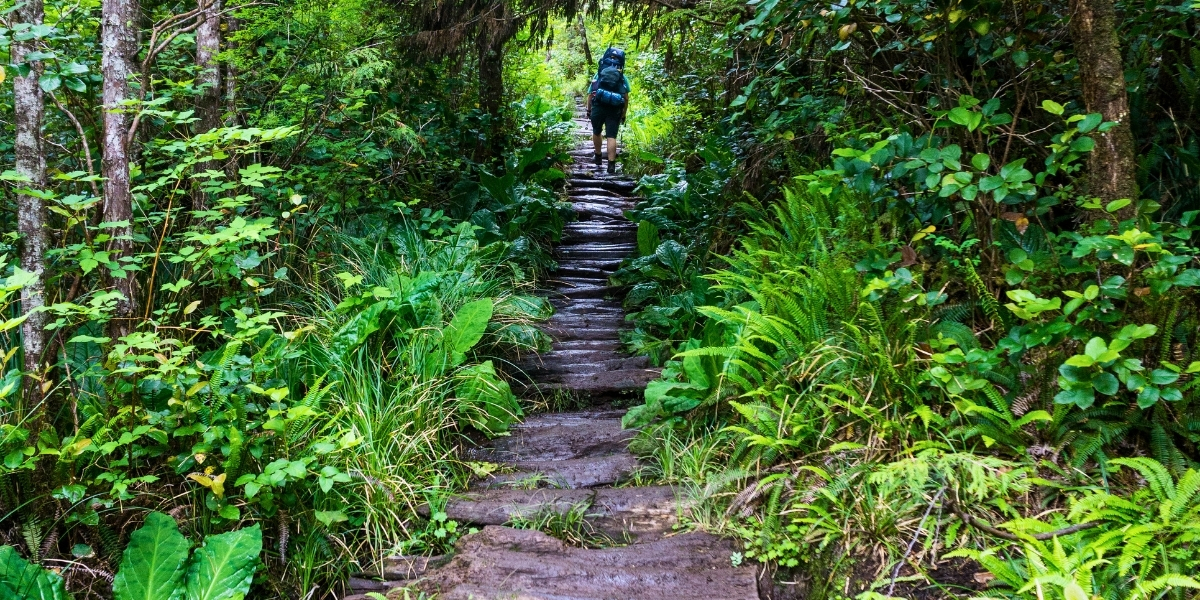
The Trans Canada Trail spans nearly 30,000 kilometres from coast to coast to coast. It runs through Whistler, BC – the largest ski resort and mountain bike park in North America — as the Sea to Sky Trail. Here it is bike, walk and hike-able.
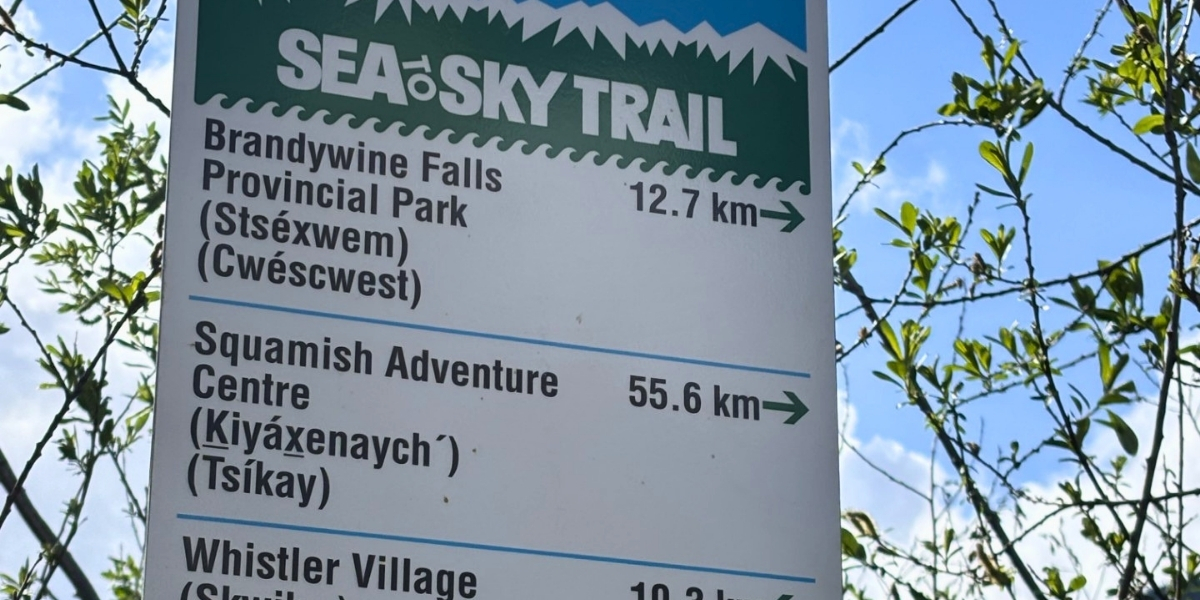
Whistler sits on the shared territory of the Lil’wat Nation and Squamish Nation, and sections of what is now known as the Sea to Sky Trail were used as trade and travel routes since time immemorial. Trans Canada Trail and Sea to Sky Trail signage along the trail is presented tri-lingually to reflect this history and culture.
We spoke with Bronwyn Preece of the Whistler Museum & Archives Society to learn more about the area’s fascinating history.
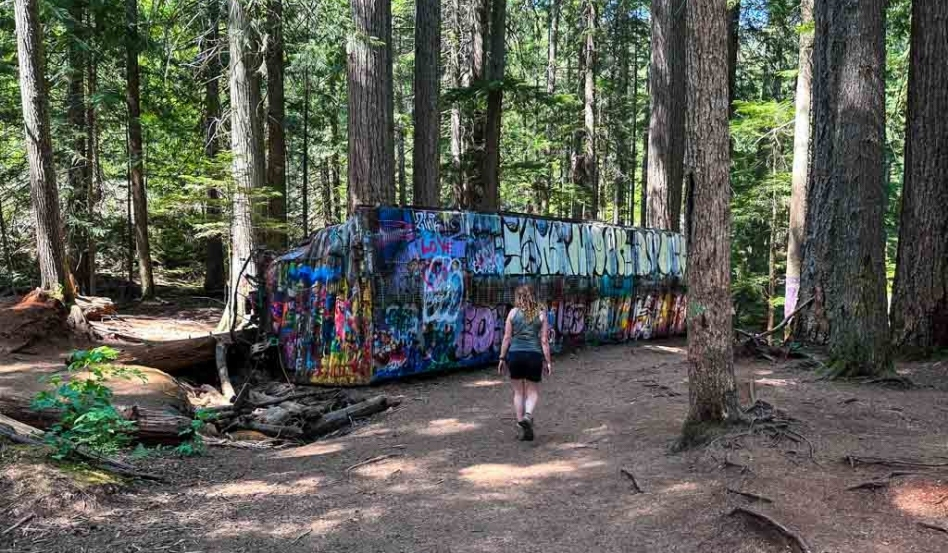
Photo credit: Taryn Eyton
A rich history on the Old Pemberton Trail
Originally known as the Lillooet-Burrard Inlet Trail, the Old Pemberton Trail dates back to 1862. Its southern end was in Squamish, and it was intended to reach the prospecting trails in the Interior of BC. The trail from Squamish to Lillooet was completed in 1877. Today, the Old Pemberton Trail is part of the Sea to Sky Trail/Trans Canada Trail.
The shaping of a ski town, from the 1960s to the Winter Olympics
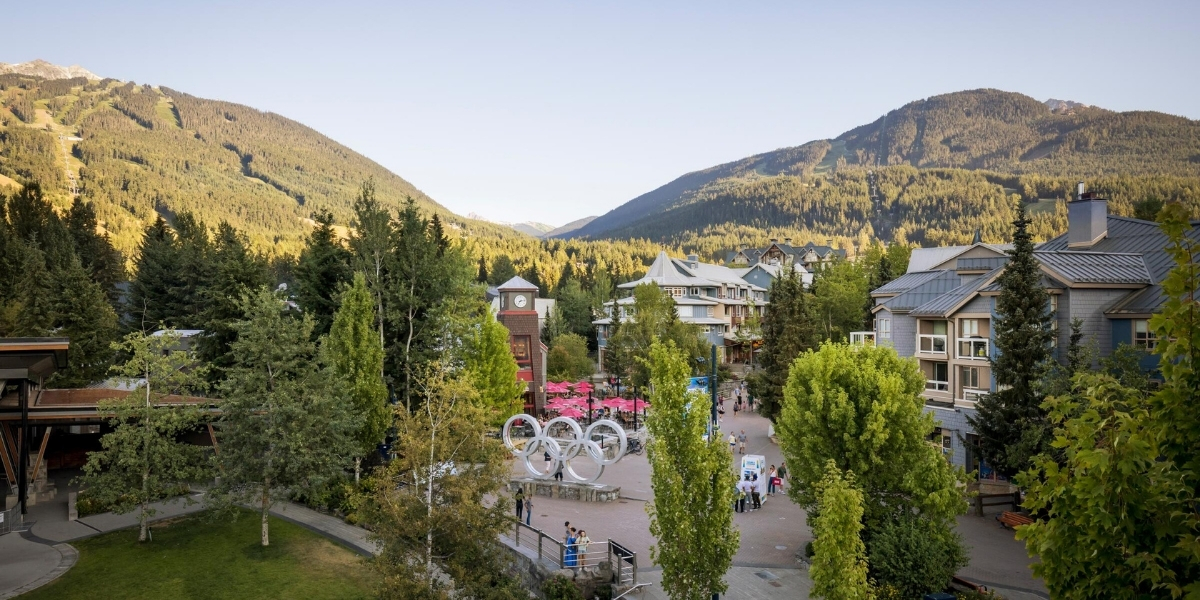
Though it may seem difficult to imagine the region without it, skiing first opened on Whistler Mountain in 1965/6. Whistler mountain’s ski operations remained based solely from Creekside, on the south end of town, expanding to the newly built Village in 1980. What is today the site of Whistler Village – with the Trail running right through town – was originally a garbage dump.
Blackcomb Mountain opened in 1980, and 30 years later, in 2010, Whistler hosted the Winter Olympics. The Whistler Museum & Archives houses a lot of Olympic and ski-related artefacts and memorabilia, including the Olympic torch and the Paralympic cauldron and is a mere few steps off of the Trans Canada Trail/Sea to Sky Trail.
Parkhurst ghost town
Starting at the northern end of Whistler, the Trans Canada Trail passes above Green Lake, right near Parkhurst ghost town. Detour off the trail for a short walk to visit the site, where you’ll find dilapidated cabins, old vehicles, woodstoves and other paraphernalia from area’s logging history. The Parkhurst Mill was built from 1926 to 1930. The mill was destroyed by fire in 1938. It was rebuilt and operated until 1956.
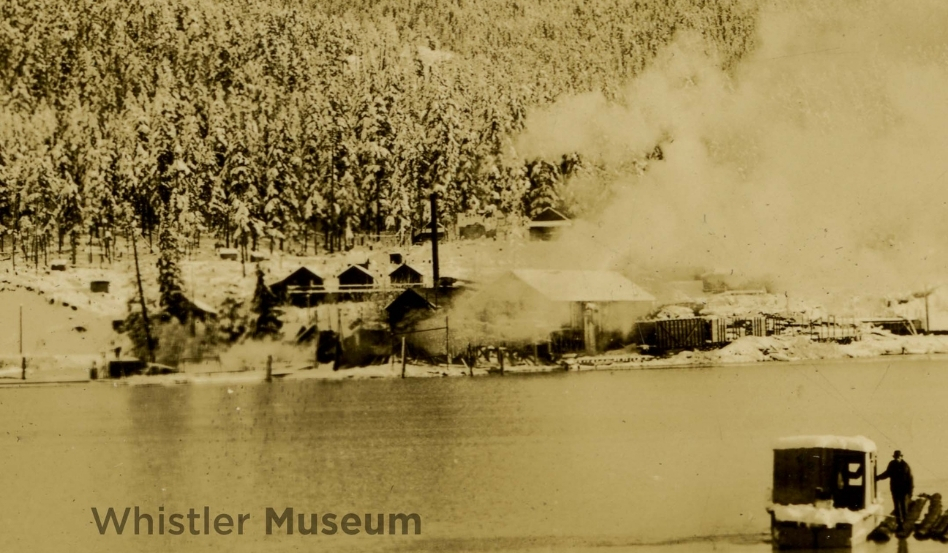
Photo credit: Taryn Eyton
Lost Lake
Continuing along the trail, one emerges onto the shore of Lost Lake. Every July, the Lost Lake area is the Annual Great Western Toad migration. Two trail underpasses were installed to keep the Western Toad safe as it travels across trails and roads.
Through town one skirts the Sea to Sky Highway at points – recognized as being one of the most scenic and iconic drives in the world through the Coast Mountains.
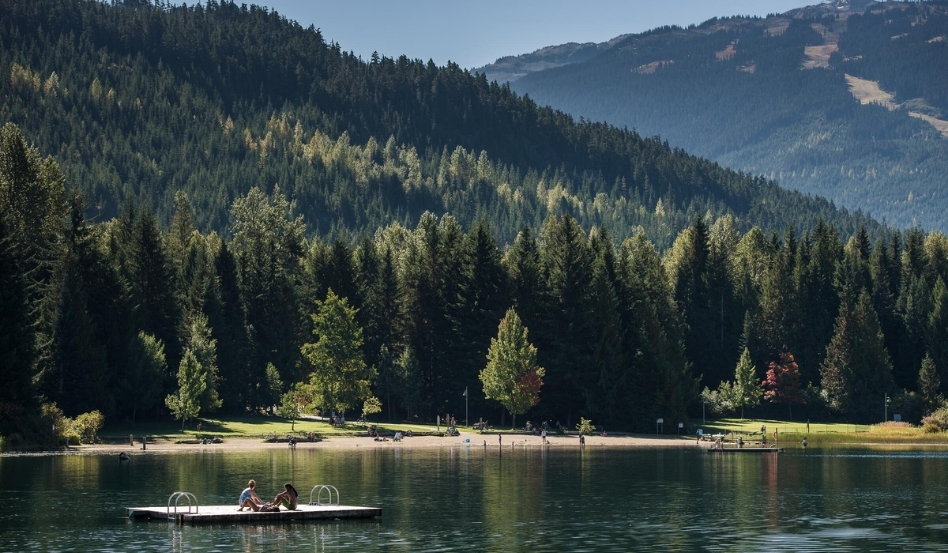
Photo credit: Destination BC, Blake Jorgenson
Function Junction and Cheakamus Village
South of Whistler and along the Trail, Function Junction is where one of the earliest prospectors, John Millar, settled. Millar Creek is named after him. Today, the area includes Function Junction – first known as Mile 34/ ½ Mile, noting its distance from Squamish along the rail line — and is the present industrial hub of Whistler. Cheakamus Village is also located here, originally built to provide athlete housing during the 2010 Olympics: now, a vibrant neighbourhood.
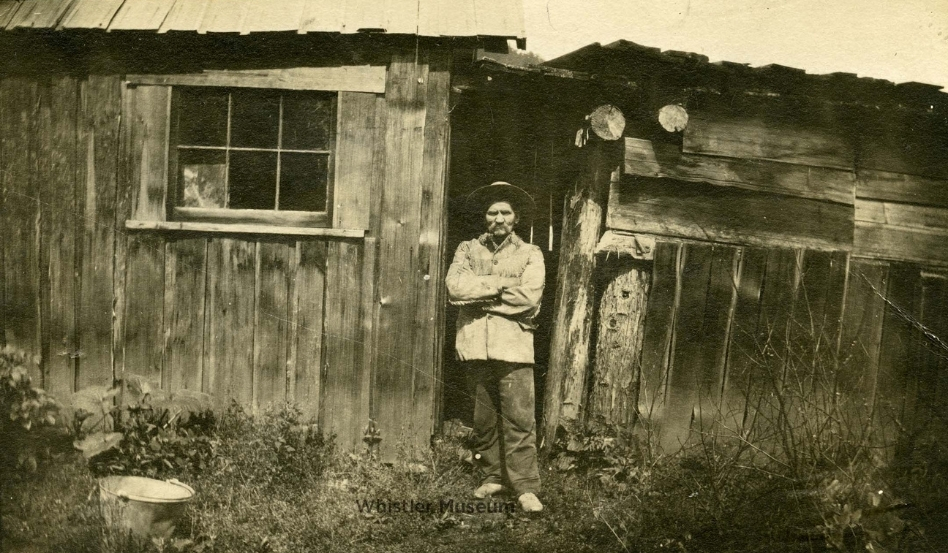
Photo credit: Whistler Museum
Trainwreck
Take a quick detour off the trail, after passing through Cheakamus Village, to visit the Trainwreck. Cross a suspension bridge to discover a collection of graffiti-painted, rusted railway cars. Sixty years ago, following a derailment, the cars, which were wedged between tight rock, were hauled and deposited here to free the track. Today, it is one of Whistler’s premier attractions.
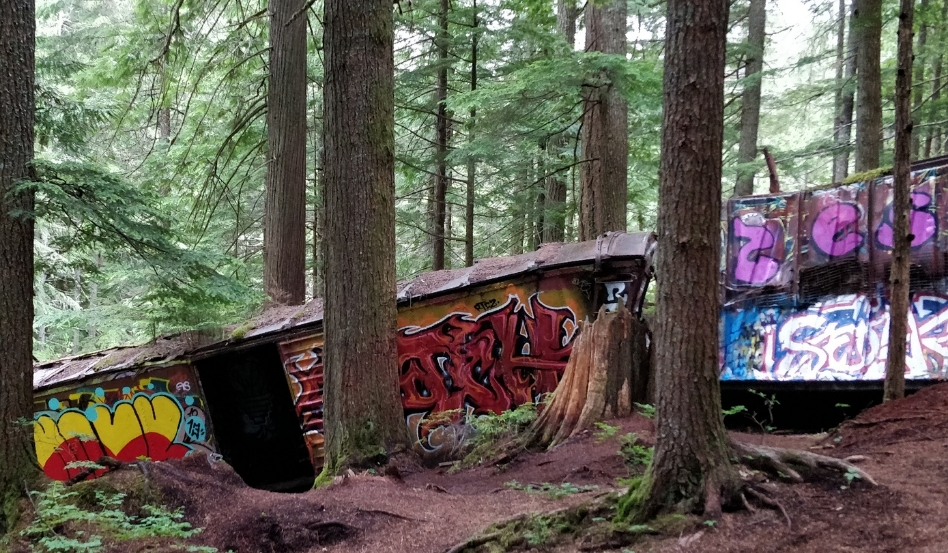
Photo credit: Ruth Hartnup, CC BY 2.0
More fun facts and attractions in and around Whistler, on or near the Trail
• Whistler Valley was first developed as a fishing tourist destination, with many lodges being built around Alta Lake. Rainbow Lodge was the first, opening in 1915.
• Whistler Mountain was previously named “London Mountain.” It is named Whistler after the whistling sound of marmots in the alpine.
Our sincere thanks go out to the Whistler Museum & Archives for their assistance on this story.. Be sure to visit the museum – just off the Trail – for fascinating historical exhibits and artefacts, and a glimpse of life in the area in times past.
Explore the Sea to Sky Trail on our interactive map.
About Trans Canada Trail
Stretching nearly 30,000 kilometres across every province and territory, the Trans Canada Trail is cared for locally by trail and community groups. As a charity, Trans Canada Trail advocates for and stewards this nationwide system.
Trans Canada Trail supports community-led trail projects through the Trail Catalyst Fund and shares reliable trail knowledge through the Centre for Trail Excellence.
Main photo credit: Destination BC, Justa Jeskova