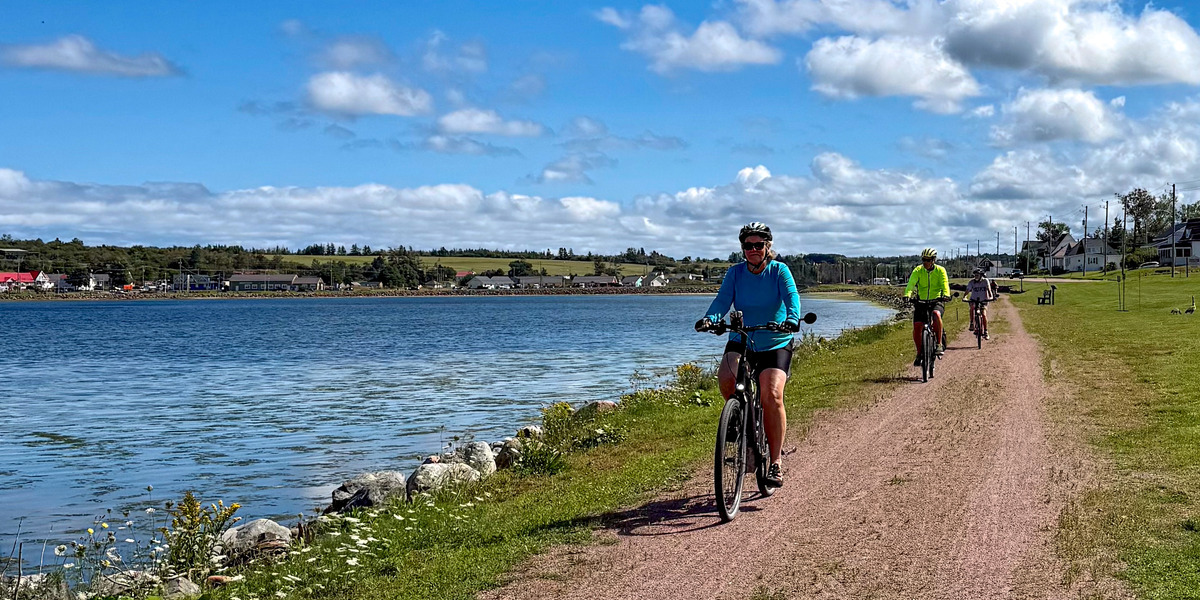

Connecting People, Places and Flavours on the Trans Canada Trail

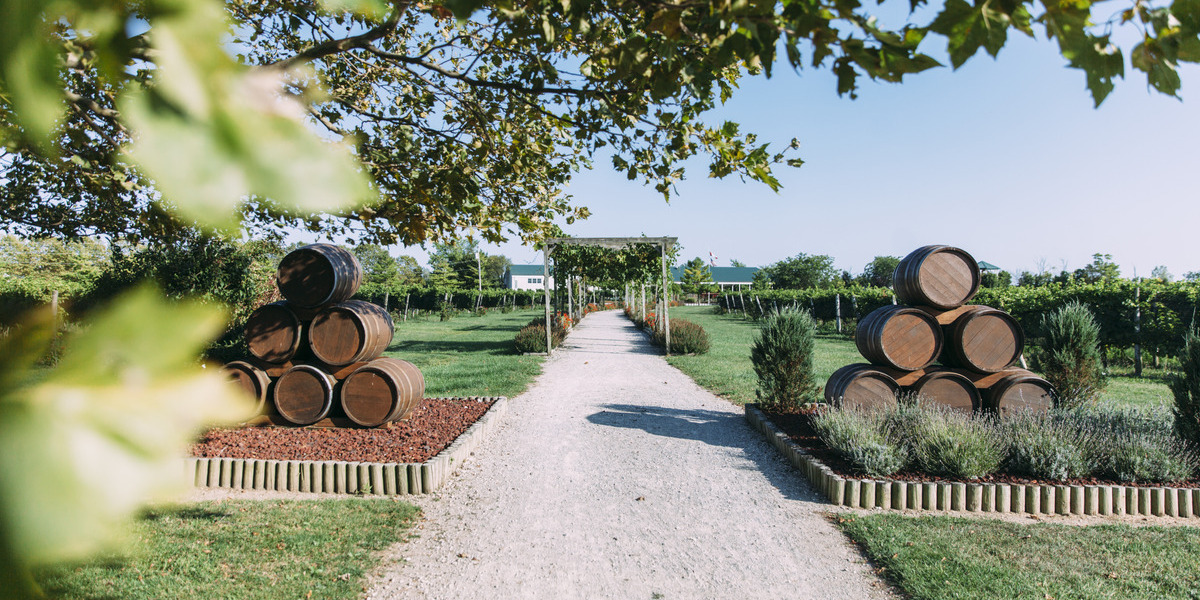
Chances are good that you’ve heard the terms “food tourism,” “culinary tourism” or “agritourism” recently. But what does it mean, exactly, and why are trails and food such a great mix?
According to the Culinary Tourism Alliance of Canada, food tourism is “Any travel experience where a person learns about or consumes food and/or drink that reflects the history, heritage, and culture of a place.”
For some, culinary tourism can be as elaborate as planning international trips to bucket-list restaurants; for others, it can be as simple as combining a bike ride on their local trail with a stop at the farmers’ market to pick up picnic ingredients.
But what does this have to do with trails, you may ask? Well, we here at Trans Canada Trail believe that there is a natural intersection between trail tourism and culinary tourism, which is why, over the past several months, we’ve been working closely with the Culinary Tourism Alliance via a memorandum of understanding (MOU). We’ve partnered to work together to strengthen destinations through trail and culinary tourism, agritourism, sustainable travel and community-based experiences.
Two complementary ways to connect with place
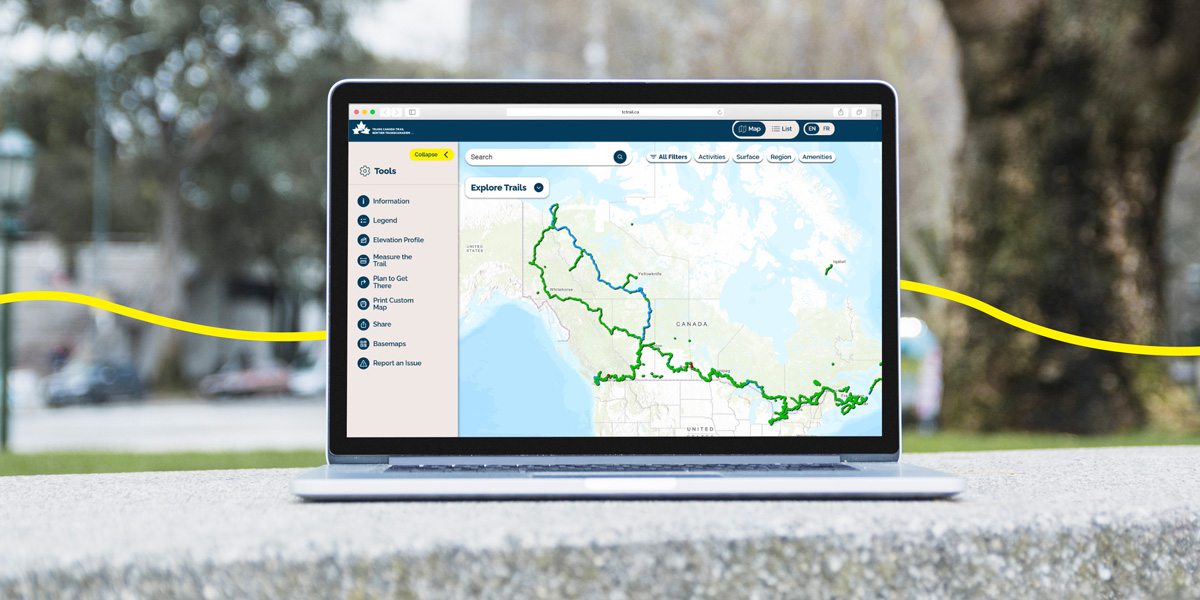
With the world’s longest recreational trail stretching from coast to coast to coast, it’s safe to say that trails bring visitors right into a wide range of communities across the country; and into public spaces.
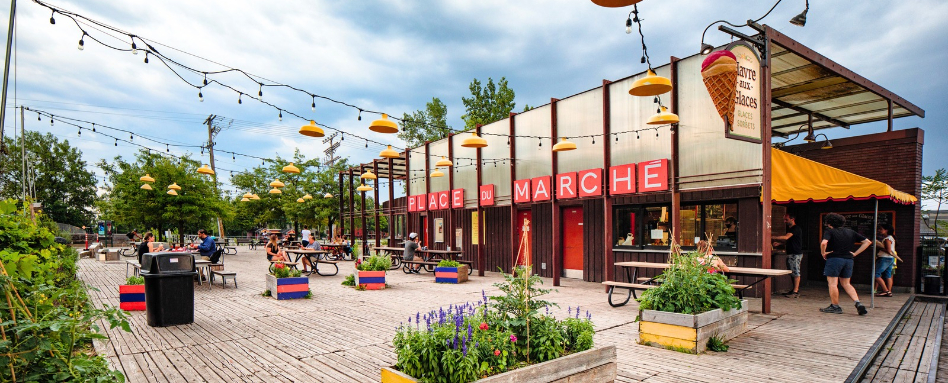
On some sections of the Trail, where it winds through urban centres like Vancouver or Montreal, visitors can stop at cafés or restaurants along the Trail to people-watch and sample the local fare.
In others, like at the Market Trail in the Waterloo region or along the Véloroute Gourmande in Quebec’s Eastern Townships, trail users can plan walking or cycling trips to connect with markets, farms and food businesses, often meeting the producers directly.
And in both urban and rural environments, experiencing local food culture and understanding agricultural industries can help enrich visitors’ experiences and sense of place.

Photo credit: Travel Manitoba
Economic benefits of trail tourism
In a recent study from Destination Canada, visitors cited nature and culinary experiences as within their top 10 priorities when choosing a holiday or vacation. Those who plan trail getaways will often seek out somewhere to eat, shop or spend the night. Travellers drawn by a destination’s food scene will often opt to spend a full day or multiple days there, and will incorporate trail use into their visit, heading out for a walk or bike ride along the Trail.
According to the Benefits of Connecting Canadians study, Trail users spend an estimated $13 billion on goods, services and accommodations along the Trail annually.
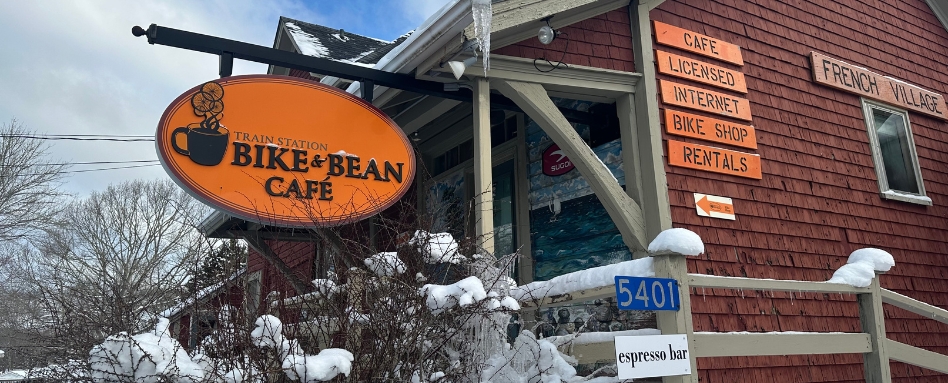
Photo credit: Culinary Tourism Alliance
A best practices guide, workshops and coaching sessions
Through our partnership with the Culinary Tourism Alliance, we’ve developed a best practices guide that outlines the hows and the whys of trail and culinary tourism. The guide features case studies of successful partnerships that were implemented, both on and off the Trans Canada Trail. It also offers practical advice for destinations looking to develop or expand trail and culinary tourism offerings, partnerships, itineraries and more.
In the spring of 2026, the Culinary Tourism Alliance presented the best practices guide at two different locations in Nova Scotia. The sessions included a mix of attendees and representatives from the culinary, trail, municipal, and tourism sectors, and local business. The workshops allowed the various sectors to mingle, ask each other questions to better understand how to support one another and discuss challenges in the field.
These resources help destinations, trail groups and visitors develop rich trail and culinary tourism experiences that create strong connections: connections to place, between visitors and local businesses, and between Canada’s varied agricultural industries and rich culinary scene.

Photo credit: Culinary Tourism Alliance
The Trans Canada Trail is the longest multi-use trail system in the world and it is always growing. It reaches every province and territory, and connects all three of Canada’s coastlines. Each section of the Trans Canada Trail is managed locally and supports different activities and community needs.
The Culinary Tourism Alliance is a national, membership-based not-for-profit organization. The Alliance works with member communities to grow food tourism in their destinations through the CTA’s destination development services, consumer marketing channels, and their various programs and events.
Feature photo credit: Tourism Windsor Essex Pelee Island