
Jacqueline’s Trans Canada Trail: Peterborough: Caves, Hikes and Canoes

The hardest part of the trip was deciding what to do first. There was canoeing, caving, hiking and swimming. We had a summer weekend to explore and enjoy the area around Peterborough, Ontario. We started with an easy hike, following the Trans Canada Trail through the city and along the banks of the Otonabe River.
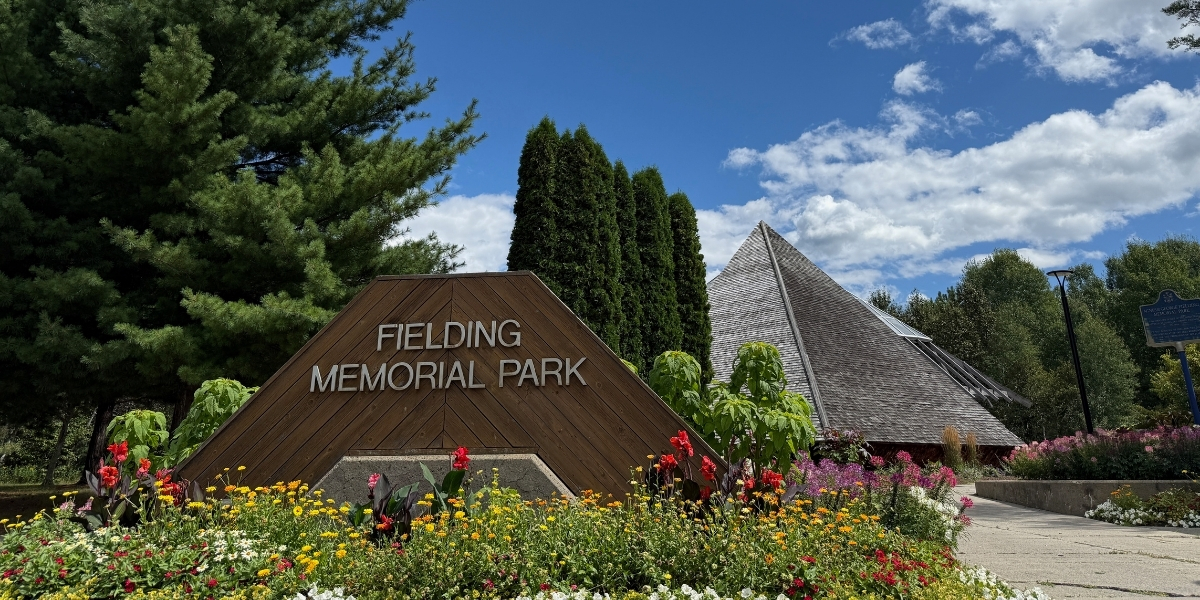
Sunshine sprinkled over the land and water. After about an hour on the Trail, we paused in a park for ice cream and to gawk at a volleyball tournament. Then it was onwards to the Canadian Canoe Museum. After admiring some of the historic birchbark canoes, we relaxed on the café’s patio with tea and butter tarts. The patio overlooked the river. Mallard ducks bobbed and dabbled in the water. Three canoes glided along the river, reminding us that soon, we too would be on the water.
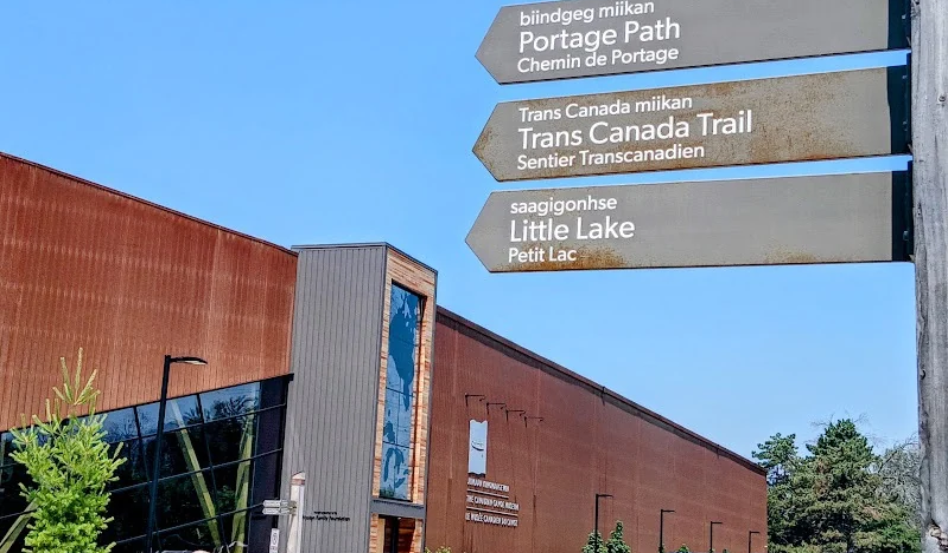
Photo credit: Jacqueline Scott
Then we sauntered up to the Peterborough Lift Lock. This mechanical marvel allows boats to travel up and down the Trent-Severn Waterway. It is a National Historic Site of Canada. Call me a daydreamer, but I’ve now added canoeing the Waterway to my endless bucket list. It should take about a month to paddle the 386 kilometres.
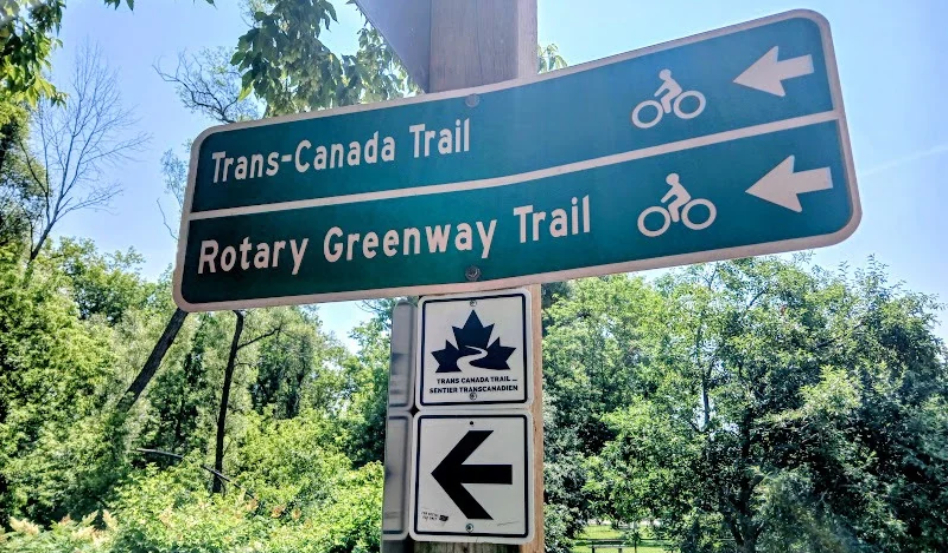
Photo credit: Jacqueline Scott
Canoeing a sleepy river
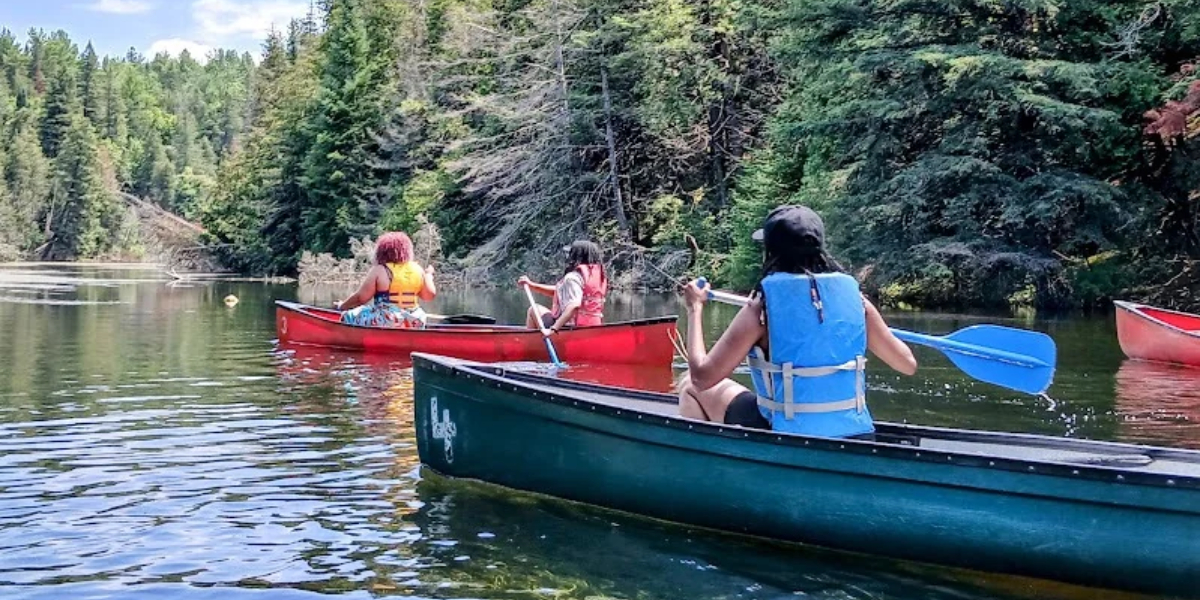
Our next stop was Warsaw Caves Conservation Area for our camping weekend. There were some 60 of us on the camping and learn-to canoe workshop. We put up the tents, unpacked the gear, and settled in for an evening of dinner and stories around the campfire. Later, we roasted marshmallows and made sweet and spicy popcorn. Although clouds obscured the stars, our mood was as bright as the moonlight.
The next morning, we were on the water, paddling the canoes along the Indian River. Turtles basked on logs on the riverbanks. Dragonflies flitted about. The original name for the Peterborough area is Nogojiwanong, an Ojibwe term meaning “the place at the end of the rapids.” There are Indigenous communities in the area including Hiawatha First Nations and Curve Lake First Nations. The area is covered by Treaty 20 and the William Treaties. At last, the waterfalls and rapids are now mostly tamed by dams and locks to provide hydroelectricity for the city.
Sunlight danced in the ripples created by our paddles. The river was gentle. I wondered if Tom Smith canoed along the rivers and lakes around Peterborough. Susanna Moodie did so many times. She mentioned Smith in Roughing it in the bush, or life in Canada. The book is a classic memoir of pioneer life in the 1850s in Canada. Smith had escaped from slavery in the United States. He settled in Peterborough and became a successful barber and laundry specialist. He successfully wooed an unnamed Irish woman. Poor old Tom Smith! He wed in the morning and died the same evening. Whodunit? A mob of his neighbours. My trips along the Trans Canada Trail — hiking, cycling, canoeing or cross-country skiing — are always anchored by the search for Black history in the areas surrounding the Trail. The findings can be surprising.
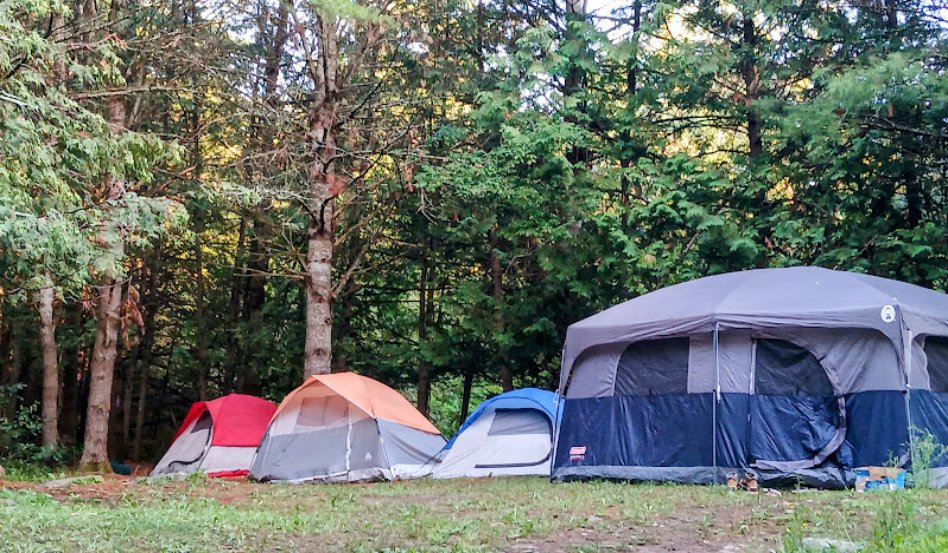
Photo credit: Jacqueline Scott
Caving is not for me
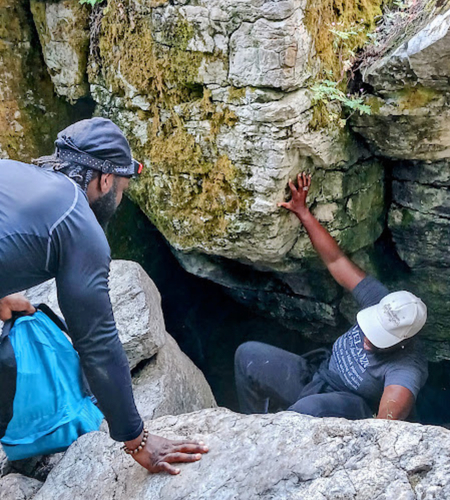
I discovered that I did not like caving on this trip. It was something about squeezing and twisting yourself through a narrow crevice, to enter a series of dark, dank and damp voids. The caves are leftovers from the last ice age and were formed by water eroding the soft limestone bedrock. Most of the group liked the spelunking adventure. So did the gaggle of local children who happily scampered in and out the slippery caves. Their parents walked above ground on the roof of the caves, occasionally calling out or shining a flashlight into the caves so that they knew which way to go.
After the caves we drove over to the swimming beach on the Indian River. The water was refreshing in the summer heat. For the rest of the day, it was lay on the beach and then swim when it got too hot. Floating on my back, my locks streaming behind me, I felt like a mermaid or water spirit, at ease in and on the river. Perfect for daydreaming. Now, who could I persuade to come with me on that long canoe trip along the Trent-Severn Waterway?
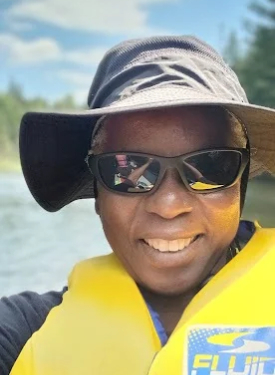
Jacqueline L. Scott is a scholar and writer on race and nature. She has a PhD from the University of Toronto. Her thesis is called Being Black outdoors: The perception of the wilderness in the Canadian imagination.
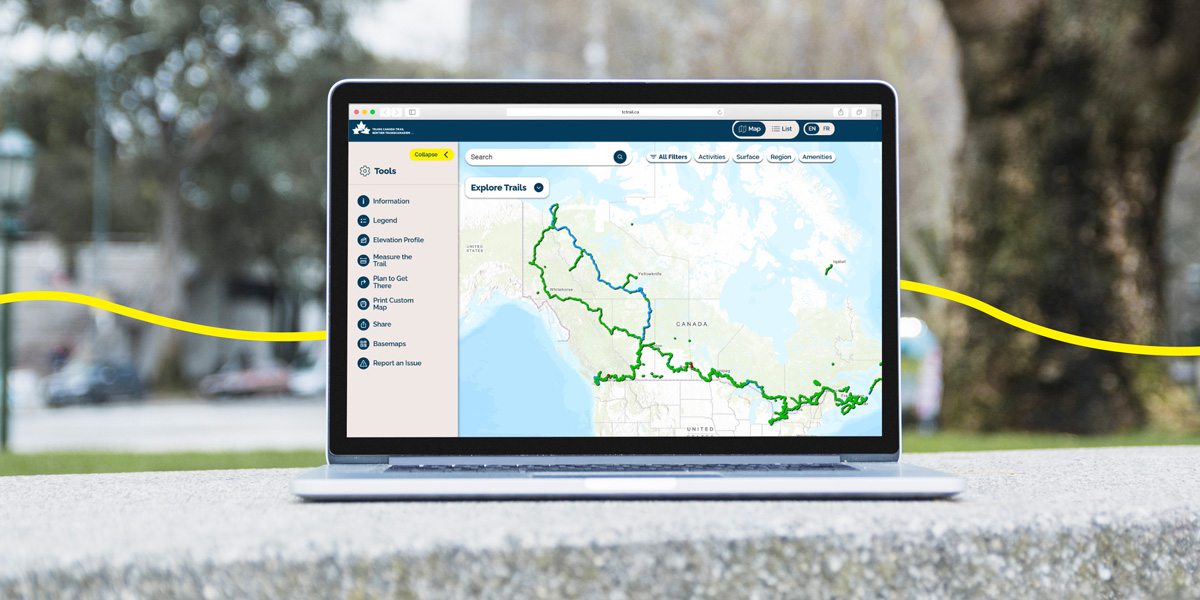
Explore Peterborough on our interactive map.
Subscribe to Trail Talk to find more Trail adventures from across Canada.
Feature photo credit: Jacqueline Scott