
Marking 150 Years of Treaty 6

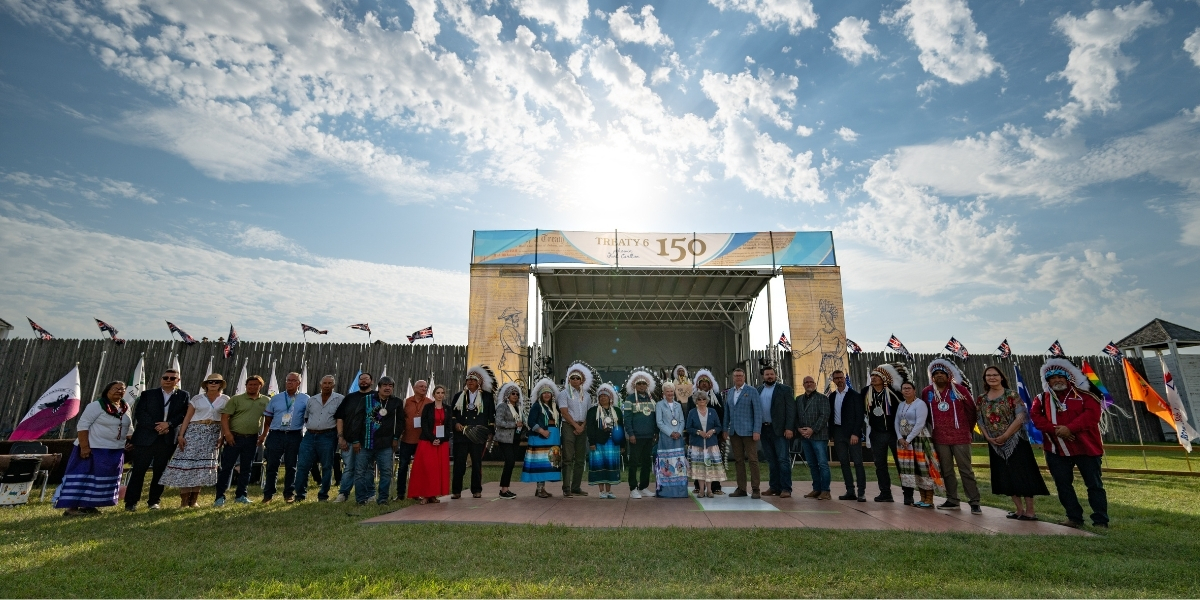
In mid-August, at Fort Carlton Provincial Park, representatives from across Treaty 6 Territory gathered for three days of ceremony, cultural sharing, learning and connection at a special commemoration marking 150 years since the signing of Treaty 6.
Organized by Pêmiska Tourism, and the Office of the Treaty Commissioner of Saskatchewan, the gathering welcomed Indigenous and non-Indigenous participants from across the vast Treaty 6 territory, which extends from present-day Manitoba to the Rocky Mountains.
“There is something very special about being in that place,” Kristen Gabora, Director, Partner Services and Support says. “The grand entry was incredibly moving, and throughout the gathering, there was a feeling of warmth and openness — of welcoming people in and sharing knowledge.”
“Experiences along the trail, like commemorating 150 years of Treaty history, are so important because they connect people not only to one another and to history, but also to the land and the site itself,” says Collin Alexander, Marketing Officer with Pêmiska Tourism. “That’s exactly what our business sets out to do through tourism, and trail development.”
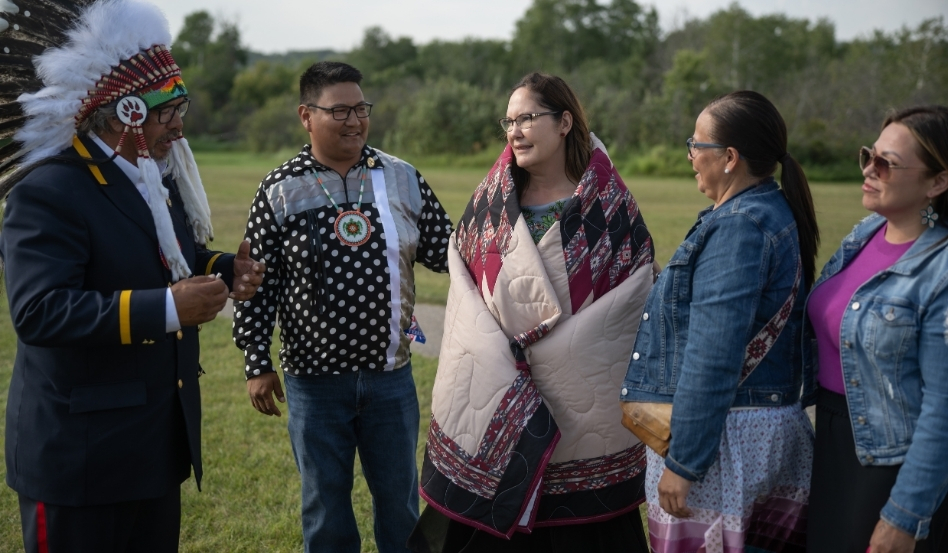
Photo credit: Pêmiska Tourism
A place to listen and learn
The event was hosted at Fort Carlton, the original signing site of Treaty 6, and welcomed more than 5,000 people to the grounds over four days. From viewing the original Treaty 6 parchment, displayed at the site for the first time since 1876, to vendors, forums, cultural programming, and evening entertainment, the gathering created a space to reflect on and commemorate 150 years of Treaty history.
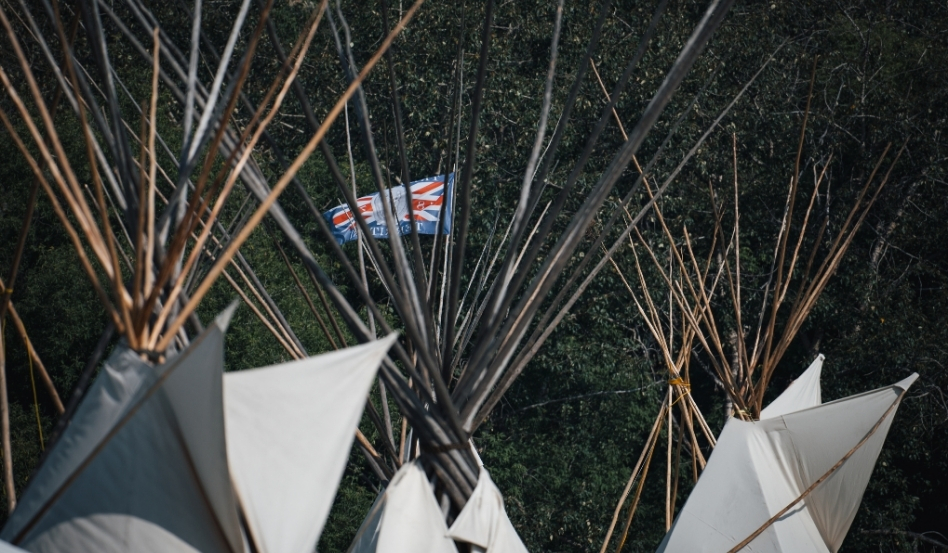
A tipi village provided space for participating Nations and organizations to share knowledge and traditions. Visitors could learn about pemmican making and beading, meet artisans, play at the children’s pop-up art tent, tour Fort Carlton, and speak with Elders.
“There were many young people present, and an Elders’ tent where people could sit and speak with Elders,” says Kristen. “The organizers really thought about how to engage people of all ages.”
A space dedicated to residential school history offered information and support, while also opening conversations about how these histories can be shared.
On the last day of the gathering, an updated plaque was unveiled for the current National Historic Site Cairn, along with a new Treaty 6 150th commemorative monument.
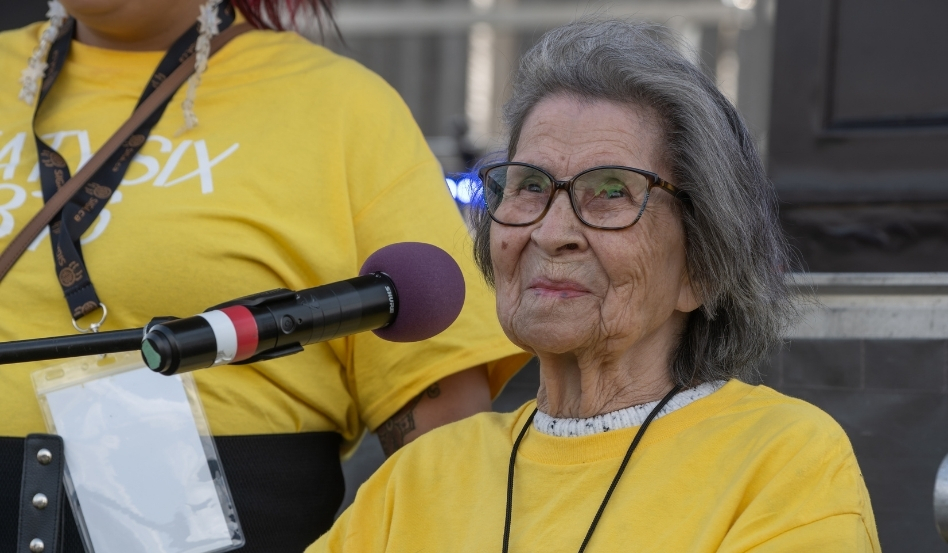
Photo credit: Pêmiska Tourism
Relationships with one another and the land
Throughout the gathering, conversations returned to the importance of relationships: relationships among Nations, citizens, with the Crown, Creator and with the land.
“What’s really powerful about this place is that long before Treaty 6 was signed here, it was already a place of trails, and connection. It was known as pêhonânihk, ‘the waiting place,’ where First Nations gathered and traded, and later became an important hub along the Carlton Trail,” says Collin. “I think contemporary trails like the Trans Canada Trail continue that story in a new way. The routes may have changed, but trails still bring people together, connect communities and landscapes, and help us understand the histories of the places we live on, and travel through.”
For Kristen, these conversations reinforced how trails can offer opportunities to connect with place and share Indigenous stories — but only when that work is guided by meaningful engagement and collaboration.
Kristen and Collin both reflect on important ideas: that trails are paths of connection. In the future there is plans to develop a more permanent Treaty Trail at Fort Carlton in further collaboration between Pêmiska Tourism and Trans Canada Trail.
Showing up in support
Trans Canada Trail was honoured to support the gathering as a partner and to attend alongside representatives from many communities across Treaty 6 Territory. The organization has a longstanding relationship with Beardy’s & Okemasis’ Cree Nation through their tourism entity Pêmiska Tourism, who manages and develops Pêmiska Trail.
“To support efforts toward reconciliation, it is important to be present,” Kristen says. “It is about showing up, listening and acknowledging the people, the land and the routes Indigenous peoples have travelled since time immemorial.”
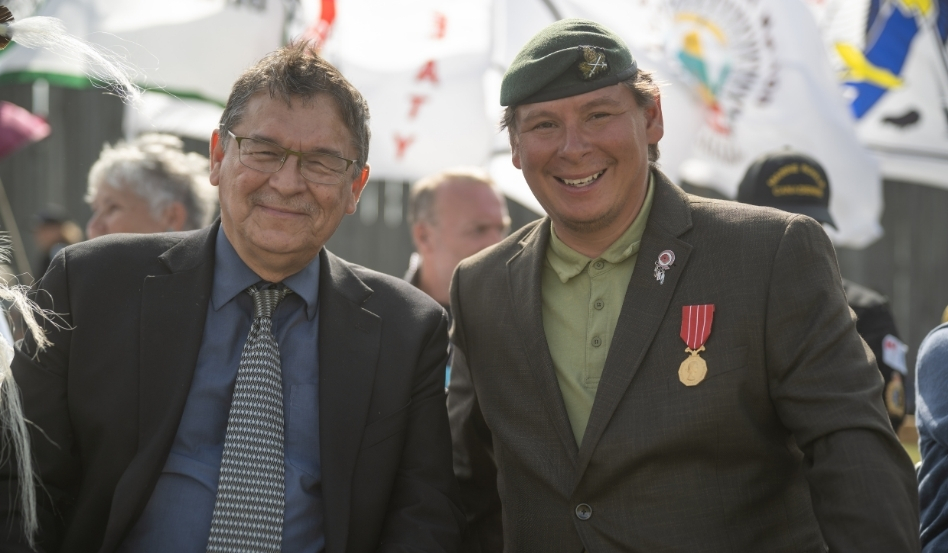
Photo credit: Pêmiska Tourism
Learn more about Treaty 6 here.
Learn more about Trans Canada Trail’s commitment to Indigenous reconciliation here.
Feature photo credit: Pêmiska Tourism