
Debbie’s Trans Canada Trail: How to be a Trail Builder

More than 20 years of volunteering on the ground to help grow and build the Trans Canada Trail has it rewards
Written by Debbie Olsen
How do you work on the Trans Canada Trail when it isn’t passing through your community? It turns out you have options — you can work with like-minded others to get the Trail rerouted, or you can look beyond your own community. Over the past twenty years, I’ve done both with other dedicated volunteers, and both experiences were extremely rewarding.
The Trans Canada Trail wasn’t originally supposed to pass through Ponoka, Lacombe and Red Deer, Alberta. The towns and cities between Calgary and Edmonton were not on the proposed route, but they wanted to be.
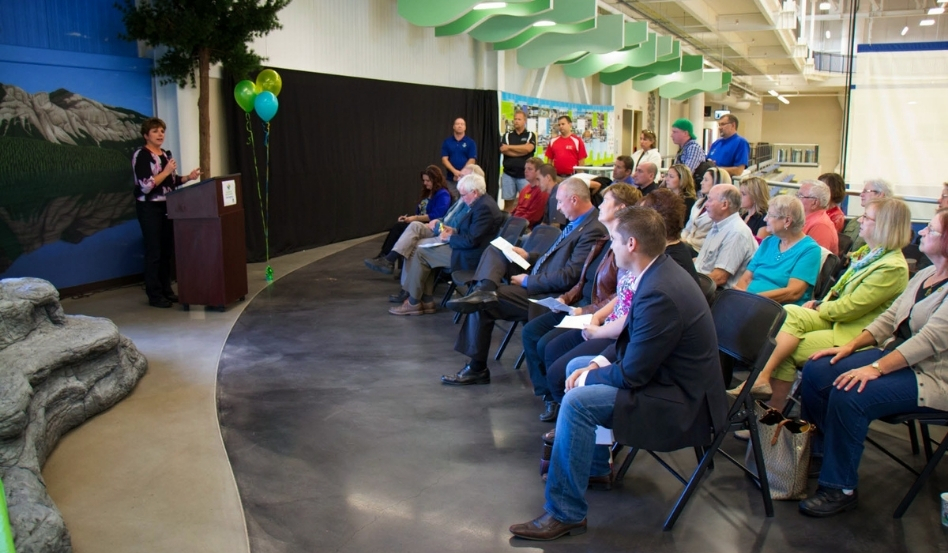
Photo credit: Debbie Olsen
Volunteering with the Central Alberta Regional Trails Society
In 2001, I began volunteering with the Central Alberta Regional Trails Society (CARTS), a non-profit organization dedicated to connecting Central Alberta communities with trails, while I was serving as a municipal councillor for the Town of Lacombe.
We had a plan to build a trail to connect the communities of Ponoka, Lacombe and Red Deer, but we didn’t want just any trail. We wanted our trail to be part of the Trans Canada Trail, the world’s longest recreational trail network. John Jacobs, a municipal councillor with the Town of Ponoka at that time, spearheaded the idea of getting the Trans Canada Trail rerouted to include the region commonly referred to as Central Alberta. “The corridor between Calgary and Edmonton is one of the most travelled routes in the province of Alberta, and it doesn’t make sense for the Trans Canada Trail to bypass it,” he reasoned, and we all agreed.
There were many steps involved in getting the Trans Canada Trail rerouted to include Central Alberta and many more steps to get the trail actually built, but they all involved collaboration.
The Town of Ponoka, Ponoka County, the Town of Lacombe, Lacombe County and the City of Red Deer worked together with CARTS, Alberta’s provincial trail council known as Alberta TrailNet, and the Trans Canada Trail organization to build what is today a very unique section of the Trans Canada Trail that is used by thousands of people every year.
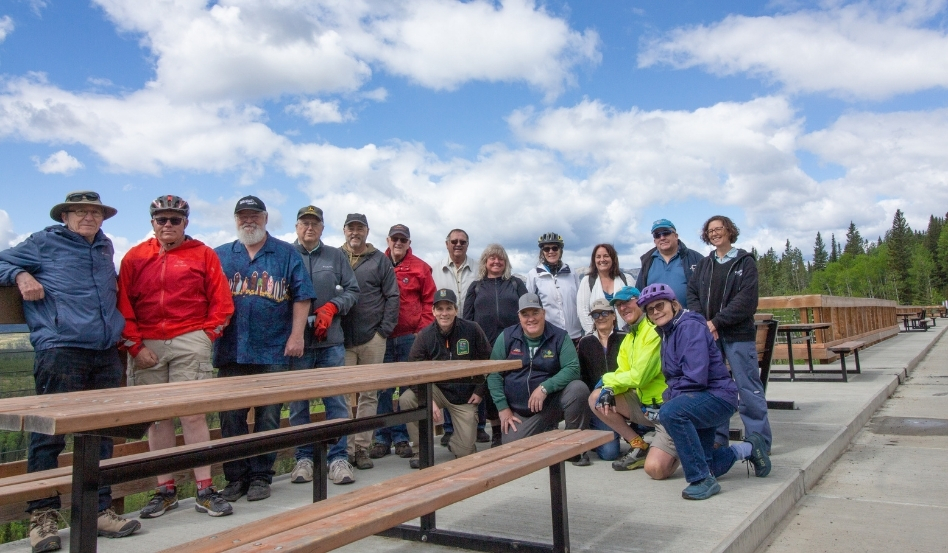
Photo credit: David Wasserman
The Trail from Lacombe to Red Deer
The trail from Lacombe to Red Deer passes through a federal agriculture research centre and the interpretive signage along that route highlights the interesting research that has been going on there for more than a century. It passes a beautiful lake and wetland area with fantastic birdwatching, and it also goes right through the Abbey Centre in Blackfalds, an indoor recreational facility. The Abbey Centre is the only indoor section of the Trans Canada Trail in the country.
When I walk or cycle the Trail, I think about all the people who came together to work on getting it on the ground. I served as the president of CARTS long after I completed my service as a city councillor, and I was in that position when we completed the section of trail that connects Lacombe, Blackfalds and Red Deer. There’s still a small section of trail left to finish north of Lacombe, and I know it will take teamwork and many volunteers to see it completed as a fully off-road trail. For now, that section is connected using existing highways.
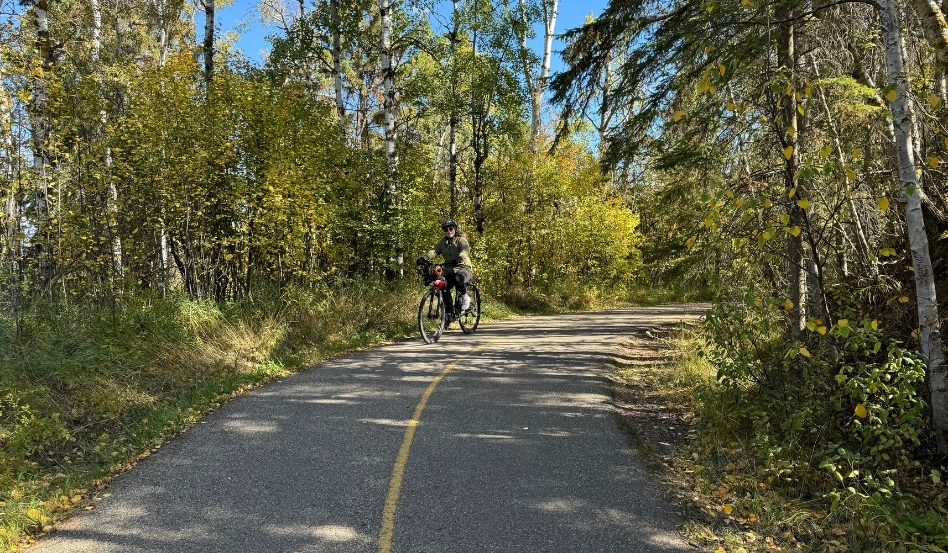
Photo credit: Debbie Olsen
Supporting Alberta’s provincial trail network
After more than a decade volunteering with CARTS, I went on to volunteer with Alberta TrailNet, the trail organization dedicated to supporting the development of Alberta’s provincial trail network. Serving on the provincial trails board provided an opportunity to support the development of the Trans Canada Trail beyond my own community.
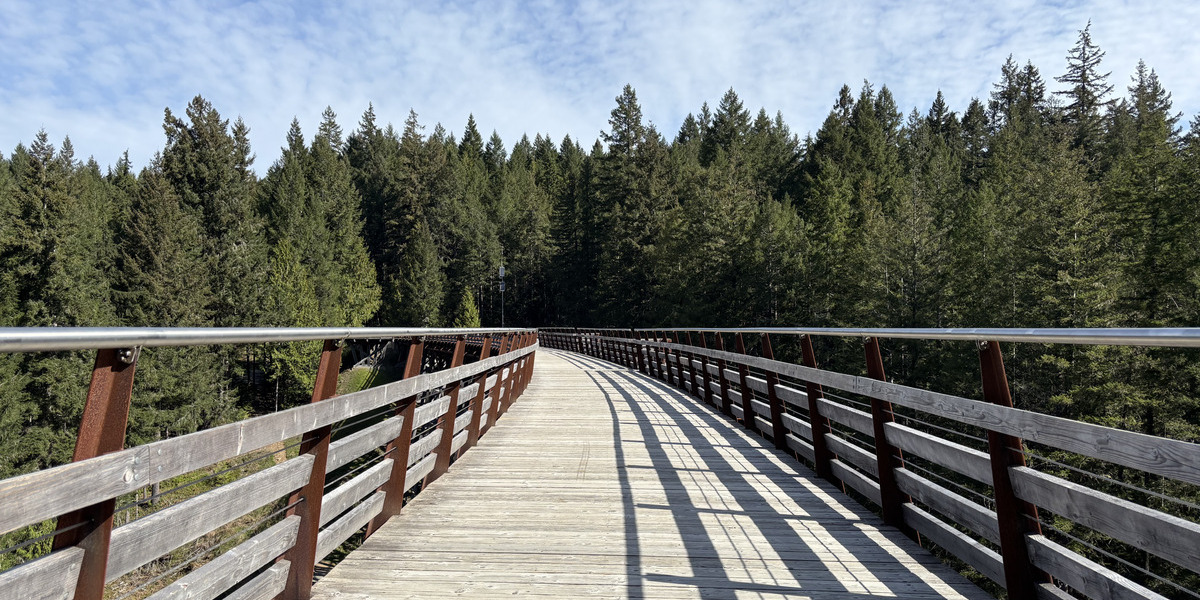
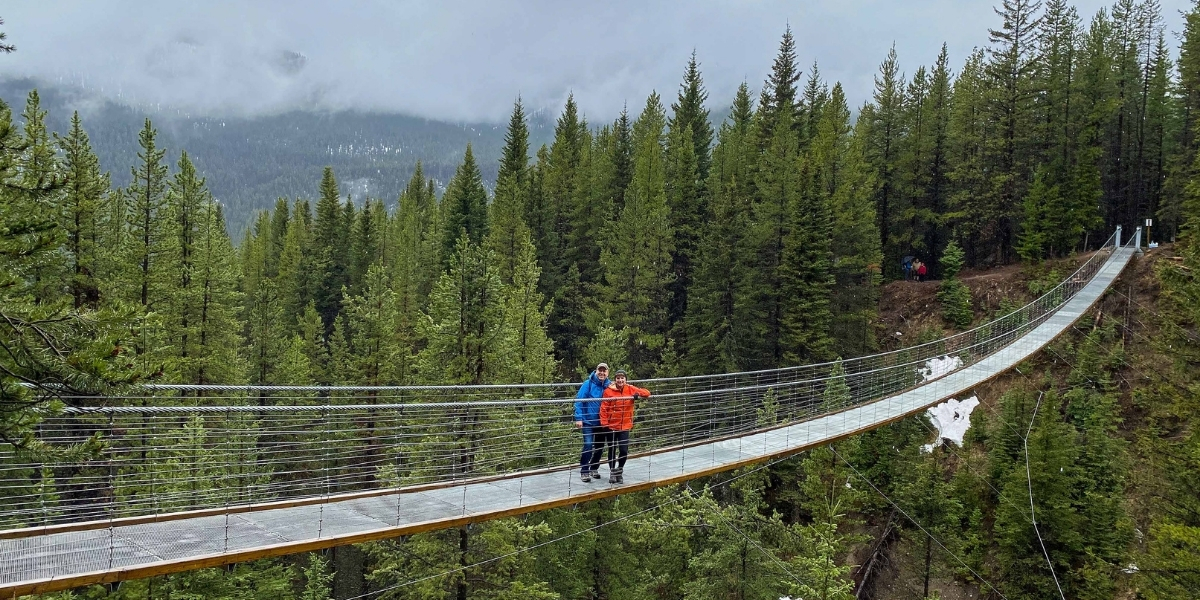
During the decade I spent on the Alberta TrailNet board working with other enthusiastic volunteers, there were many successes. In 2017, the 80-kilometre High Rockies Trail was officially completed, and Alberta TrailNet played an essential role in making that happen. This beautiful mountain biking and hiking trail in Kananaskis connects Alberta with British Columbia. The Black Shale Suspension Bridge, one of the unique features of this section of the Trans Canada Trail, has become Instagram famous, and there are even companies offering guided hiking tours featuring the bridge.
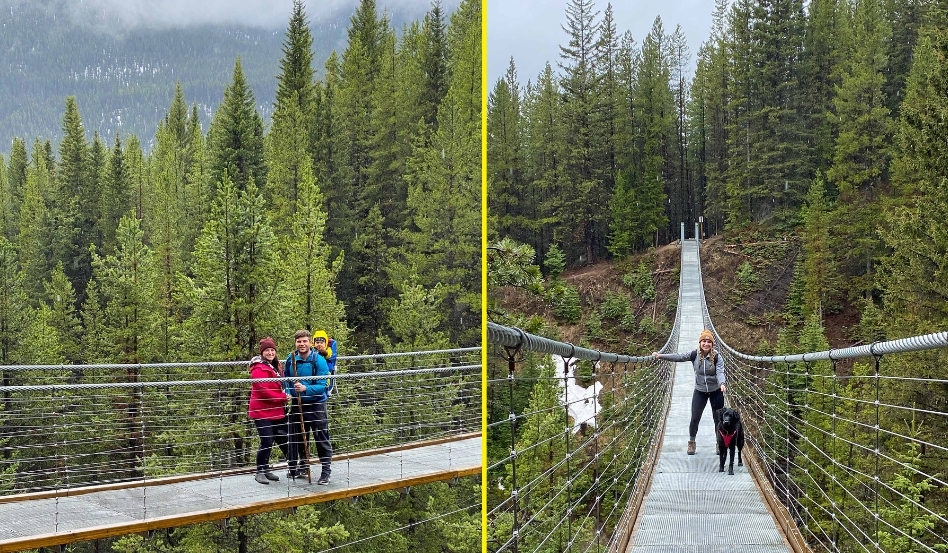
Photo credit: Debbie Olsen
You don’t become a trail volunteer for recognition
Most people who hike or cycle the Trans Canada Trail have no idea that local trail volunteers spent many hours planning the trails they are using — lobbying for government support, working with landowners to negotiate rights-of-way and doing the things that have to be done in the background to get a successful trail on the ground. You don’t become a trail volunteer for recognition. You do it because you want to give back to your community in a meaningful way. It’s about protecting the environment, promoting active living and leaving a legacy that makes the world a little bit better.
Debbie Olsen is an award-winning Métis writer and a national bestselling author. She is also an avid volunteer who was awarded the Queen Elizabeth II Diamond Jubilee Medal in honour of her volunteer efforts with trails. Find more of her stories at Wander Woman Travel Magazine.
About Trans Canada Trail’s Trail Catalyst Fund
Trans Canada Trail’s Trail Catalyst Fund is a comprehensive funding initiative designed to enhance the quality, connectivity and sustainability of the national trail network. It supports strategic investments in trails and the trail sector, all with the goal of fostering a safe, inclusive and resilient Trans Canada Trail. Find out more about funding opportunities here.
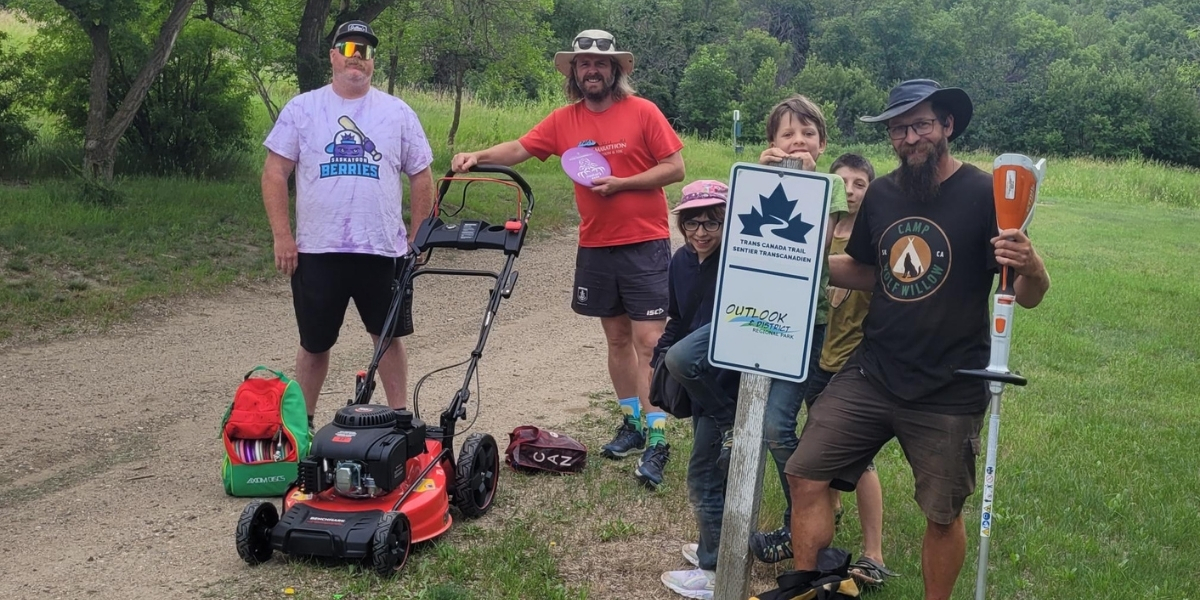
We are deeply grateful to trail volunteers across the country who are dedicated to creating, maintaining and enhancing Trail sections in their communities.
Main photo credit: Kelsey Olsen