
Exploring Black History Along or Near the Trans Canada Trail in Winnipeg

As part of Black History Month, we aim to celebrate, recognize and amplify the achievements of Black people across the country; to reflect on the history of these communities; and to highlight their lived experiences.
We believe that Black history can help inform our daily lives, as we all work to better understand our collective past, and as we look towards building a more equitable and inclusive future.
We’ve compiled some starting points for exploring Black history in Winnipeg, Manitoba, including points of interest on or near the Trans Canada Trail. We would be remiss not to note, however, that this is just a beginning. We encourage readers and trail users across the country to research and explore Black history in their communities.
Please note that some of the information discussed below touches on topics including violence, systemic racism and injustice.
The legacy of the Order of Sleeping Car Porters Union at Craig Block
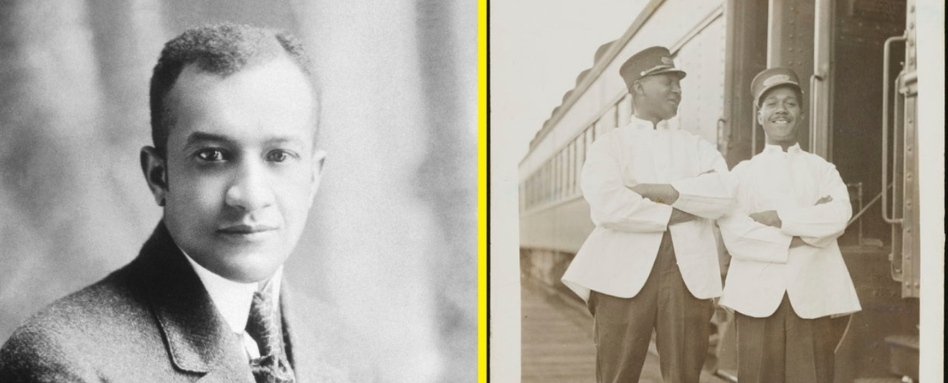
Left: Portrait of John A. Robinson. Credit: Archives of Manitoba. Right: Sleeping car porters. Credit: Library and Archives Canada.
In the late 1800s, Black men across Canada were employed by the railroad as sleeping car porters, including men from Winnipeg’s Black community. Black sleeping car porters faced harsh working conditions, including lower pay than white employees and nowhere to sleep on long train journeys.
In 1917, after being denied entry into the Canadian Brotherhood of Railway Employees, Winnipeg-based sleeping car porter John A. Robinson and his peers created the Order of Sleeping Car Porters (OSCP). Their office moved to 795 Main Street in the 1920s, and the building became an important hub for Winnipeg’s Black community over the decades, housing the Porters’ Social and Charitable Association, Regent Lodge #5, and more, through the 1980s.
At 793-795 Main Street in Winnipeg, just a couple of blocks from the City of Winnipeg section of the Trans Canada Trail, you’ll find Craig Block, home to the first Black railway union in North America.
Lee Williams and the Fair Employment Practices Act
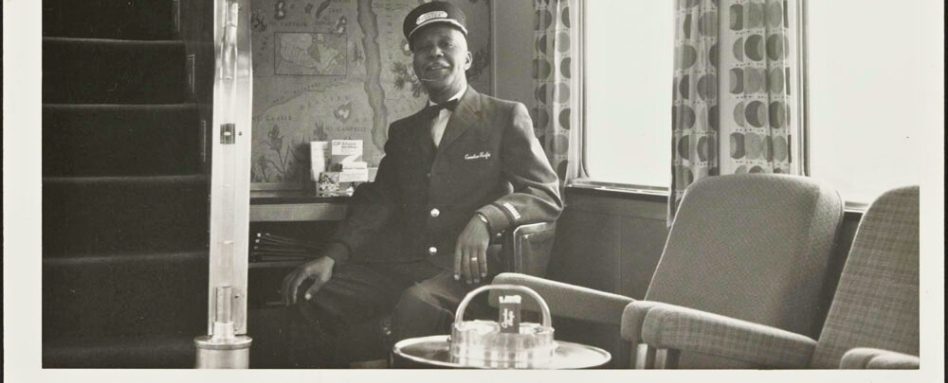
Photo credit: Library and Archives Canada
Decades after the OSCP was founded, Lee Williams was hired by Canadian National Railway as a sleeping car porter in the 1930s. He became chair of the local chapter of the OSCP, and in 1955, he challenged the Canadian Brotherhood of Railway Employees — which had previously refused membership to Black railway workers — to remove job discrimination from the union’s collective agreement.
Despite an unsuccessful challenge, followed by a complaint to the federal government under the Fair Employment Practices Act, which was also refused, Lee Wiliams and his colleagues persisted in their challenge against CN Rail. In 1964, Prime Minister Lester Pearson ordered that CN Rail put an end to its discriminatory practices, particularly around opportunities for advancement within the organization. Lee Williams became one of the first Black sleeping car conductors and was later promoted to supervisor. In 2002, he was awarded an honorary Doctor of Laws degree from York University.
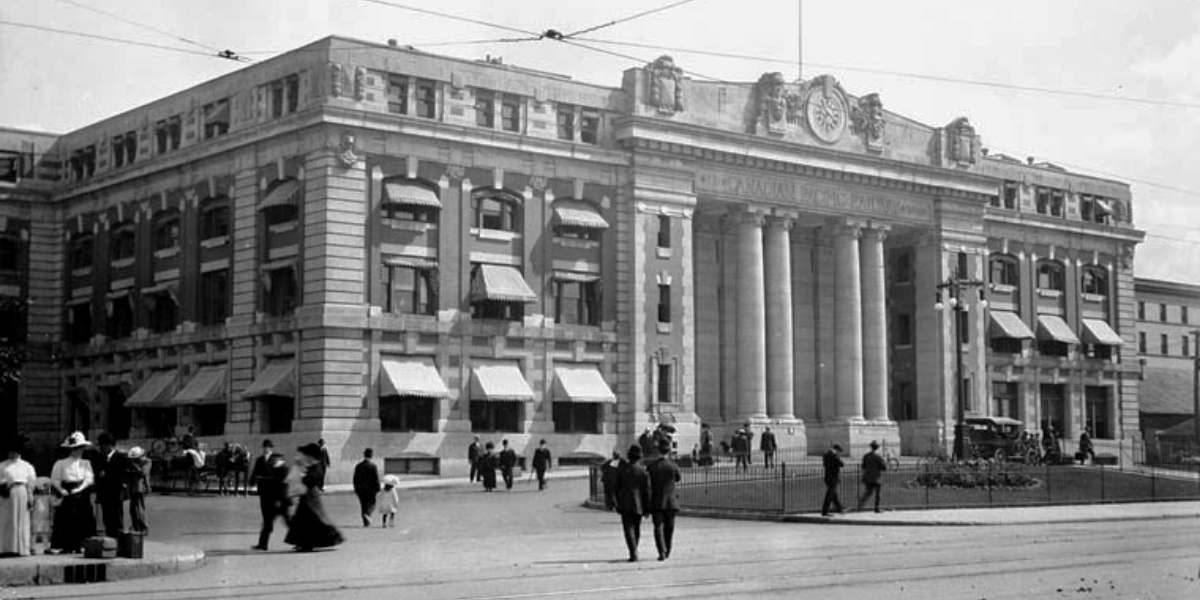
The former Canadian Pacific Rail Station — now a National Historic Site of Canada — can be found on Higgins Avenue, just off the City of Winnipeg section of the Trans Canada Trail in the South End neighbourhood of the city.
Pilgrim Baptist Church
The oldest Black Church in Winnipeg and one of the oldest in Western Canada, the Pilgrim Baptist Church was founded in 1924 and served as a hub for the Black community in Winnipeg. Despite facing both a fire and a flood over the years, it is still operating today. It’s the site of the founding of the Winnipeg chapter of the Canadian League for the Advancement of Coloured People in 1945. Congregants include notable Manitobans, including Frances Atwell’s family.
You can find it a few blocks from the City of Winnipeg Trail.
Saint Norbert: The Atwell family
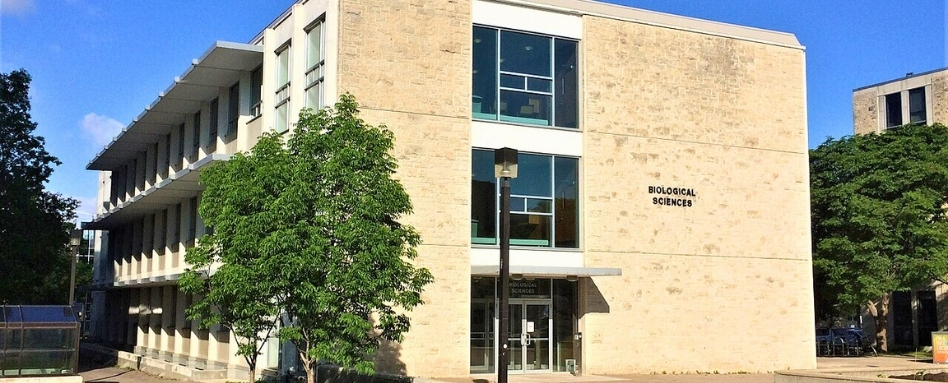
Former Faculty of Pharmacy Building, University of Manitoba. Photo credit: Jack Coop
Born in Winnipeg in 1923, Frances Helen Brown Atwell was the first Black pharmacist in Manitoba. She graduated from the Faculty of Pharmacy at the University of Manitoba in 1948. She worked as a pharmacist at the St. Boniface Hospital and several other pharmacies in the Winnipeg area. Frances and her family — her husband and seven children — lived in St. Norbert. She died in 2015 at the age of 92. Her childhood home, at the corner of Charles and Redwood, can be found a short walk from the Trans Canada Trail.
Frances Atwell’s son Gerry Atwell was born in 1959. A well-known musician in town, he served on the St. Norbert Arts Centre’s Board, and also as a curator and program coordinator for over 20 years. Through his work at the Arts Centre, Gerry Atwell and his colleagues promoted Winnipeg’s diverse arts and culture community. Upon his passing in 2019, the Arts Centre created a memorial fund in his honour, the Gerry Atwell Memorial Endowment Fund. The Centre also hosts GerryFest, an annual arts and music festival, in his memory.
Learn more about notable Manitobans and Black history across Canada on our interactive StoryMap.
Feature photo credit: Library and Archives Canada