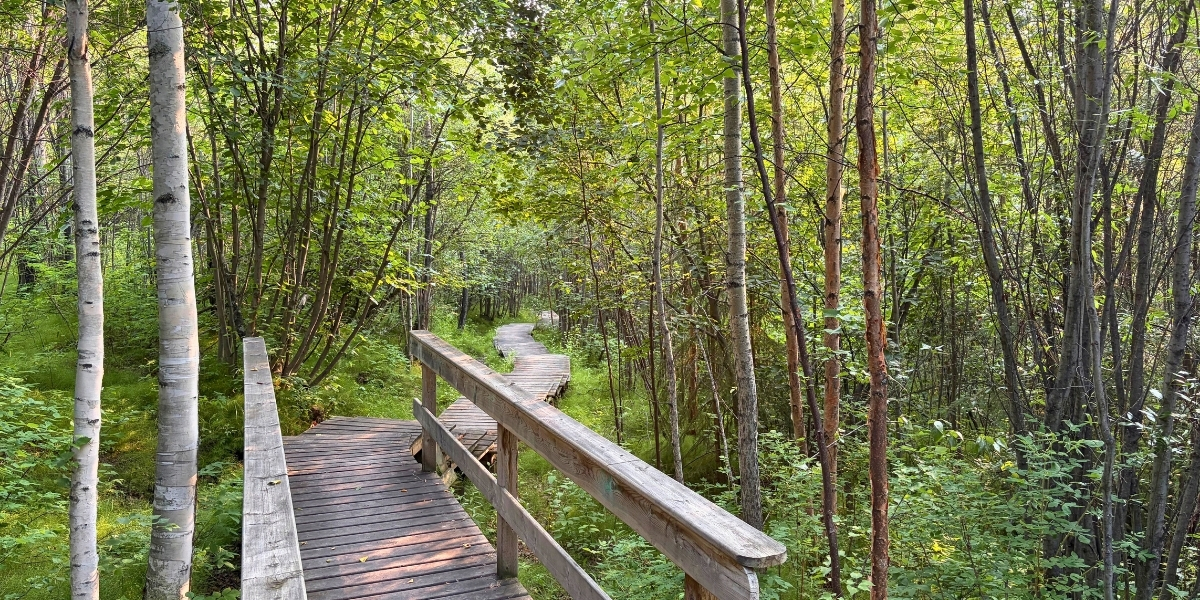

Sylvia’s Trans Canada Trail: Plants on the Trail are Worth a Second Look

Written by Sylvia Dekker
Canada is home to an incredibly diverse and interesting array of flora. We’ve got everything from orchids to cacti. Despite plants setting the sensory scene for our outdoor adventures and being essential ecosystem producers busily creating and maintaining habitat for the wildlife we gush over, leafy nature is often overlooked. Unless they are putting on a show, that is. Think wildflower season or larch madness, for example.
The widespread tendency to view the plants we brush past on the trail as a green screen — an inanimate backdrop for animal life — isn’t new: plant blindness (recently renamed plant awareness disparity) was first coined in a 1999 study. Since then, the fact that plants are largely glossed over in education and public policy has been linked to the phenomenon, and the trickle-down results speak for themselves: plant extinction is at an all-time high, while funding for plant conservation is at an all-time low.
If you really pay attention to the green on your next Trans Canada Trail adventure, you’ll notice even the most commonplace or unassuming plants contribute to history, the ecosystem and even your experiences. Some of these plants informed Indigenous communities about other natural happenings significant to subsistence living via life cycle events such as blooming, known as phenological indicators. Others provide other essential ecosystem services, including soil stabilization and water conservation, and many feed and shelter crucial wildlife. Most are present in all provinces and some territories, and all are worth a second look.
Plants to look for on the Trans Canada Trail
Bearberry or kinnikinnick is an evergreen ground trailing plant you can find everywhere. Its extensive root systems stabilize the often sandy, rocky, steep soils it thrives in, helping to prevent erosion. The bright red berries are an important snack for bears, birds and small mammals.
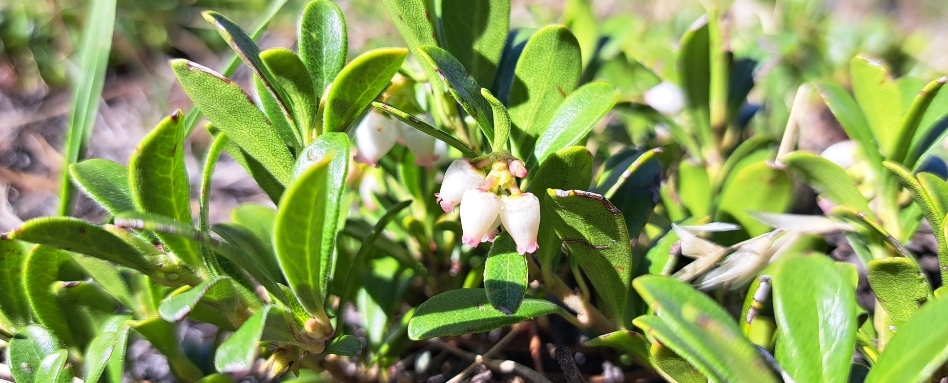
Flower: Bearberry, Photo credit: Sylvia Dekker
Wild rose is a thorny plant that often grows in dense thickets, making ideal habitats and havens for many little species. The shiny red rosehips are a nutritious fruit for both wildlife and people. To the Stl’atl’imx Peoples, the fragrant pink blooms indicated the second run of spring salmon up the Fraser River and that basket materials were ready to harvest.
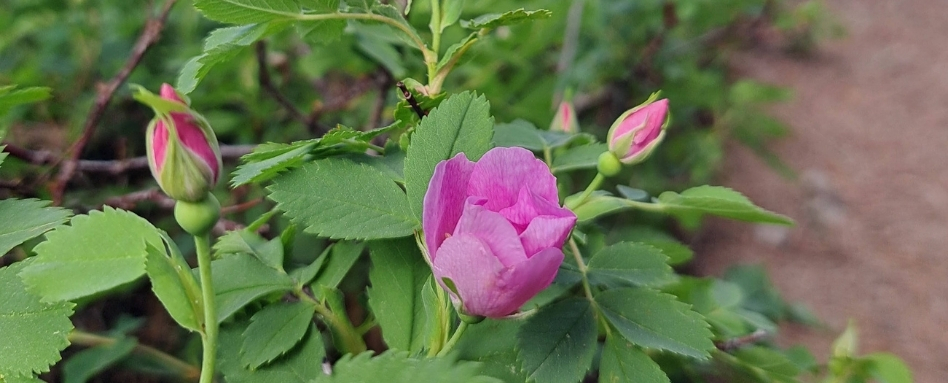
Flower: Wild Rose, Photo credit: Sylvia Dekker
I can’t resist plucking a feathery leaf from the yarrow plant to inhale its strong aroma. It was traditionally used to stop bleeding. The fibrous rhizomatous root systems prevent erosion. Both pollinators and beneficial insects such as ladybugs and lacewings love it, and it thrives in diverse environments, enhancing ecological connectivity.
Canada goldenrod is a vital late summer/fall food resource for pollinators. It has well known medicinal properties, reported to reduce inflammation, sore throats and digestive issues, and the sunshiney blooms make a bright yellow dye.
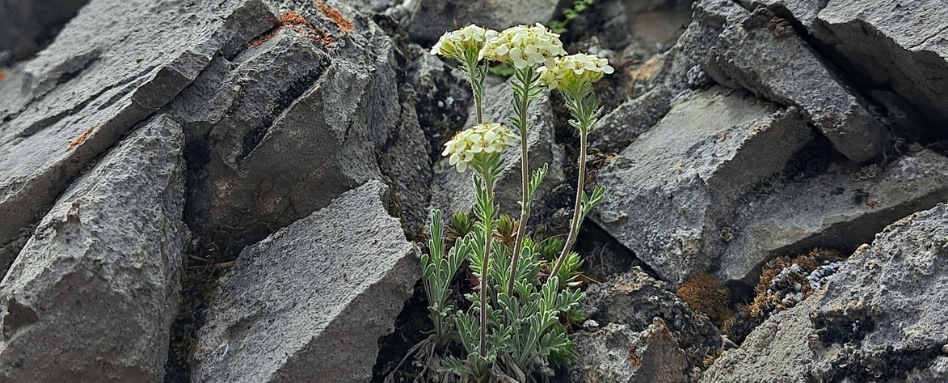
Flower: Yarrow, Photo credit: Sylvia Dekker
Wild strawberry grows along the ground, sending vegetative runners in all directions and creating an important ground cover in disturbed habitats like trails. Find a ripe berry and you’re in for an intense pop of warm sweetness that mammals, birds and insects also can’t get enough of.
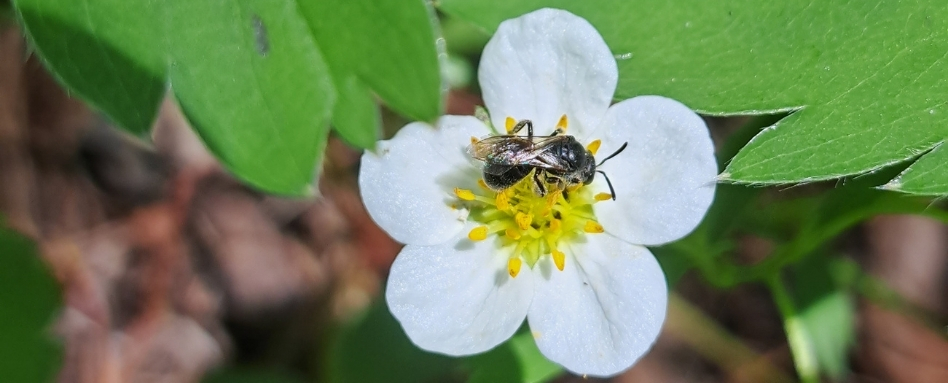
Flower: Wild Strawberry, Photo credit: Sylvia Dekker
Snowberry’s white berries, while poisonous for us, last on the bush all winter and are an important food for over 40 species of birds including grouse, mourning doves, quail, pheasants, waxwings, finches and sparrows.
Bunchberry is a low growing ground cover in many Canadian forests, maintaining forest floor moisture with its dense mat of foliage, and providing shelter for small animals and insects. The dogwood-like blooms provide nectar important to early season pollinators, and they produce a cluster of red berries that are an important food for little creatures such as thrushes, waxwings, chipmunks and squirrels.
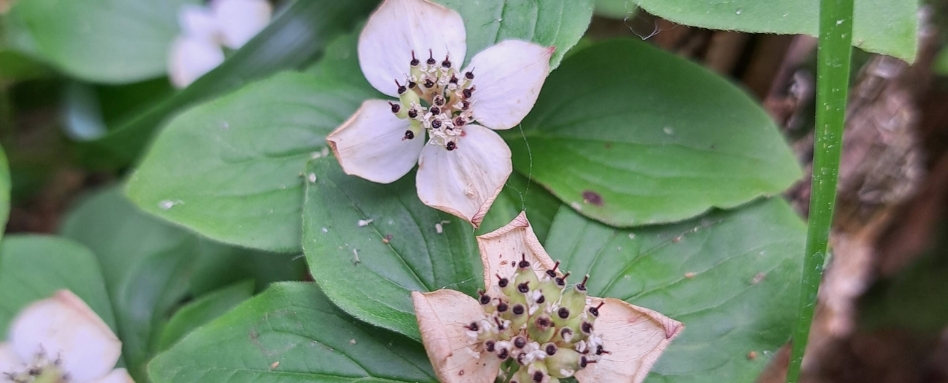
Flower: Bunchberry, Photo credit: Sylvia Dekker
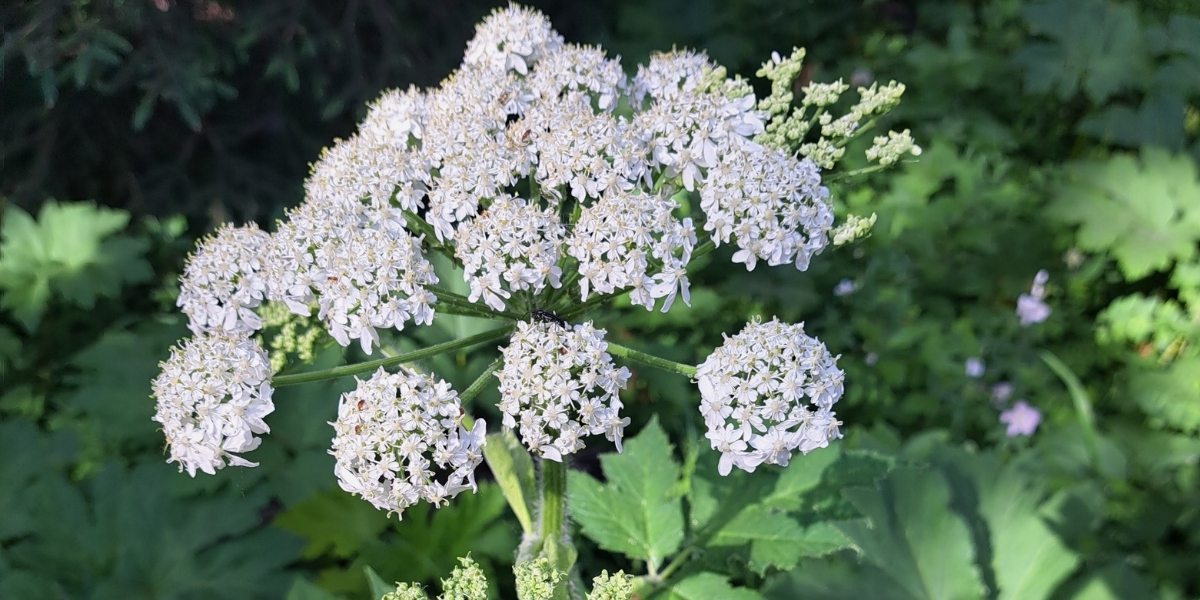
Cow parsnip is a big ol’ water-loving plant foraged by deer, elk, moose and bear. The wide white blooms feed an array of pollinators like bees and butterflies, and were a clue for the Haida people that seagull eggs were no longer good to eat.
Labrador tea is a fragrant medicinal plant able to grow in harsh conditions including acidic and nutrient poor soils. Indigenous peoples steeped the fragrant, mildly medicinal leaves into tea.
Saskatoon berry is a recognizable, common bush dripping with nutritious deep purple berries enjoyed by all sorts of wildlife, and people. The plants provide habitat for small creatures, and prevent erosion in the sub-par soils they happily grow in. To the Nlaka’pamux people, the white blooms indicated the edible tubers of the bitterroot plant were ready to dig.
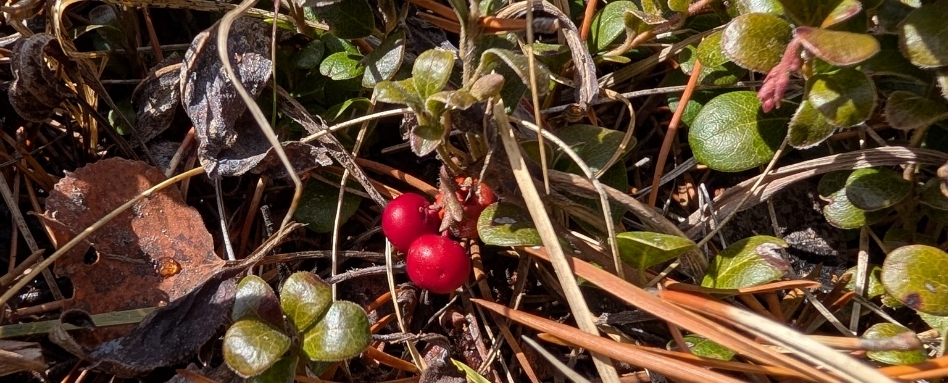
Flower: Bearberry, Photo credit: Sylvia Dekker
False Solomon’s seal is a woodland dweller with an arching stem, alternating leaves and a fragrant cluster of white flowers at the tip of the stem. The red berries are a late summer food source for birds, and its extensive root systems stabilize the soil.
Twinflower is a common, easily overlooked delicate beauty creeping over forest floors and helping to conserve moisture. Even though you’ll have to get down to ground level to appreciate the tiny blushing blooms that look like tiny forest streetlamps, this and all the plants listed above are worth a second look.
Thanks to the diverse ecosystems and environments of this country — from semi-arid grasslands to soggy temperate rainforests — there are a wide variety of plant species flanking the Trans Canada Trail, and an even more diverse and interesting array of plants waiting to be noticed on your next visit.
Fresh air, wild places and the life they contain — from the smallest wonder to the vastest detail — are the heartbeat of Sylvia Dekker’s pen. She is a freelance writer based in a small town in the Albertan Rocky Mountain foothills and shares her love of exploring nature with her husband, three tagalongs and now, you. Find her @syl.dekker and read on at www.sylviadekker.com.
About Trans Canada Trail
Stretching nearly 30,000 kilometres across every province and territory, the Trans Canada Trail is cared for locally by trail and community groups. As a charity, Trans Canada Trail advocates for and stewards this nationwide system. We support community-led trail projects through the Trail Catalyst Fund and we share reliable trail knowledge through the Centre for Trail Excellence.
Flower: Cow Parsnip, Main photo credit: Sylvia Dekker