
Bronwyn’s Trans Canada Trail: It’s a Sign!

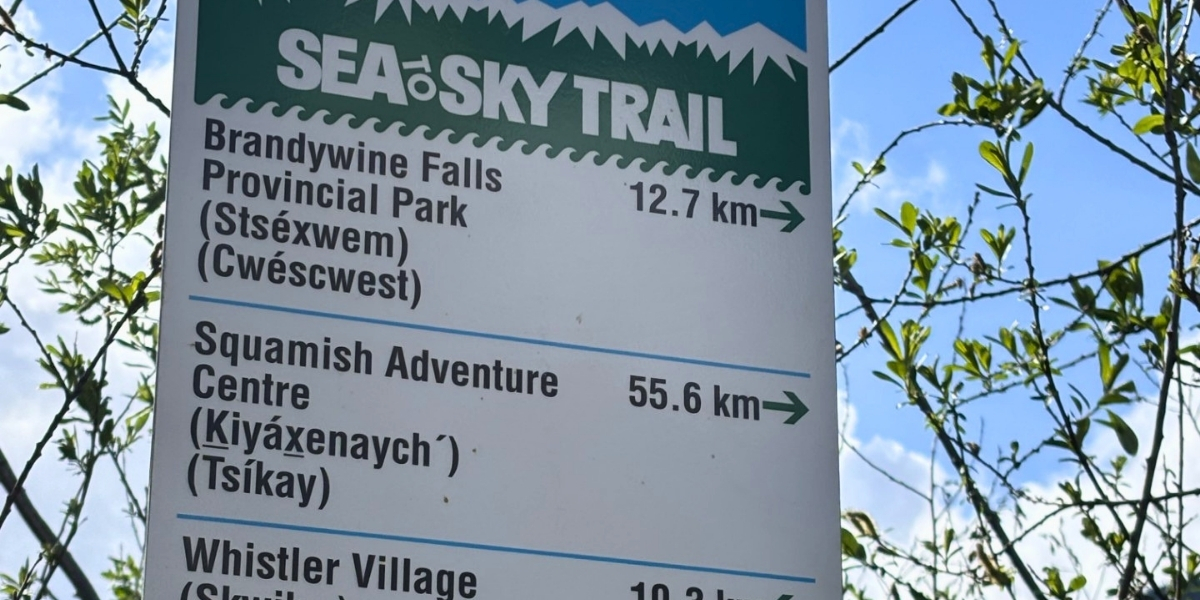
A Connect-the-Dot Constellation of a Trail’s Connectivity
Written by Bronwyn Preece
“It’s a sign!” is an oft used expression to confirm that one is indeed “on the right path”…
In the case of the Trans Canada Trail, “the sign” is often literal – an emblemed signpost: serving as a reassurance marker. At times, “the sign” is spotted intentionally, others unexpectedly, or in some cases, one later learns that trails once traipsed, decades previous, now fall under this signed designation.
Through the wander — and wonder — of waypoints, the significance of the Trans Canada Trail sign through my trailed travels has helped shape a new sense of place-making and relating-to-place: routing and rooting senses of local and national connectivity through wayfinding.
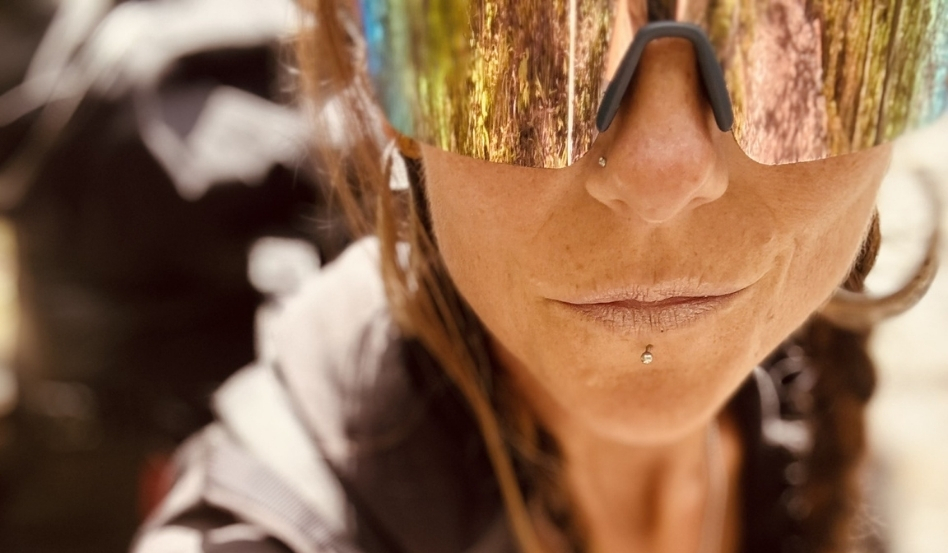
Photo credit: Bronwyn Preece
I chronicle as I hike
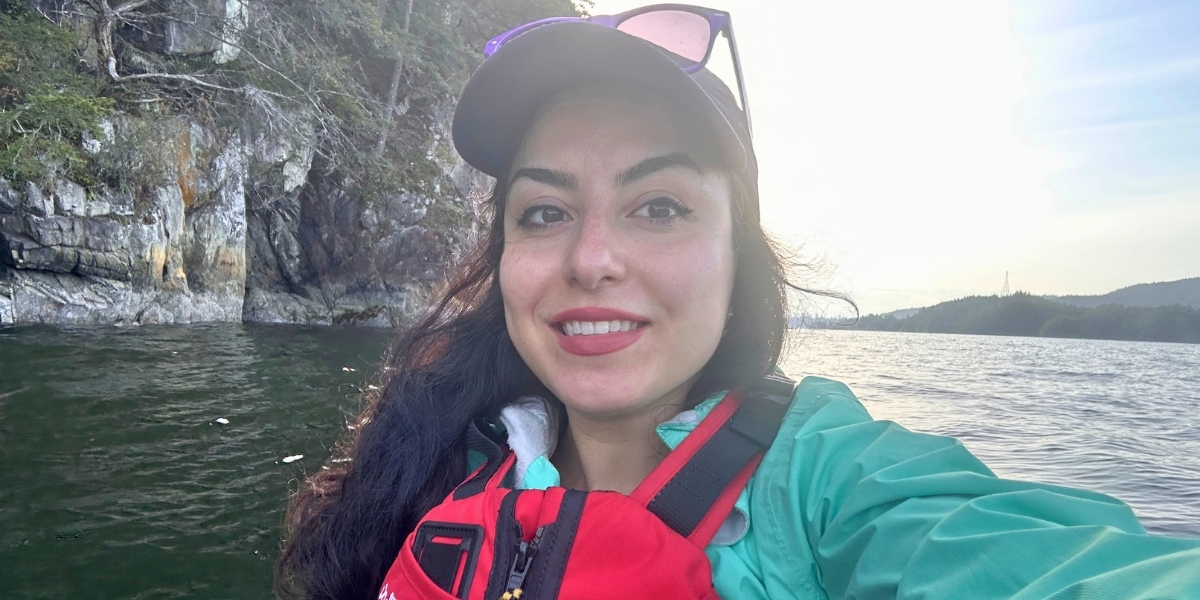
Dubbed the “backcountry poet,” I chronicle as I hike, write as I walk — a site-sensitive memoirist: translating traversed landscapes into language, trail experiences into engaged narratives. I synthesize into words my ever-deepening understandings of self, Peoples and place, as a person of predominantly settler descent visiting unceded Ancestral Lands. I have an established, published practice of documenting these evolving relationships, overlaps, challenges, hopes and their inextricable reveals in situ.
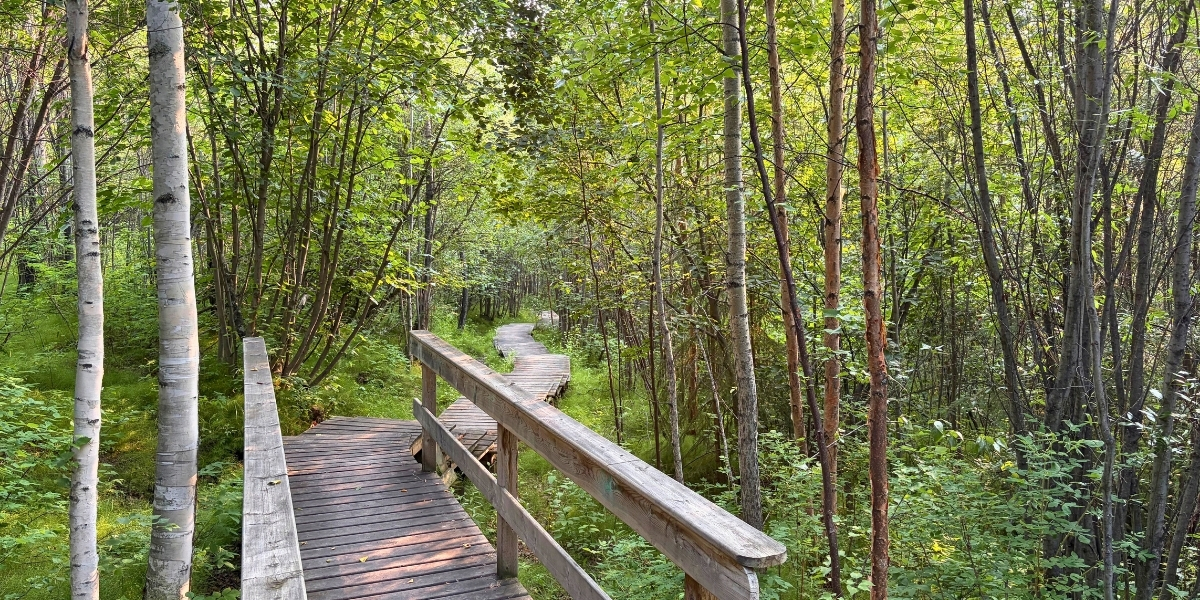
In my own backyard, the Trans Canada Trail follows the Sea to Sky Trail through valleys in the Coast Mountains of western British Columbia.
I have the privilege of living on the shared Territory of the Lil’wat and Squamish Nations in Whistler, and here the Trans Canada Trail signs are tri-lingual: written in Ucwalmícwts (Lil’wat language), Skwxwú7mesh Sníchim (Squamish language) and English (colonially imposed). More north of town, as the overlap of Territories tease apart, the signage is in Ucwalmícwts and English, and south the signposts shift to Skwxwú7mesh Sníchim and English. In one sense, these multi-lingual signposts could be viewed as the trail’s Talking Sticks:
The Talking stick, used in many Indigenous cultures, is an ancient and powerful “communication tool” that ensures a code of conduct of respect during meetings is followed. The person holding the stick, and only that person, is designated as having the right to speak and all others must listen quietly and respectfully.
These signs beckon the walker, hiker, biker, passerby to reflect anew on histories of travel and the relationship between place and names, the stories that this path may have to tell, to share. The signs serve as a communication tool — and remind us to listen quietly and respectfully — they serve as an invitation to seek out, to sink in deeper, to the many tales that any one trail may hold. These signs had that effect on me.
Hiking the Great Divide Trail
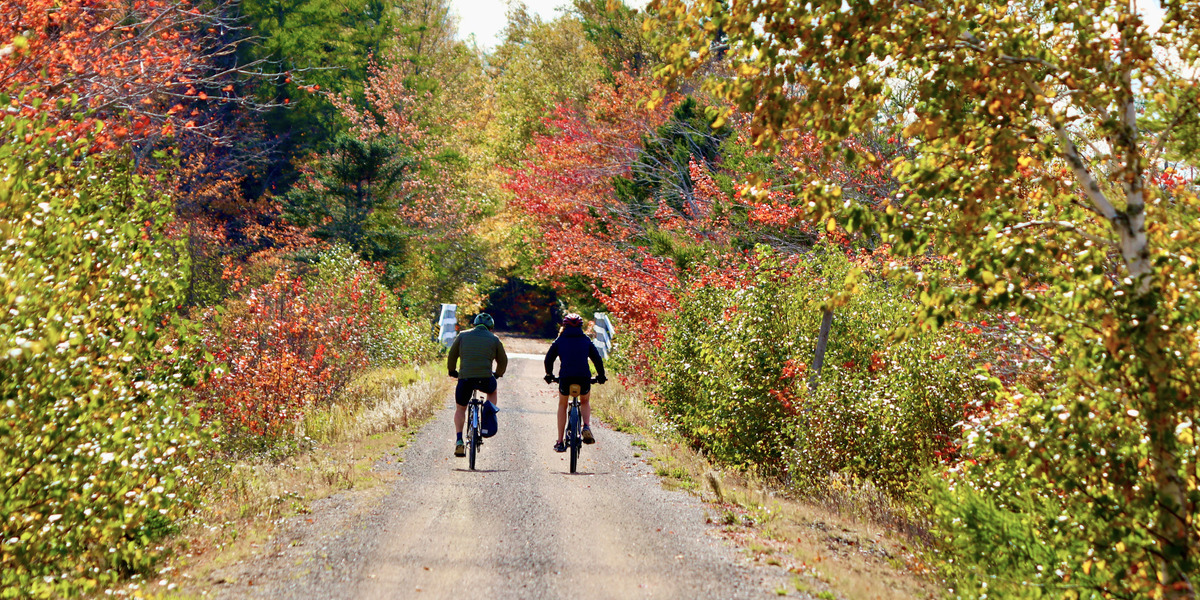
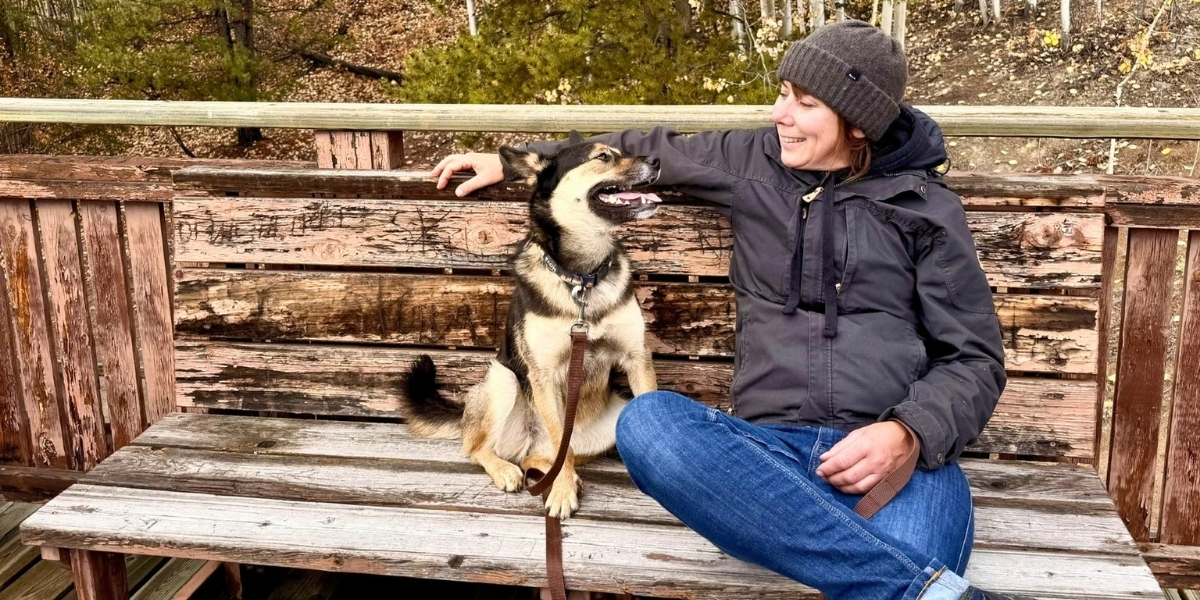
The Trans Canada Trail sign has also appeared on a section of the Great Divide Trail I was hiking in Alberta. The sign suddenly appeared on a tract of dirt road I had popped out onto, following ford of river and bushwhack of trail. This portion of dirt road was a connective path — a link between trail for me — where after being more remote for days on end, I suddenly was intersecting with cyclists. These cyclists were themselves following the Great Divide – in their case, a bike route by the same name, from Banff to the southern United States. In my case, a thru hike, from the American border northwards up the spine of the Canadian Rockies. Though heading in different directions and using different modes of transport —by pedal versus bi-pedal — our intersection was on the Trans Canada Trail: our latitudinal trajectories, bringing us together in longitudinal moments of conversation. Though fuelled by momentum and movement, these junctures gave us reason to stop, exchanging moments through trail talk: imprinting the route with wheeled and walked memories of being in the backroad-wild. [T]here, together, before parting ways, we shared a path simultaneously the same and different.
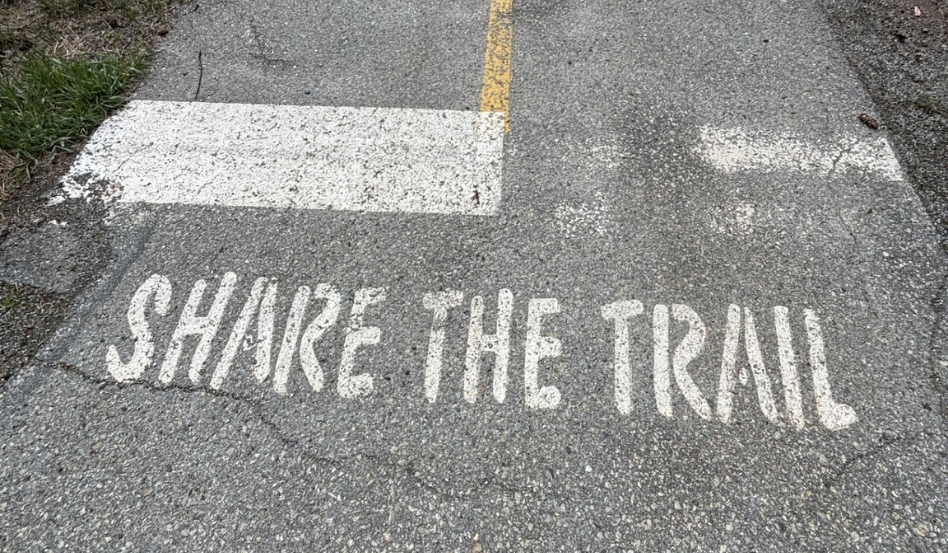
Photo credit: Bronwyn Preece
A network of paths now threaded together
I grew up walking. A coastal girl, my tromping grounds were Victoria and Vancouver Island, the Gulf Islands and Vancouver. Paths sometimes led to sand, skirted shore, wove through woods or were marked by stripe of sidewalk on pound of pavement. Urban and rural mixed and mashed into the cartographic calligraphy of routes taken and trekked.
When I was growing up, these same paths held their own names. The Seawall. Shawnigan Lake. The Sooke Hills. They still do. But these names have since been extended – or, perhaps it’s better thought of as been embraced, under the larger moniker of the Trans Canada Trail. This network of trails that I may have once walked – independent of each other – are now threaded together through retrospect: a lens which time has let stretch footfalls into a new, refreshed and revised fit, simultaneously shrinking separateness by diminishing distance through collective definition.
I was walking the Trans Canada Trail before it even existed. The concept is an interesting one, an exciting one. It was once said that “A rose by any other name would smell as sweet”… In this case, these trails, now collectively held by one name — along with their other names — smell just as sweet, if not now even sweeter. The appeal is enlarged — an invitation to connect the dots — to further review the spots that one may have, unknowingly, already connected: past travels giving rise to fresh review. And future plans gifting the opportunity to look anew.
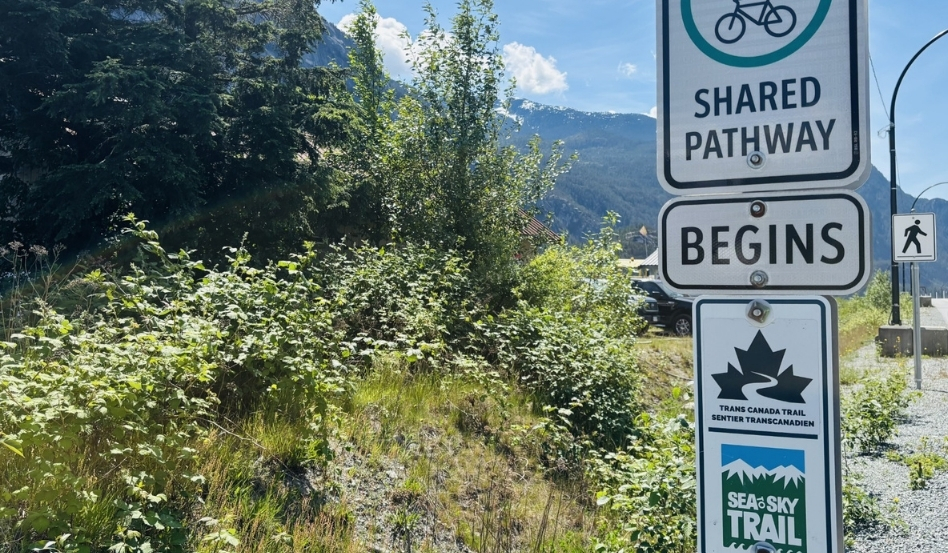
Photo credit: Bronwyn Preece
The Trans Canada Trail as a sign of connection
This summer I am planning to travel to the Yukon to hike. I pull up the Trans Canada Trail map to see if my chosen routes may fall under the de-sign-ation of the overarching vision. The routes between my off-the-beaten track treks do. This sudden awareness births a new sense of appreciation – a personal and collectively strung, as opposed to sung, anthem — for what and how I/we may move through space together: point-to-point place-finding.
The Trans Canada Trail indeed offers us all a collective sign — a vision of finding common cultural ground, through topographic distinction: the invitation is a welcome one. And so I walk…
Bronwyn is a site-sensitive, poetic renegade and multi-disciplinary arts practitioner. Dubbed the “backcountry poet,” she holds a PhD in Performance, along with a MA and BFA in Applied Theatre. She has taught and performed internationally. Her forthcoming book: hiking beyond : poems from the trail will be released in March with Caitlin Press. She is the author of knee deep in high water : riding the Muskwa-Kechika, expedition poems (Caitlin Press, 2023); Sea to Sky Alphabet (Simply Read Books, 2024); Gulf Islands Alphabet (Simply Read Books, 2012) and the forthcoming Canadian Rockies Alphabet, Olive and Jasper and My Happy Hiking Trails, all with Simply Read Books. Her artistic and educational work aims towards cultivating place-based awareness and small acts of reconciliatory repair. She has the word ‘gratitude’ tattooed on her arm.
Explore the Sea-to-Sky Trail and find more suggestions for West Coast hiking trails on our interactive map.
About Trans Canada Trail
Stretching nearly 30,000 kilometres across every province and territory, the Trans Canada Trail is cared for locally by trailmand community groups. As a charity, Trans Canada Trail advocates for and stewards this nationwide system, helping ensure people can keep finding moments in nature that support their wellbeing. We support community-led trail projects – including signage projects along the Trail – through the Trail Catalyst Fund and we share reliable trail knowledge through the Centre for Trail Excellence.
Main photo credit: Bronwyn Preece