
Taryn’s Trans Canada Trail: How to Get Outside During Shoulder Season

Written by Taryn Eyton
Sandwiched between the snows of winter and the heat of summer, shoulder season offers a quieter time to get outside. Here’s how to make the most of shoulder season on the Trans Canada Trail, from where to go and what to pack, to how to travel responsibly in changing conditions.
What is shoulder season?
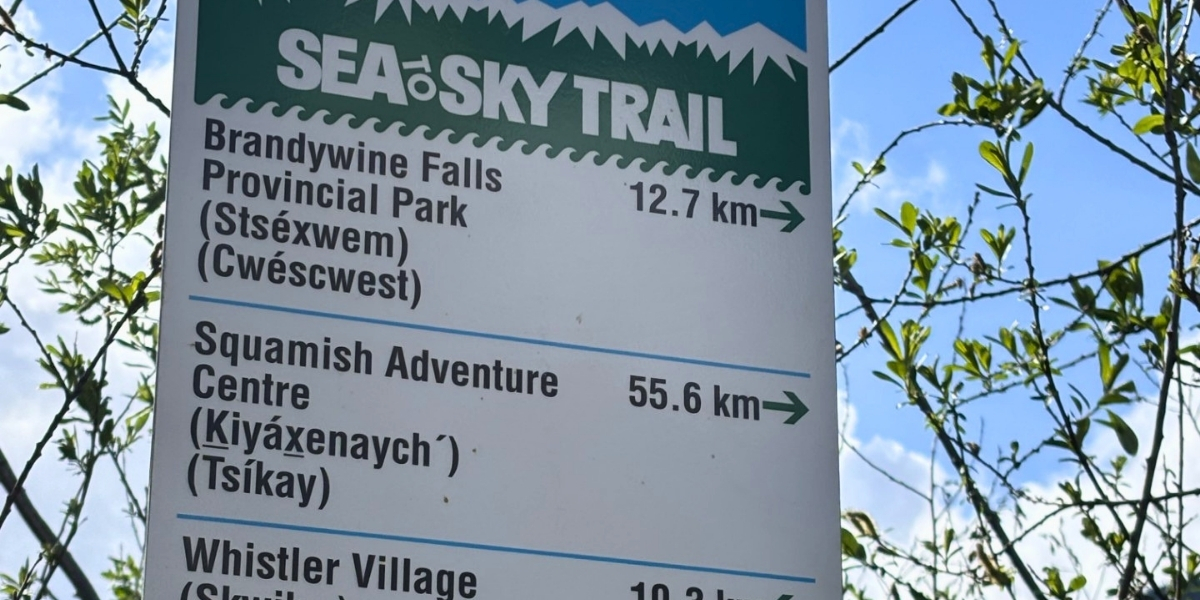
Shoulder season is the period between peak seasons. For outdoor adventurers, the timing of shoulder season varies by region (and with elevation), but it usually means the time of year when it’s not snowy enough to be prime skiing season but not warm and dry enough to be full-on summer. In the in-between time of late fall and early spring, you can often expect mud, melting snow and wet, unpredictable weather. In mountainous parts of Canada, like where I am along the Sea to Sky Trail, it can be warm and sunny down in the valleys, while the peaks remain in the icy grip of winter.
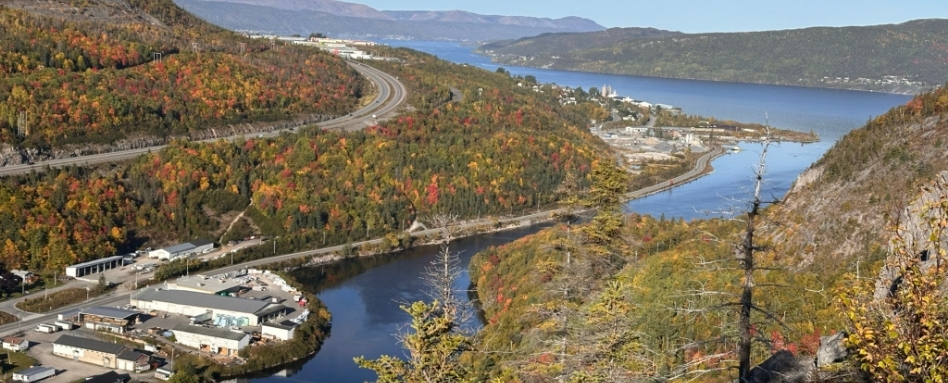
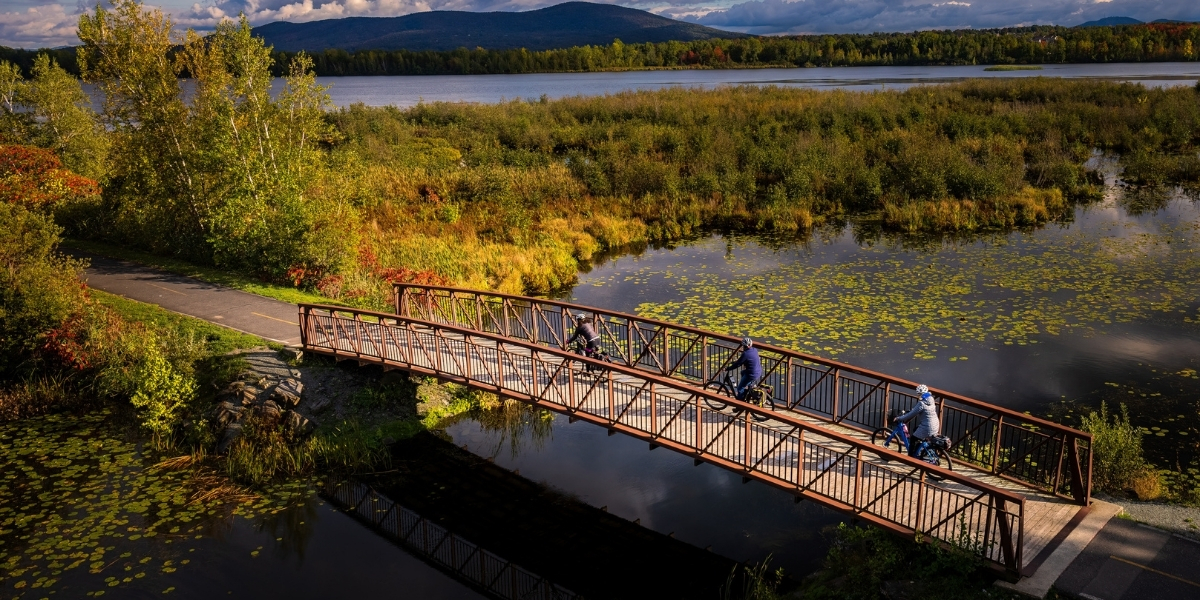
Fall colours on the Humber Valley Trail near Corner Brook, Newfoundland. Photo credit: Taryn Eyton
Reasons to love shoulder season
Since shoulder season isn’t peak season, the trails are quieter and it’s easier to find solitude (and to park at trailheads). It’s also a wonderful time to slow down and notice the changes in the natural world. Enjoy the bursts of colour from changing leaves in the fall. In the spring, look for the year’s first wildflowers blooming beside the trail.
It’s also easier to spot wildlife, thanks to seasonal migrations. Fall brings increased animal activity as they get ready for winter. It also provides ideal birdwatching conditions since there are fewer leaves to hide behind. Spring ushers in new life and the chance to spot nesting birds and other baby animals. Be sure to give wildlife plenty of space to maintain their natural behaviours. Use your camera lens or binoculars to get a better view instead of getting too close. In bear habitat, talk to warn bears of your presence, travel in groups and carry bear spray.
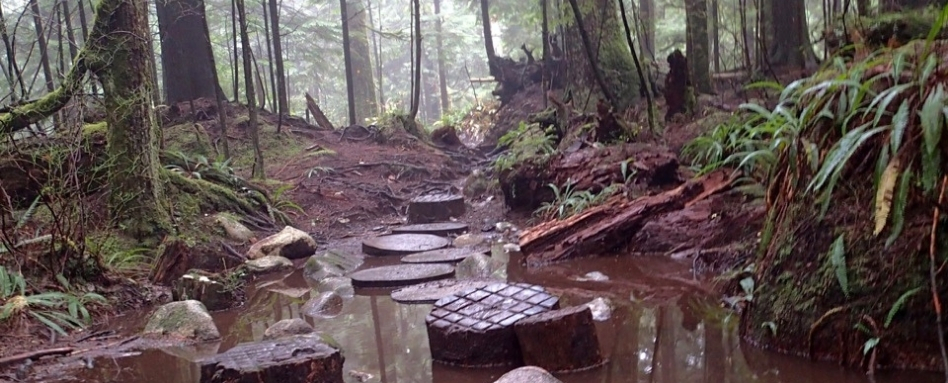
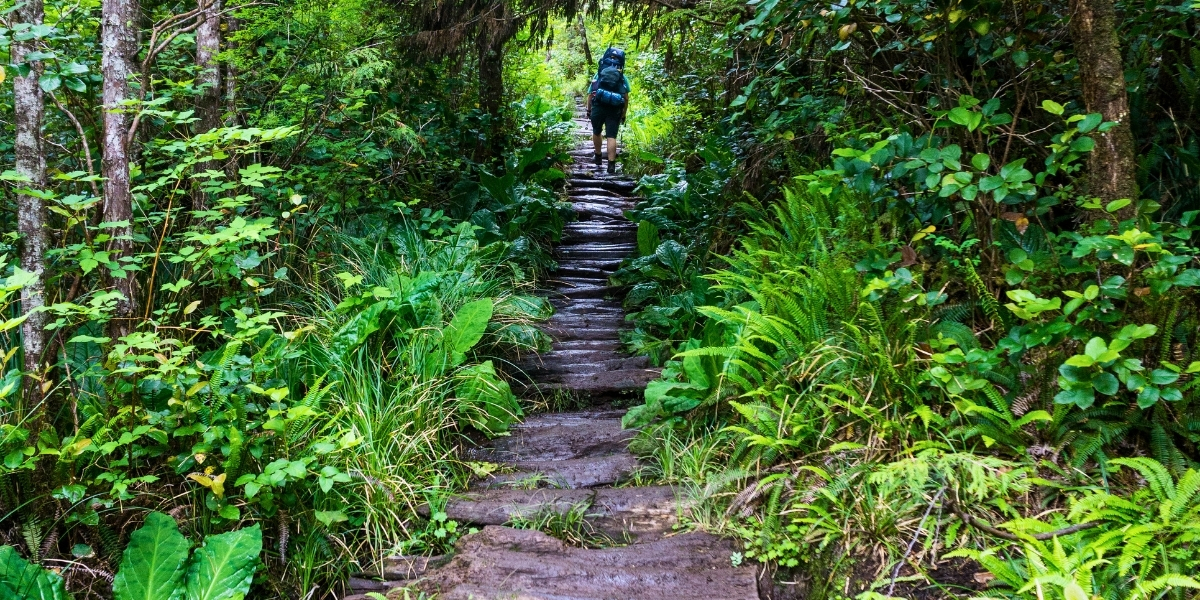
Soggy conditions on the Lynn Headwaters Loop Trail in North Vancouver, BC. Photo credit: Taryn Eyton
Where to go hiking and biking in shoulder season
Planning a hike or bike ride during shoulder season can involve a bit of research. Start by checking current conditions on park websites, with your local trail group, or by reading through recent reviews on apps like AllTrails. Be flexible with your itinerary, research alternative routes and be prepared to turn back if conditions aren’t favourable.
Stick to higher elevations and north-facing areas for consistent snow and winter-style adventures. Or choose low elevations and south-facing aspects for the best chance at snow-free conditions. Mid elevations and places with partial shade can have a mix of soft, melted snow, ice patches and mud that can make travel slow and difficult.
Speaking of mud, it can be a real hazard. When frozen ground melts, water builds up on the trails. Add in extra liquid from rain and melting snow, and trail surfaces can turn soft and spongy. When you walk or bike on that saturated ground, it can damage the trail surface, requiring expensive and time-consuming repairs by park staff or volunteer trail crews. If a trail is particularly muddy, give the trail maintenance workers a break and choose to hike or bike somewhere else.
Heavy rains and snowmelt can swell rivers and creeks in the shoulder season. It’s a great time of year to visit waterfalls or rapids. But use caution! Stay well back from stream banks and choose trails that have bridges, rather than ones that require creek crossings that can be dangerous.
What to pack in shoulder season
The unpredictable weather of shoulder season can have you sweating under the hot sun one minute and shivering in freezing rain the next. Dress in layers to cope with fluctuating temperatures and choose synthetic or wool fabrics that will keep you warm if they get wet (unlike cotton).
Use long underwear base layers next to your body, a fleece or puffy jacket for warmth as your mid-layer and a waterproof breathable jacket as an outer layer to protect from wind and rain. Don’t forget a toque and gloves to keep your hands and feet warm. Hopefully you won’t need all of your layers, but if the weather turns, you’ll be thankful you brought them.
Shoulder season can be soggy. To avoid wet feet, wear waterproof hiking shoes that will keep out rain, mud and snow. It’s also a slippery time of year. Slip-on traction spikes for your shoes can be a lifesaver on ice and snow, and are easy to stash in your backpack. If you don’t have strong ankles, high-top hiking boots and hiking poles can help you keep your balance on slick surfaces like ice, snow, mud, and fallen leaves.
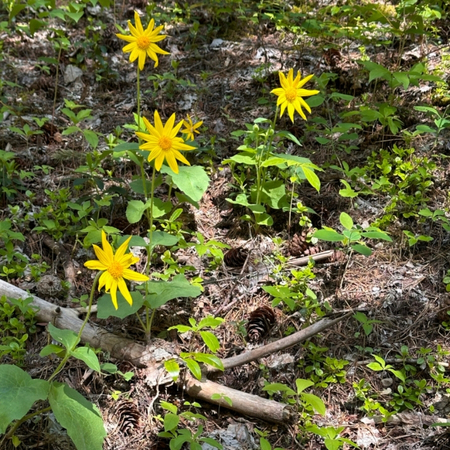
Arnica is one of the first spring wildflowers on the Sea to Sky Trail near Whistler, BC. Photo credit: Taryn Eyton
No matter what time of the year you get outdoors, it’s important to pack the 10 essentials. These are key pieces of equipment, like a first aid kit, that can help you out in an emergency. Shorter daylight hours during the shoulder season mean it gets dark earlier, especially on trails with heavy tree cover. Pack a fully charged flashlight or headlamp just in case your trip takes longer than you planned.
Taryn Eyton is a Squamish-based writer and the founder of the outdoor adventure website, HappiestOutdoors.ca. She is also the author of two hiking guidebooks: Backpacking in Southwestern British Columbia: The Essential Guide to Overnight Hiking Trails (Greystone Books, 2021) and Backpacking on Vancouver Island: The Essential Guide to the Best Multi-Day Trips and Day Hikes (Greystone Books, 2024). Taryn is a Leave No Trace Master Educator, the President of the Friends of Garibaldi Park Society, a member of the Board of Directors of the Vancouver International Mountain Film Festival, and a Fellow of the Canadian Geographic Society.
Follow her on Instagram at @happiestoutdoors or Facebook at https://www.facebook.com/happiestoutdoors.
About Trans Canada Trail
Stretching nearly 30,000 kilometres across every province and territory, the Trans Canada Trail is cared for locally by trail and community groups. As a charity, Trans Canada Trail advocates for and stewards this nationwide system, helping ensure people can keep finding moments in nature that support their wellbeing.
Our Disaster Relief funding stream, part of the Trail Catalyst Fund, provides rapid-response funding to repair and restore sections of the Trail damaged by natural disasters such as floods, wildfires and storms.
Donate today to help keep the Trans Canada Trail safe and accessible, year-round.
**
Find spring hiking safety tips, stories about trail sections near you and much more when you sign up to Trail Talk.
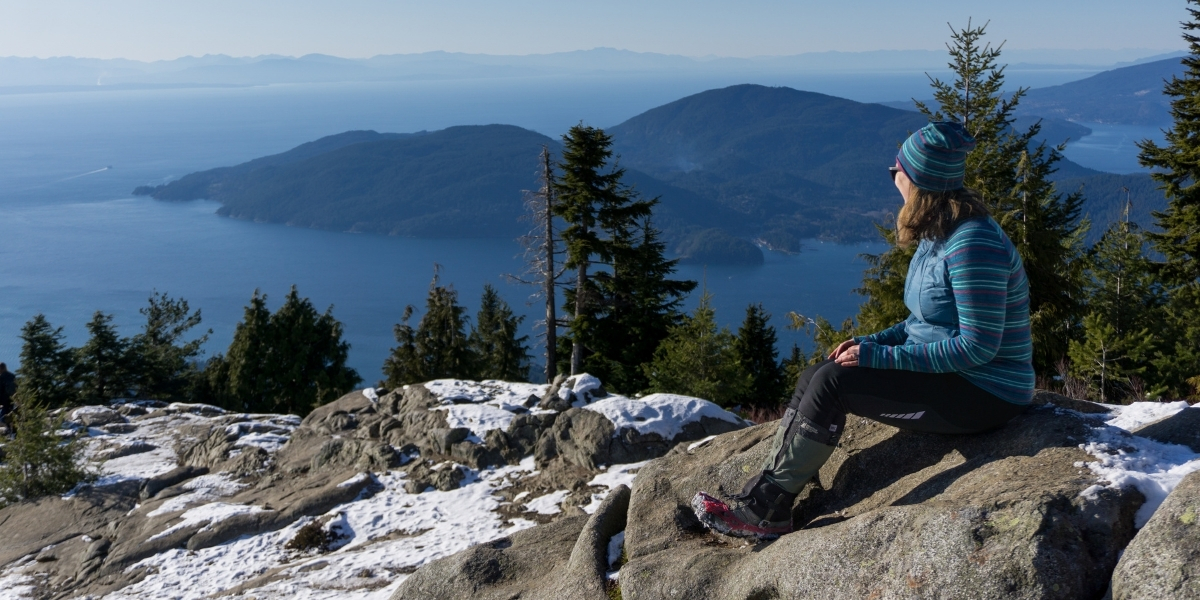
Main photo: A hiker wears microspikes to deal with icy fall conditions on the Eagle Bluffs Trail in West Vancouver, BC. Photo credit: Taryn Eyton