
How the Trans Canada Trail Supports Accessibility, Connection and Belonging

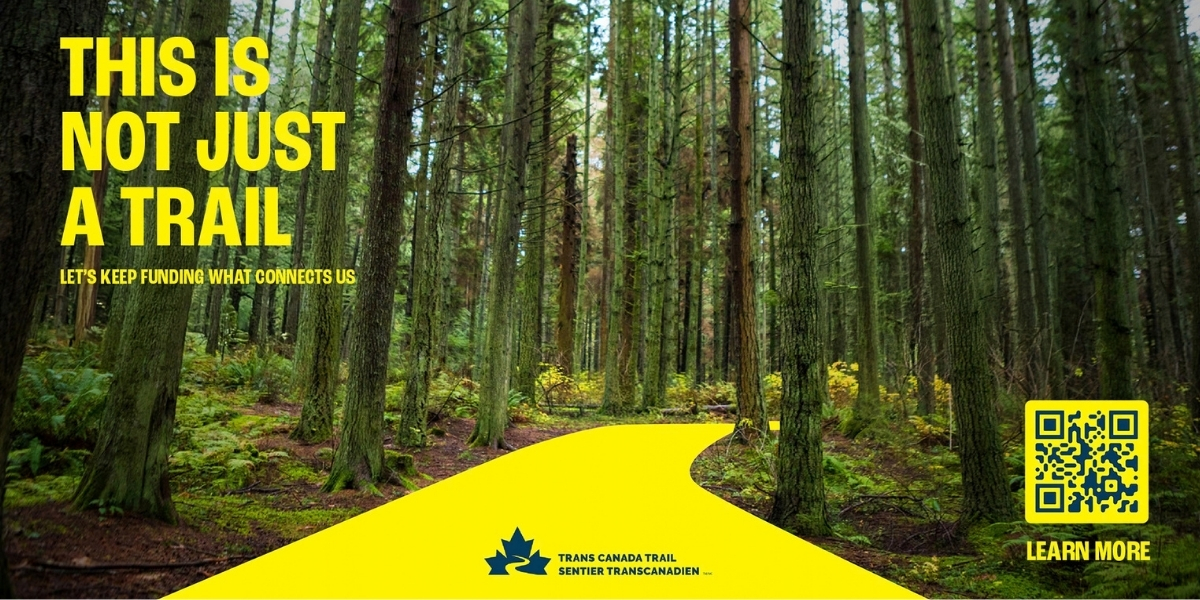
The Trans Canada Trail is more than a collection of pathways across the country. For thousands of communities, it offers gateways to diverse cultures and accessible outdoor experiences for all.
Thanks to steadfast funding from the Government of Canada, we have been proud to support hundreds of projects that enhance inclusivity and community connection. Find out more about these impacts in the projects below.
Sparking connection in Nova Scotia’s Forest of Hope
Developed as a place for remembrance and spiritual renewal, Potlotek First Nation’s Forest of Hope offers solace to community members and visitors all year round.
In December 2025, it hosted “Light Up the Night,” a holiday event that fostered belonging at what can be a difficult time of year for many. Over two evenings, hundreds of attendees explored the illuminated natural woodland on this Trail section. The inclusive event was supported by the band Chief and council and several local organizations, and it’s hoped that it will become an annual tradition.
This warm, family-friendly event, supported by community volunteers, is just one example of how the Trail provides important spaces for community events and gatherings.

Photo credit: Veronica Bernard
Training the next generation of trail developers in Yukon
As part of our national efforts to help youth gain practical experience the trail sector, we delivered a Trail Crew Training program in Carcross and Tagish, Yukon.
This hands-on program helped a group of young people build skills in safe, sustainable and respectful trail development. Over several days, participants learned about tool use and construction techniques, as well as Indigenous perspectives. The group, aged between 16 and 18, then put their skills to the test by installing new features on their walocal section of the Trans Canada Trail.
Initiatives like this – alongside our national Youth Employment Program (YEP) – show the Trail’s potential as a training ground for young people seeking rewarding careers in Canada’s outdoor recreation sector.
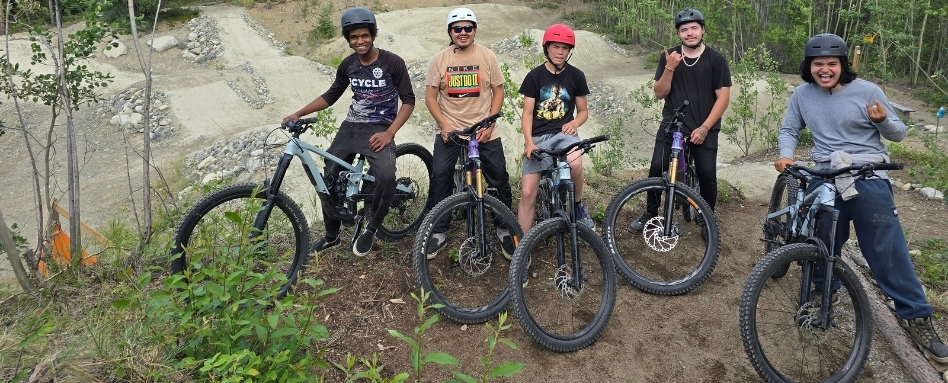
Photo credit: Village of Carcross
Building a more accessible trail in Quebec
Projects that create inclusive and accessible outdoor experiences for all have defined the Trans Canada Trail since its inception. One recent example in Pont-Rouge, Quebec, involved realigning a Trail section close to a centre for people with reduced mobility. Previously, it followed a sloping, winding route that posed a falling risk.
By relocating the pathway to a flatter, straighter route, clearing debris and ensuring it had an even surface, the Trail is now safer for older people and users of mobility devices.
Thanks to federal funding, we go beyond common accessibility standards and develop excellent Trail sections for visitors with a wide range of needs.
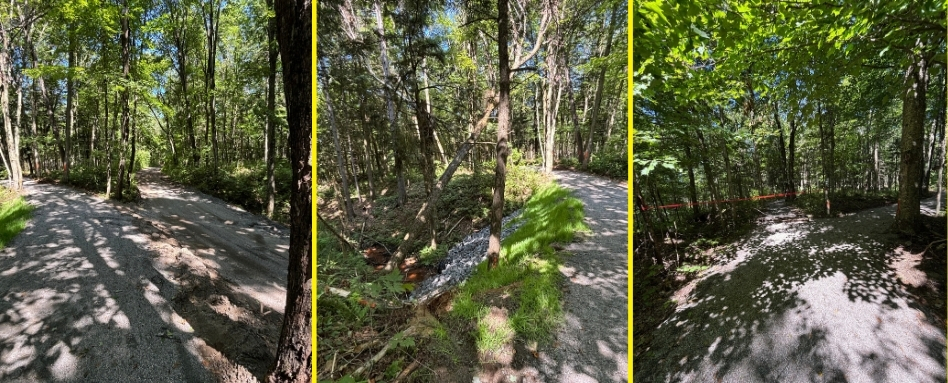
Photo credit: Sentier Dansereau
Celebrating millennia of Indigenous history in Saskatchewan
Nestled in the opimih?w valley above Saskatoon, Wanuskewin has been a gathering place and sacred site for more than 6,400 years. Today, it offers a gateway into this vibrant heritage with rich cultural programming.
After the Trans Canada Trail in Wanuskewin Heritage Park was damaged by erosion, Trans Canada Trail supported repair work and upgrades. These improvements smoothed and compacted the trail surface, making it easier for all visitors to reach landmarks and programming areas in the park.
Thanks to rapid upgrades funded by Trans Canada Trail, locals and visitors can stay connected to Wanuskewin and several other significant cultural sites across Canada.
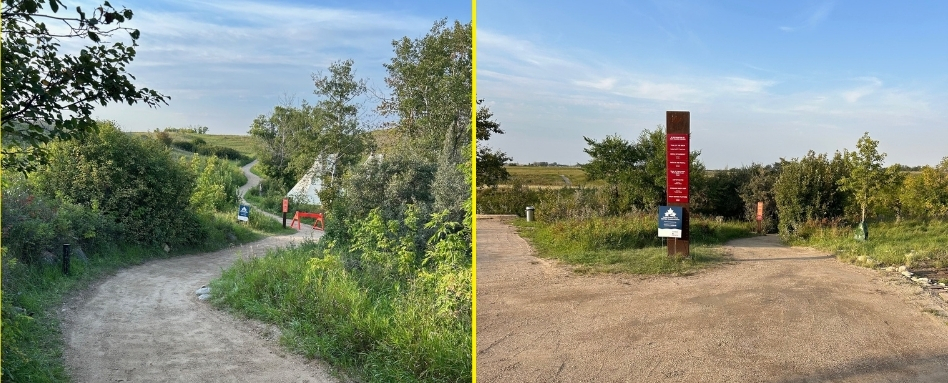
Photo credit: Wanuskewin Heritage Park
Cultivating community spirit with tree planting in Prince Edward Island
Through the Planting for Tomorrow program, Trans Canada Trail helps communities across the country plant native trees and shrubs that improve ecosystems and enhance biodiversity. In summer 2025, we provided funding for plantings at four sites in the town of Stratford, Prince Edward Island.
Over several days, 22 people volunteered to plant native deciduous and coniferous species. The group also established shrubs that provide sustenance to birds and pollinators. As they grow, the plants will provide shade to trail users and capture carbon from the air, helping to build climate resilience in Stratford.
Uniting town staff, volunteers and youth, the planting initiative demonstrated the Trail’s ability to foster volunteerism, community engagement and climate action.
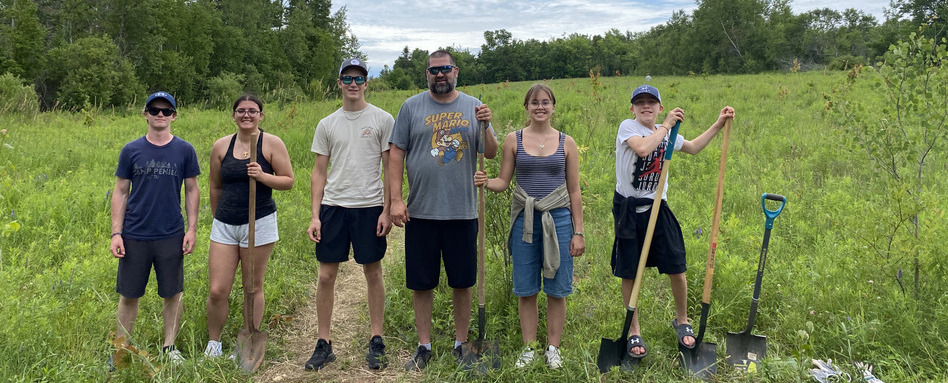
Photo credit: Town of Stratford
Boosting cross-border tourism in southern Ontario
From Quebec’s Véloroute Gourmande and the Great Northern Trail in Newfoundland, the Trans Canada Trail links with several iconic tourism routes across Canada.
This year, we were proud to support another: a Trail section in southern Ontario that will welcome visitors from both sides of the border.
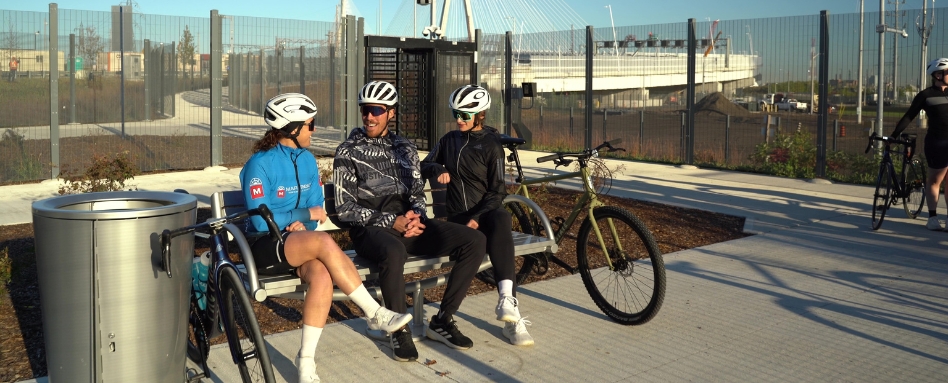
With support from Trans Canada Trail, existing cycling trails across the Windsor, Essex and Pelee Island region were enhanced. These improvements went as far as the Gordie Howe International Bridge’s multi-use pathway, making it the first international border crossing on the Trail!
This ambitious cycling project shows the potential of our Trail Destination Framework, which will support future destination development across the Trans Canada Trail.
A trail network that belongs to everyone
Over its 30,000-kilometre length, the Trans Canada Trail offers countless opportunities for everyone to make meaningful connections with their communities.
However, this essential public asset could be in jeopardy if its federal funding is not renewed in 2027. Today, you can be part of our national efforts to secure the Trail’s future.
Join our Not Just a Trail campaign and send a letter to your Member of Parliament calling for new support for the Trail. It only takes a few clicks, but your action will help generations of Canadians stay connected by the Trail.
For more information on the Trail’s impact across Canada, read our latest Annual Report.