

A Nature Lover’s Guide to Winter Photography
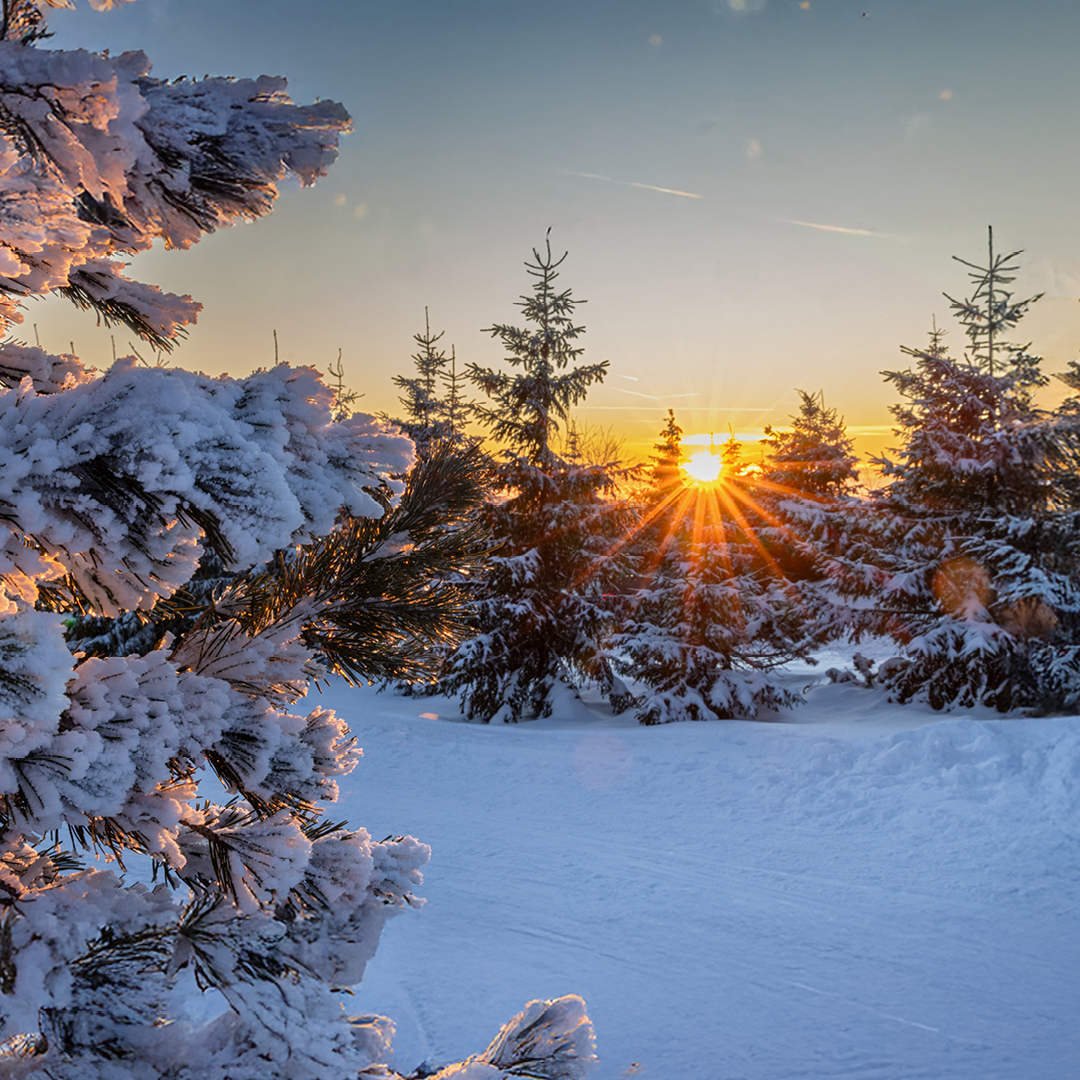
Winter offers a unique, breathtaking landscape that’s perfect for photography. Whether you’re capturing snow-covered trees, frozen lakes or wildlife in their winter habitat, here are some essential tips for taking stunning winter photos.
Embrace the light
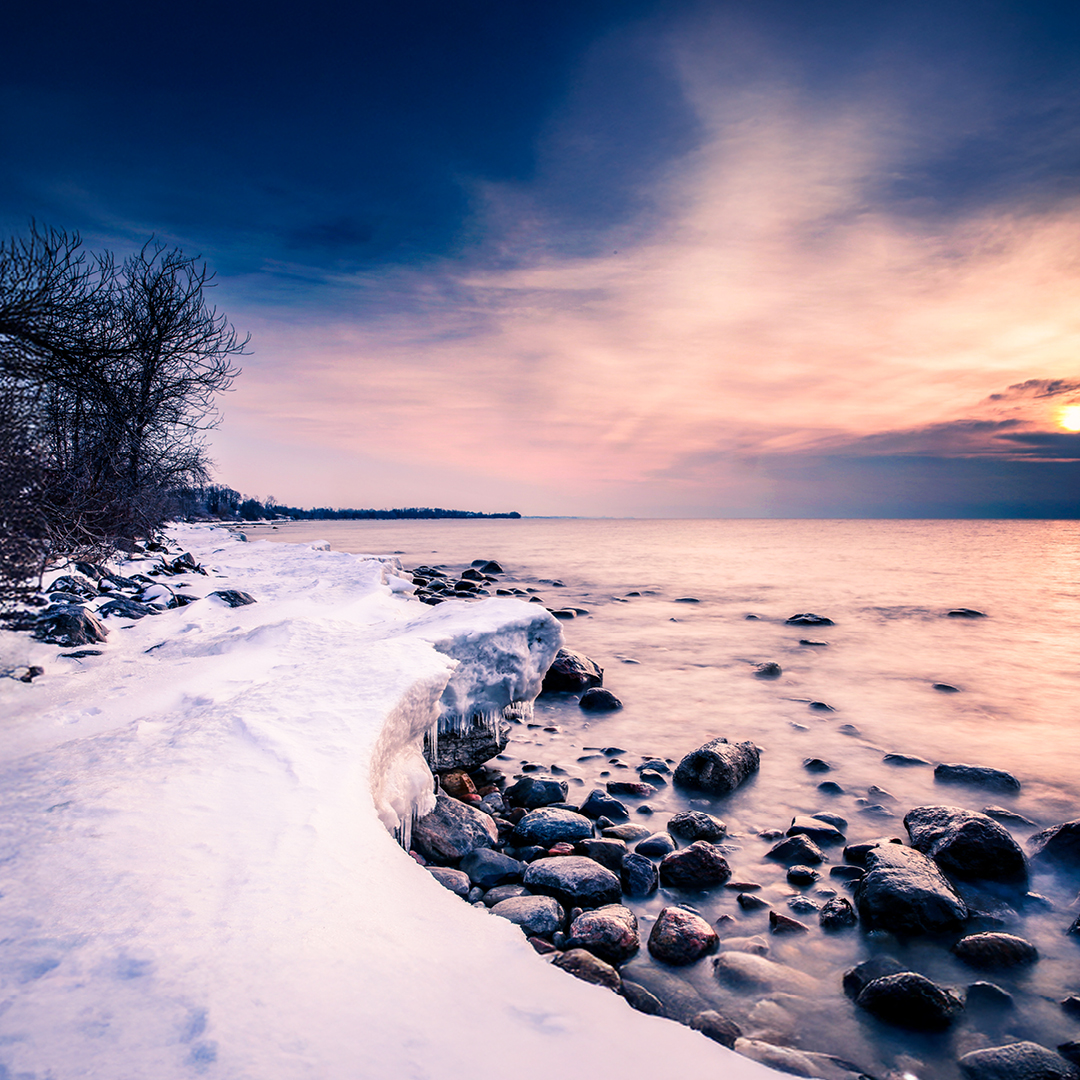
Winter sunlight is soft and diffused, making for perfect natural lighting. The best times to capture winter landscapes are during golden hour — just after sunrise or before sunset. The lower angle of light creates long shadows and highlights the textures of snow and ice.
Play with contrast
Snow creates stark contrasts in your photos, highlighting shapes and shadows. Try capturing dark trees against bright snow or wildlife against white backdrops to make your subject pop.
Adjust for snow
Snow can trick your camera’s exposure, making images look darker than they are. Increase your camera’s exposure by about 1-2 stops to get a crisp, bright image that shows the snow’s true beauty.
Capture the movement
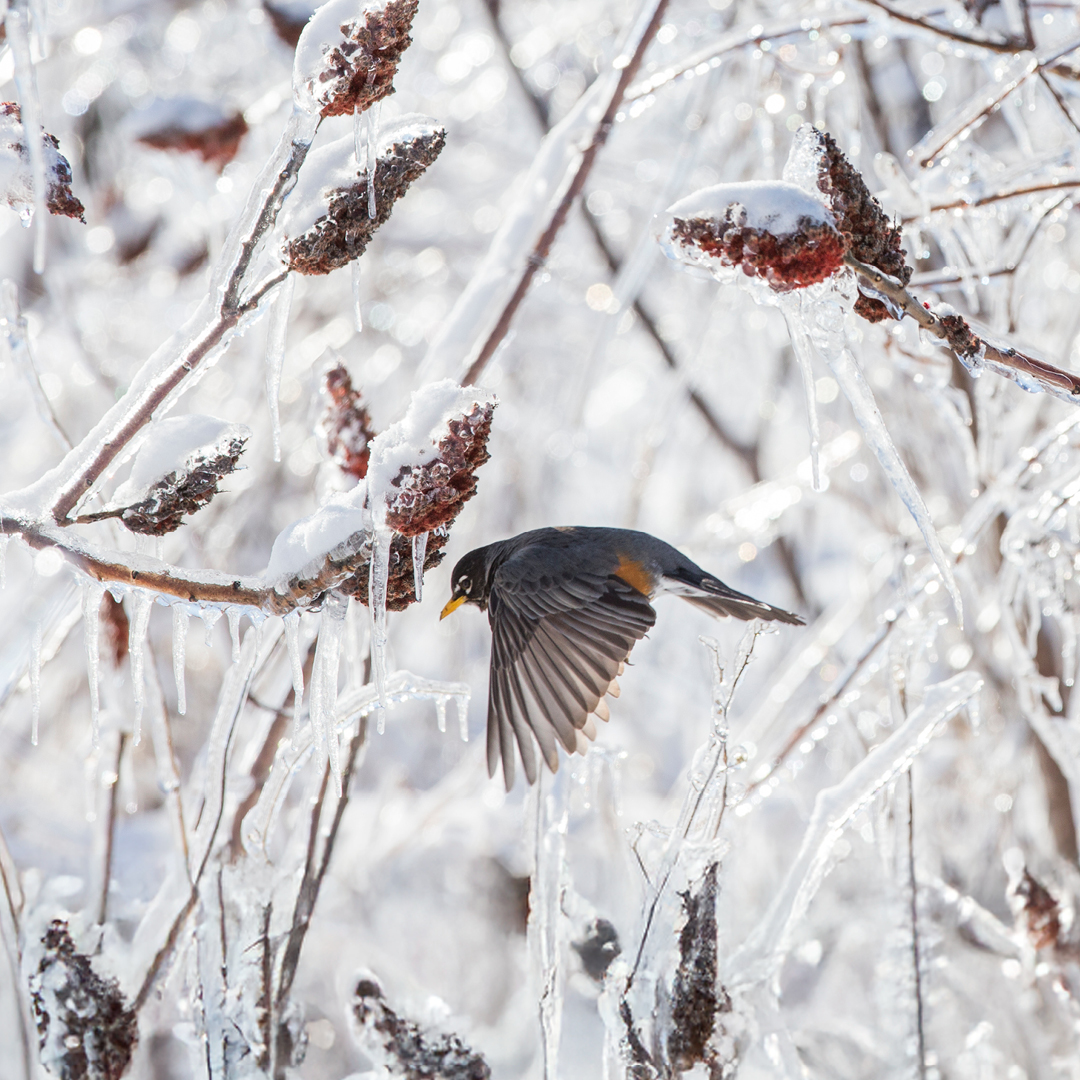
Winter wildlife is often in motion — whether it’s birds in flight or deer bounding through snow. Use a fast shutter speed to freeze the action or try a slower speed to capture the grace of movement.
Focus on details
Winter offers a wealth of small, beautiful details: frosty leaves, delicate icicles or animal tracks. Don’t forget to get close and focus on the little things — they often tell the most captivating winter stories.
With these tips, you’ll be equipped to capture the serene beauty of the winter world around you. So, grab your camera and start snapping!
Feeling blah?
Need some inspiration?
Try our #Blahs2Ahhhs25 Generator!
It’s our fun, interactive tool to spark ideas for your next “ahhh” moment in the great outdoors.