
A Cross-Country Journey on the Trans Canada Trail

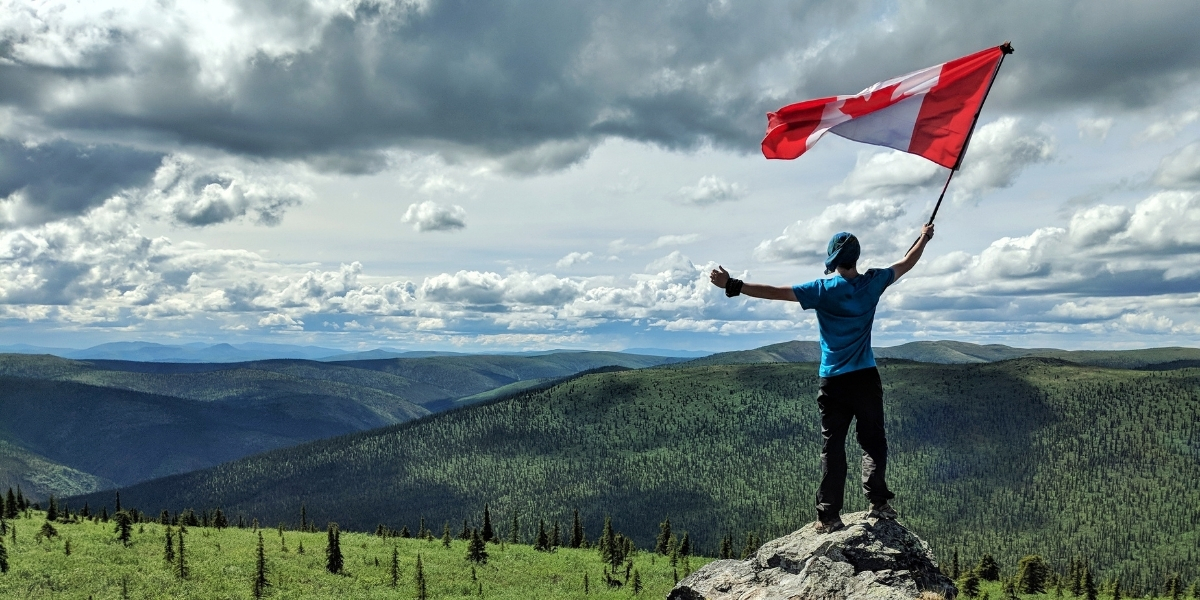
A Q&A with Aidan Beckett
From Lake Superior swells to Arctic winds, adventurer and long-distance explorer Aidan
Beckett travelled from coast to coast to coast over the span of eight and a half years, to every province and territory. Along the way, he paddled vast northern rivers, trekked tens of thousands of kilometres, and moved through seasons, landscapes and communities in a way few ever will. Trans Canada Trail’s Social Media Lead, Meggie Carrier, spoke to Aidan about his experiences and reflections along the Trail.
Meggie (MC): When you first set out, Canada must have felt impossibly big. Was there a moment when the idea of crossing it by foot shifted from “impossible” to “I’m actually doing this”?
Aidan (AB): When I first set out, it didn’t feel impossible at all — I had spent months researching, planning and convincing myself that the walk made sense on paper. But once I actually began, reality came in waves.
The first big moment was in Hope, BC, when a wildfire forced me off the Trail. That break in continuity hit me hard — it was the first time I felt the true scale of what I was attempting.
But the real turning point came after I finished kayaking Lake Superior and Lake Huron. It was the hardest thing I’ve ever done, mentally and physically. Once I got through that, something shifted. The journey stopped being “I hope I can do this” and became “Nothing is going to stop me.”
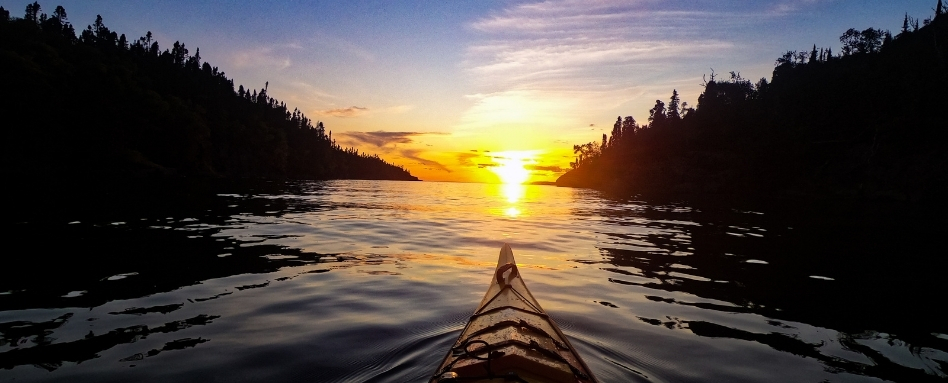
Photo credit: Aidan Beckett
MC: The Trans Canada Trail connects thousands of communities and landscapes (cities, forests, coastals). Which stretch of the Trail surprised you the most, and why?
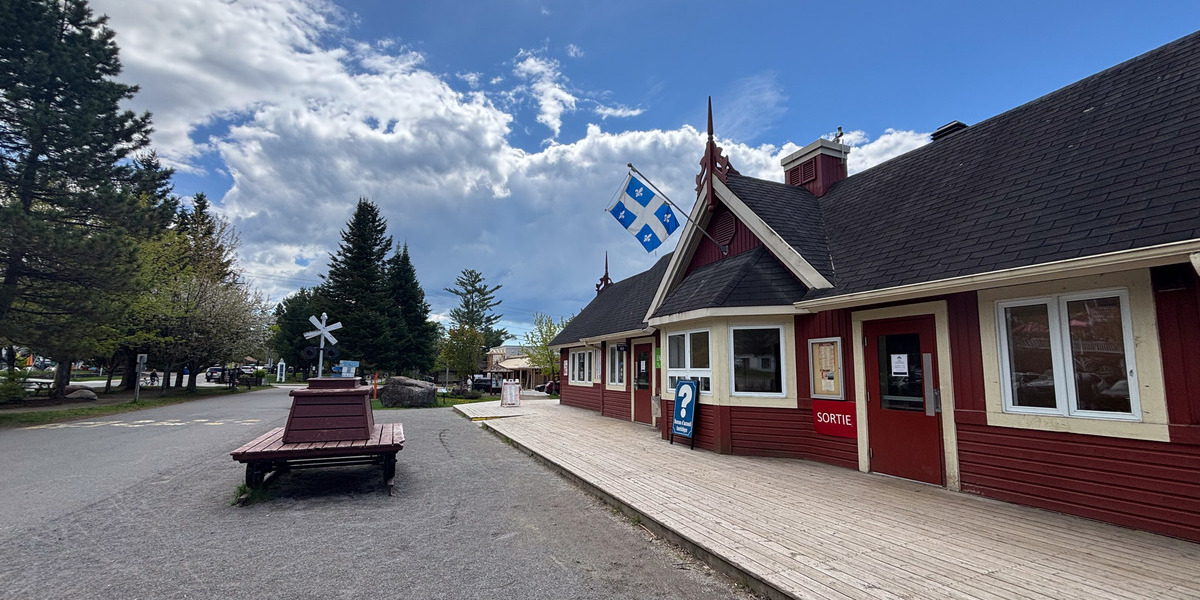
AB: Quebec — by a landslide. I didn’t know what to expect, but everything about it blew me away: the landscapes, the forests, the rolling hills, the river valleys, the communities, the character.
People call Quebec the European part of North America, but honestly, that sells it short. It doesn’t feel like anywhere else; it feels entirely its own. The smaller towns especially completely won me over.
MC: What did a typical day look like for you, from sunrise to setting up camp? And what’s one small, ordinary moment that still sticks with you?
AB: My days were simple in the best possible way.
I’d wake up in my tent, make tea and porridge, pack down camp and walk for two to three hours before “lunch one.” I always split my lunch into two smaller meals; it kept my energy steady. In the afternoon, I had a “power hour” of music or a podcast, but only one hour so I wouldn’t disconnect from the moment. Before sunset, I’d look for a campsite, set up my tent, make dinner and call whichever family member was on rotation.
And I’d always end the day with a quiet moment, tea in hand, reflecting. That little ritual kept me grounded through everything.
Photo credit: Aidan Beckett
MC: You travelled across Canada using different modes of transportation. Which mode of transport made you feel the freest, and how did it impact the way you experienced the country?
AB: Walking gave me the purest freedom. No logistics needed, no equipment to worry about, just me and my pack. That flexibility is why I didn’t bike the whole thing. Walking kept everything fluid.
But paddling was where my sense of connection was strongest.
Even though Lake Superior was brutally demanding, paddling into a town felt like being instantly welcomed. People came down to the dock, curious, excited and eager to hear about the journey.
MC: Big journeys have a way of shifting our sense of time and distance. After crossing an entire country, how do you measure “far”?
AB: At around 45,000 kilometres, ChatGPT once told me I’d travelled about 10 per cent of the way to the Moon — and roughly the same distance as the ISS orbits Earth. When space metaphors become your only points of reference, you realize how big the journey really is. But my sense of distance never snapped into place. What did change was my sense of possibility. “Far” doesn’t intimidate me anymore. The world feels huge, but also incredibly open.
Photo credit: Aidan Beckett
MC: Spending so much time outside means the land becomes a companion. Was there a sound, scent or small detail that stayed with you throughout the journey?
AB: The seasons. Living outside, you watch the year turn in slow motion — summer into fall, fall into winter, winter into spring. I’ll never forget the first snow, the glowing piles of autumn leaves or the first wildflowers pushing through in spring. The seasons felt like characters walking alongside me.
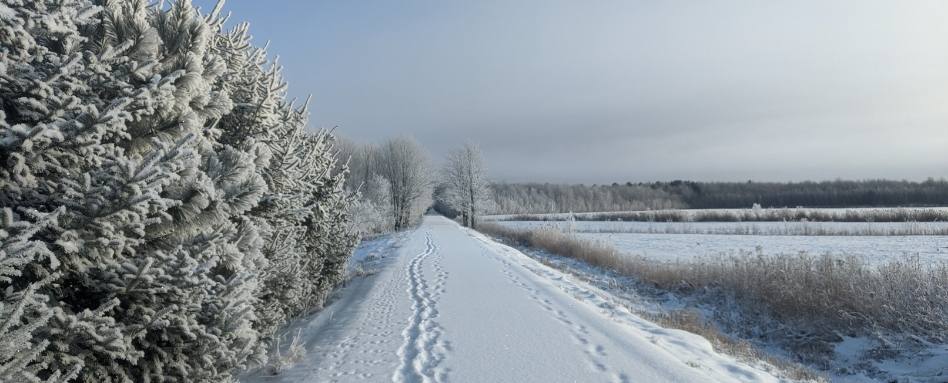
Photo credit: Aidan Beckett
MC: Weather can be a character of its own. What’s the most memorable weather moment you experienced, and how did you adapt?
AB: A two-day lightning storm in Southern Manitoba. There was nonstop thunder, hail and sideways rain. I was camped safely, but instead of hiding in the tent, I spent half the storm with my head sticking out, getting drenched, staring up at the sky like a kid. It brought me straight back to childhood in Saskatchewan. It wasn’t about endurance as much as it was about presence.
MC: The Trail is like the country’s backbone, connecting people, nature and communities. What did your journey teach you about the kind of country we want to be?
AB: The Trans Canada Trail really does feel like the backbone of both my journey and the country.
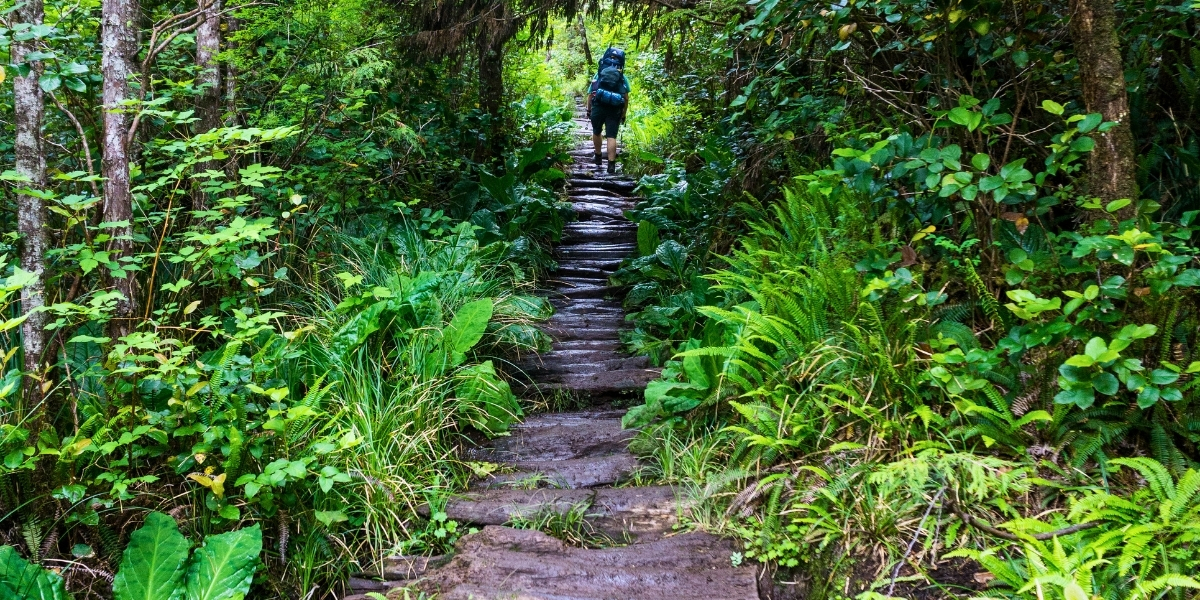
It follows old railway beds, portage routes, coastal paths, and Indigenous travel ways that existed long before Canada. Walking it feels like moving through layers of history in real time. And everywhere I went, people echoed the same sentiment: “There’s still a lot of good out there.” The Trail reminded me of that again and again.
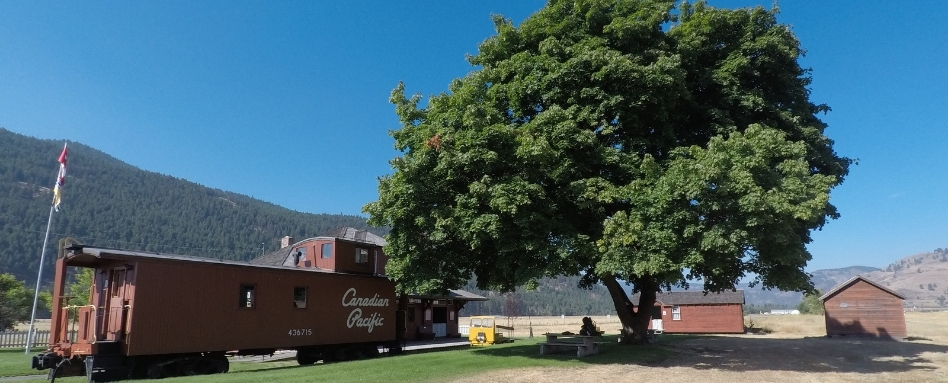
Photo credit: Aidan Beckett
MC: After walking thousands of kilometres, what stays with you now? Is there a feeling, habit or lesson you’ll carry for the rest of your life?
AB: Honestly, I’m writing a whole book to answer this. But here are some of the biggest takeaways:
A quiet self-confidence — the kind that grows from doing hard things.
Gratitude — for nature, people, timing and luck.
And a belief that nothing is impossible anymore.
The Trail didn’t just change my life — it changed me.
MC: You’ve experienced the Trail on an epic scale. But exploration can start in your own backyard. What would you say to encourage people to discover their own local section of the Trans Canada Trail?
AB: Start close to home. Go to that place you’ve always been curious about, even if you don’t have a “good reason.” You should still go.
Across Canada, people kept saying, “I’ve always wanted to go there, but I haven’t yet.” Make the day happen. Your local section of the Trans Canada Trail is the perfect place to start.
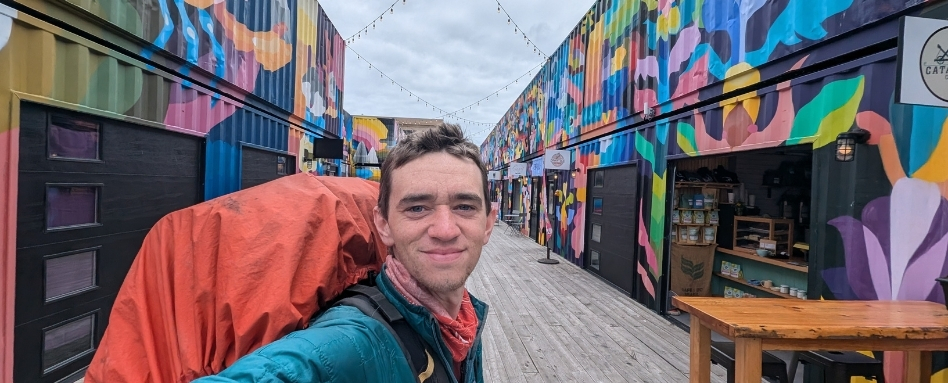
Photo credit: Aidan Beckett
Aidan Beckett is a Canadian explorer forged by a human-powered journey from coast to coast to coast. Crossing the country on foot, he developed a deep reverence for wild spaces and the resilience to move through uncertainty. A dedicated hiker, climber, kayaker, and paraglider, he continues to seek perspective in the mountains, along the coastlines, and skies above them. As he prepares to pursue university studies, he remains committed to pairing education with exploration, learning from both the land and the people who call it home.
Explore Trans Canada Trail’s interactive map and find great tips in the FAQ! Read more about Aidan’s cross-country hiking trip on the Trans Canada Trail here.
About Trans Canada Trail
Stretching 30,000 kilometres across every province and territory, the Trans Canada Trail is cared for locally by trail and community groups. As a charity, Trans Canada Trail advocates for and stewards this nationwide system. We support community-led trail projects through the Trail Catalyst Fund and we share reliable trail knowledge through the Centre for Trail Excellence.
The Trans Canada Trail is not just a trail. It’s 30,000 kilometres of national infrastructure from coast to coast to coast. Help protect what connects us — visit our campaign page to send a letter to your MP and share why the Trail matters to you.
Main photo credit: Aidan Beckett