
Shel’s Trans Canada Trail: Get Ready for a Winter Hike

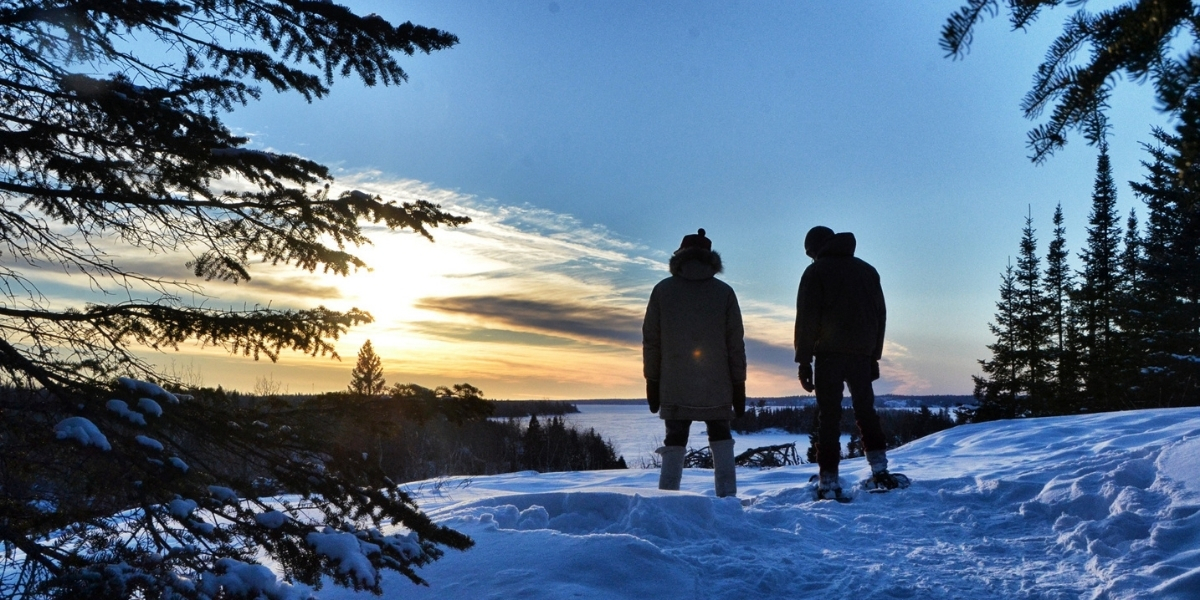
For the love of layers
Written by Shel Zolkewich
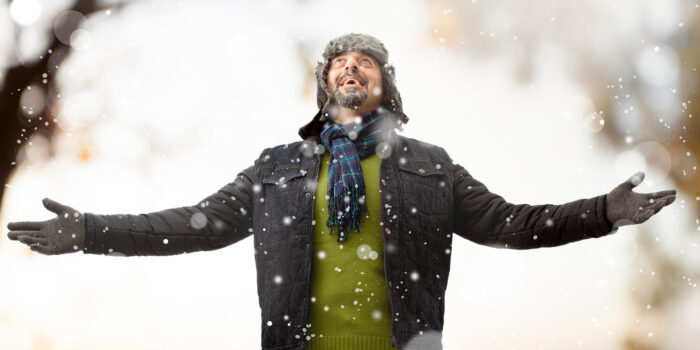
The sparkling season has settled in across Canada. Crisp air, bluebird skies and on many trails, snow! Hiking the Trans Canada Trail in winter offers a completely new view of your favourite path, so don’t let the season go by without a look. Check out our tips for getting ready for your winter hike.
If there’s one thing we can count on across Canada, it’s variable weather. On any given day, the Cowichan Valley Trail in British Columbia is going to be very different from the White Butte Trails around Regina, Saskatchewan. But even a single trail, like the Pigeon River Trail near Thunder Bay, Ontario, can offer up near thawing temps one day and a deep freeze a few days later. The answer to all of this, when it comes to preparing for a winter hike, come in a single word: layering.
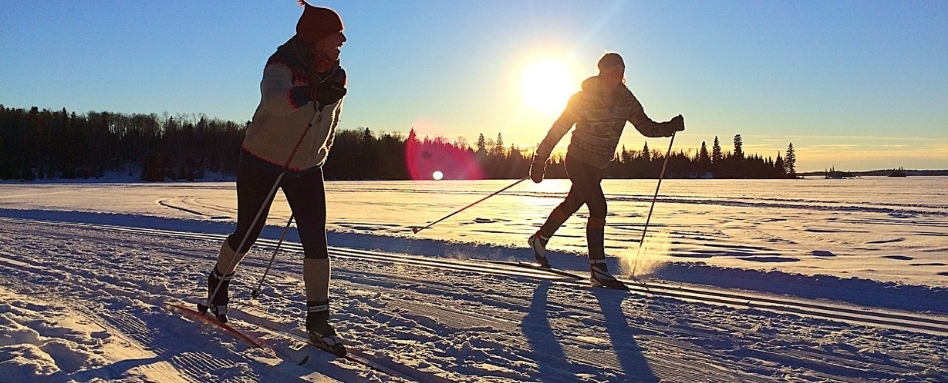
Photo credit: Shel Zolkewich
The Critical Baselayer
Keeping dry is just as important as keeping warm, and a quality baselayer will go a long way on both counts. There’s something nostalgic about sporting those cotton thermal long underwear pieces from days of old. And nostalgia will lead us directly to a miserably damp and cold experience. Here’s why. We sweat. Cotton sucks up all that moisture and holds it against our skin. We get cold. We get miserable. It’s time to ditch the cotton in favour of fabrics that offer a little more performance.
Merino wool is soft, comfortable and ridiculously warm. Plus, it has a magical property of smelling fresh even after many sweaty outings (you’ll hear me mention merino wool as we go along, like the proverbial broken record). Synthetics, like polyester, do a great job of keeping you warm and dry. The downside is that they don’t have that cozy feeling when you first slide them on, they suck up and hold body odour and have to be washed after every wear.
Midlayers and Shells
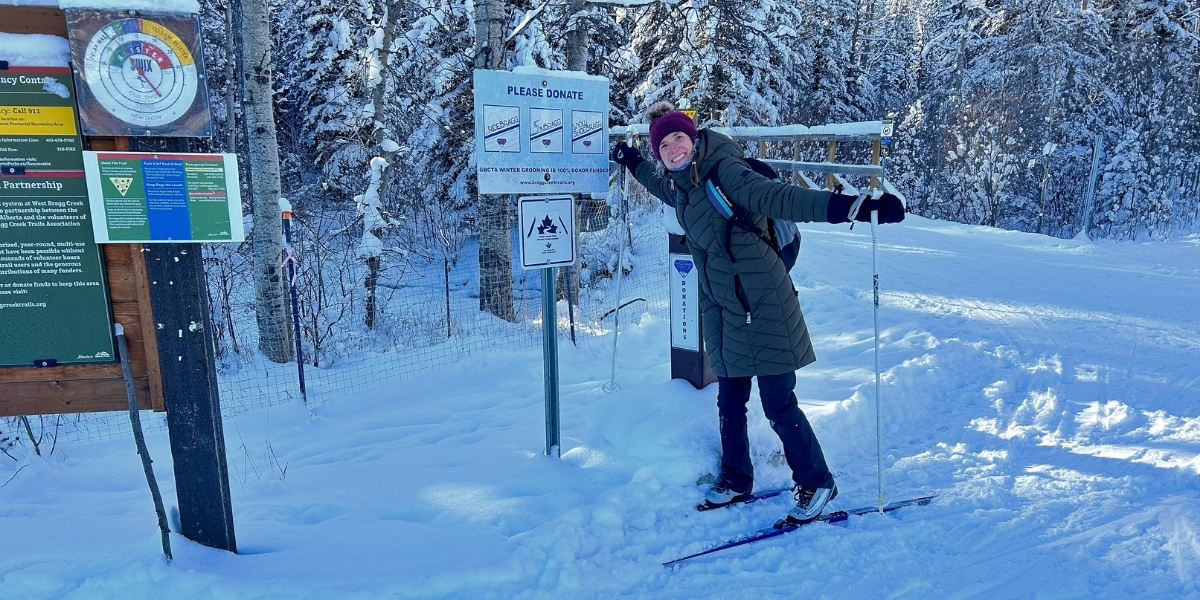
The midlayer is all about insulation and can come in the form of a wool sweater, a fleece hoodie, a puffy vest or a down parka—or a combination. You’ll have to do a little experimenting here to find your best comfort level depending on temperature and exertion level. A down parka is probably out of the question unless your hike if very short and you run very cold. The good news is that you can remove a layer as you warm up—and that’s the beauty of a layering system.
A shell will keep out wind and in warmer climates, water from showers. When you’re choosing a shell, be sure to pick one that’s also breathable. These fabrics have been treated with a coating that stops water from coming in but allows water vapour (sweat) to escape. Vents in the back and under the arms also help.
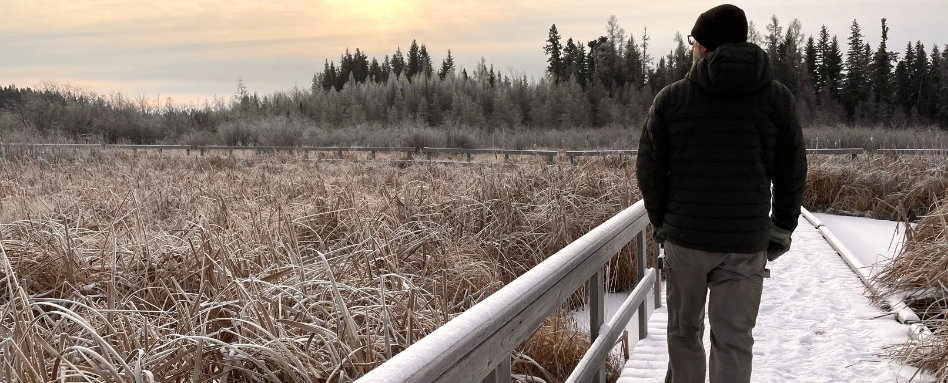
Photo credit: Shel Zolkewich
Don’t Forget Fingers and Toes
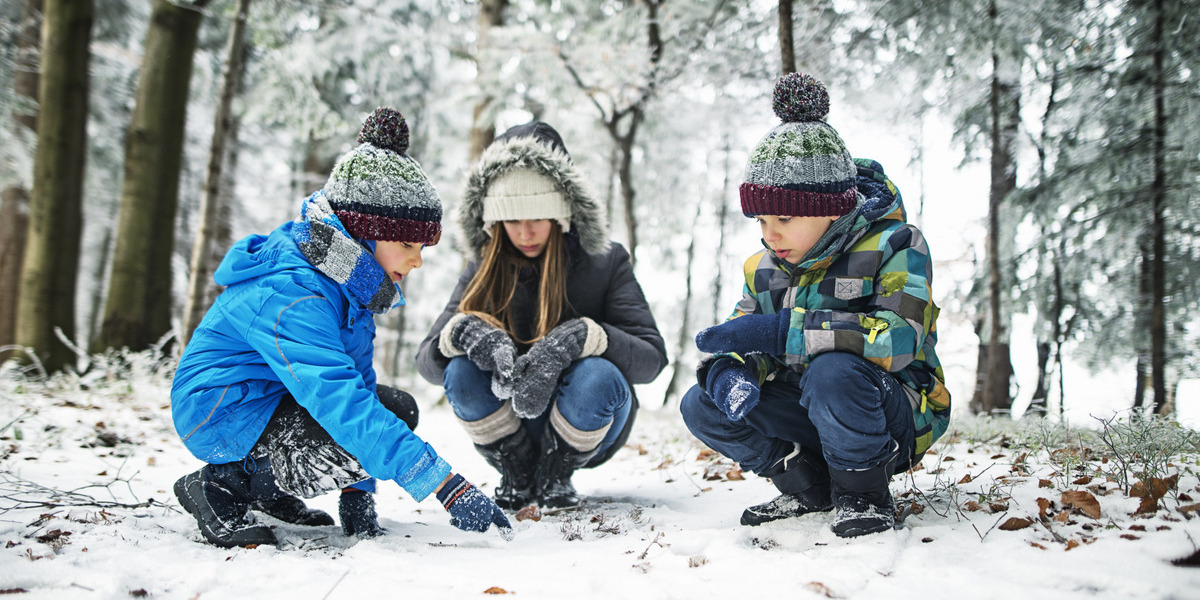
I’ve been on many a winter excursion where people are highly uncomfortable because of freezing fingers and toes. The culprit is usually cotton mitts and socks. On your hands, opt for the two-layer approach starting with a merino wool liner glove, followed by a hefty mitten. You can slide off the mitts if you want to snap a photo and your hands will still be protected by the glove layer.
On your feet, invest in merino wool socks. Period. Your hikers are the best choice as long as they are waterproof. With physical activity, your feet will warm up, causing any accommodated snow to melt and seep in if you don’t have waterproofing. Wet and cold is the worst.
And that old myth about losing 70 per cent of your body heat through your head? Busted! Your head will lose just as much heat as any other body part that’s not covered, so grab a good toque, headband and buff to stay toasty.
Pack a Daypack
Staying hydrated is just as important in winter as it is in summer, even though that thirsty feeling can be diminished. A regular water bottle in your daypack shouldn’t freeze, but if you’re on a longer, colder hike, use your insulated tumbler. It’s nice to bring along a hot beverage too, but remember that liquid adds weight to your pack. Snack bars, a pair of binoculars and extra merino wool socks (usually for hiking friends) are always in my pack. Pick a pack that has enough room for clothing you shed your layers on warmer hikes.
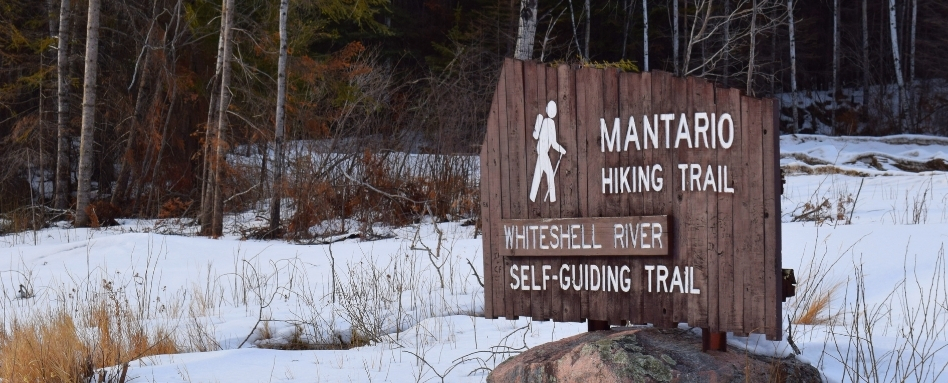
Photo credit: Shel Zolkewich
And Always
Share your plans with a trusted friend and let them know when you’re back at home.
Remember that a little planning can go a long way when it comes to enjoying the great outdoors any time of the year. Organize a group hike, make a date with an old friend, take your doggie for a healthy walk and always, always remember to take some deep breaths of that fresh air and have fun!
**
A journalist by trade and an adventurer at heart, Shel writes regularly about adventure, travel and food in the Winnipeg Free Press, Canadian Geographic, explore magazine, Travel Life Magazine, CAA, Lonely Planet, Matador Network and The Toronto Star. She has a deep affinity for the snow and cold, but won’t say no to a couple of days in a Mexican fishing village photographing the morning’s catch. She’s an avid forager, gardener, hunter, angler, cook and food stylist who makes her home on a farm in central Manitoba, Canada. Follow her adventures on Instagram @shelzolkewich.
Getting outside is good for your inside! Find winter hiking tips and much more at tctrail.ca/blahs2ahhhs/.
At Trans Canada Trail, we advocate, steward and champion Canada’s nationwide trail system, providing leadership and guidance, funding and resources, outreach and engagement. We work to expand access to nature, improve visitor experience, and ensure people across Canada can safely enjoy outdoor spaces for generations to come.
Main photo credit: Shel Zolkewich