
Five Places Along the Trans Canada Trail to Learn About Indigenous History and Culture

From coast to coast to coast, the Trans Canada Trail connects people to some of the places that have been home to Indigenous Peoples since time immemorial. In many cases, these routes served as travel corridors and gathering places.
June is Indigenous History Month, and it’s an opportune time to learn more about Indigenous histories, culture and knowledge systems.
Below are some suggestions for trail sections and historic sites along the Trans Canada Trail that provide opportunities to learn more about Indigenous cultures and histories. This list is a small sampling of the countless locations across the country where you can learn more about Indigenous history, both on and off the Trail.
Pêmiska Tourism
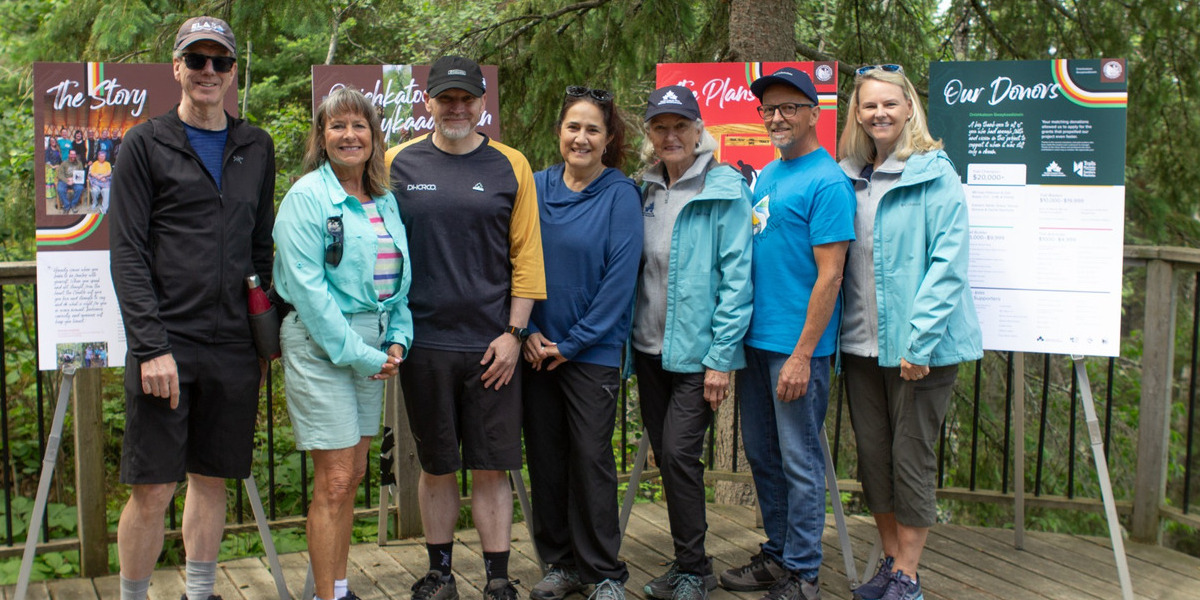
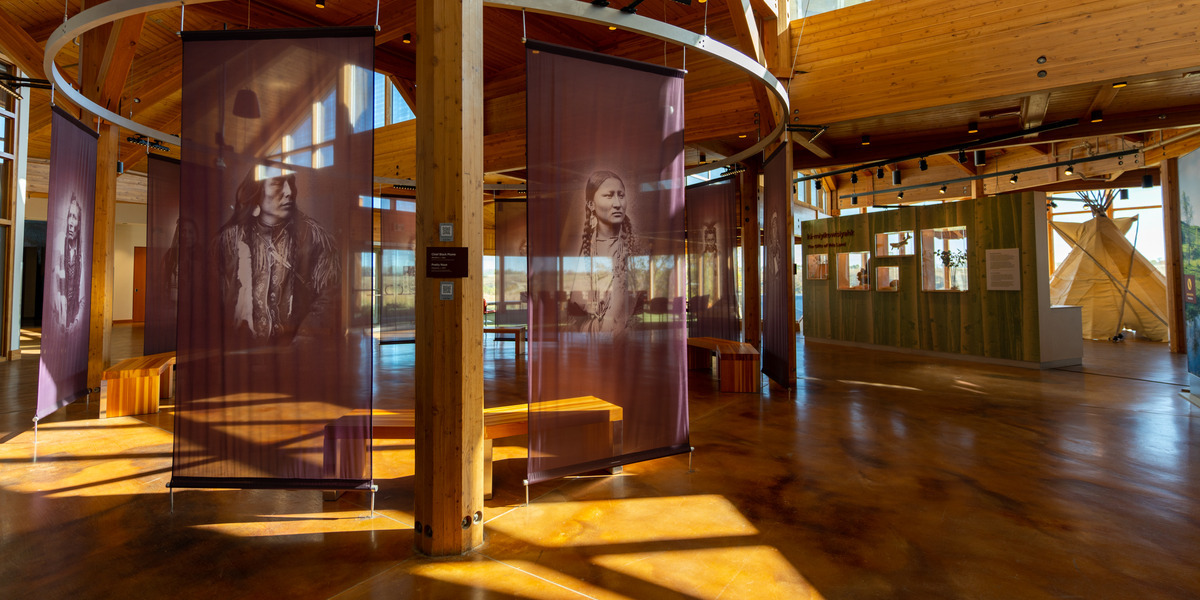
Located on Beardy’s & Okemasis’ Cree Nation in Treaty 6 Territory, Pêmiska Trail takes its name from the Cree word that means “come and find it.” At the Duck Lake Regional Interpretive Centre, visitors will find information about both Duck Lake and Batoche, two significant sites from the North-West Rebellion of 1885, and the lasting impact for the people of Beardy’s Nation and others living in the area.
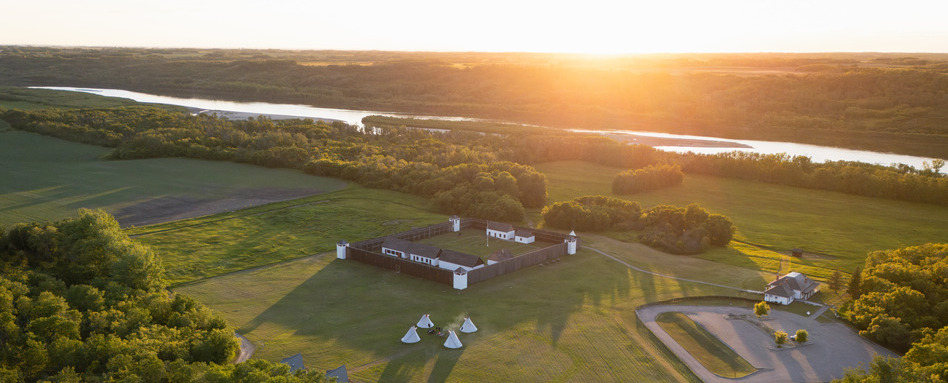
Photo credit: Pêmiska Tourism
Beardy’s & Okemasis’ Cree Nation is home to four National Historic Sites:
• Fort Carlton, where Treaty 6 was negotiated and signed
• The Battle of Duck Lake National Historic Site of Canada
• The grounds of the former St. Michael’s Indian Residential School at Duck Lake
• The Titanic, the site marking the signing of Treaty 6
Pêmiska Trail – on the Trans Canada Trail – is part of an offering from Pêmiska Tourism, which includes culinary, recreational and cultural experiences on Beardy’s & Okemasis Cree Nation. Extend your stay at one of their incredible overnight lodges to fully experience the area.
Trail section: Pêmiska Trails, Saskatchewan
Wanuskewin Heritage Park
Wanuskewin is the nehiyawewin (Plains Cree) word that roughly translates as “seeking peace of mind.” It has been a sacred site and gathering place for millennia. The Wanuskewin Heritage Park is open to visitors, and features exhibits about the region’s history, culture, ecology and much more.
Visitors can walk interpretive trails, learn about archaeological discoveries and participate in Indigenous-led cultural programming. The Heritage Park offers guided tours for those who can visit in-person, and virtual tours for those who are farther away.
In December 2019, Wanuskewin partnered with Parks Canada to welcome bison back to their original habitat, after Plains bison had disappeared from the land, in what is considered to be an intentional slaughter by European colonizers. Today, bison can be spotted on the grasslands at the Heritage Park – and what’s more, the bison’s presence is helping to restore native grasses in the area.
Trail section: Meewasin-Wanuskewin Trail, Saskatchewan
Bebamikawe Memorial Trail
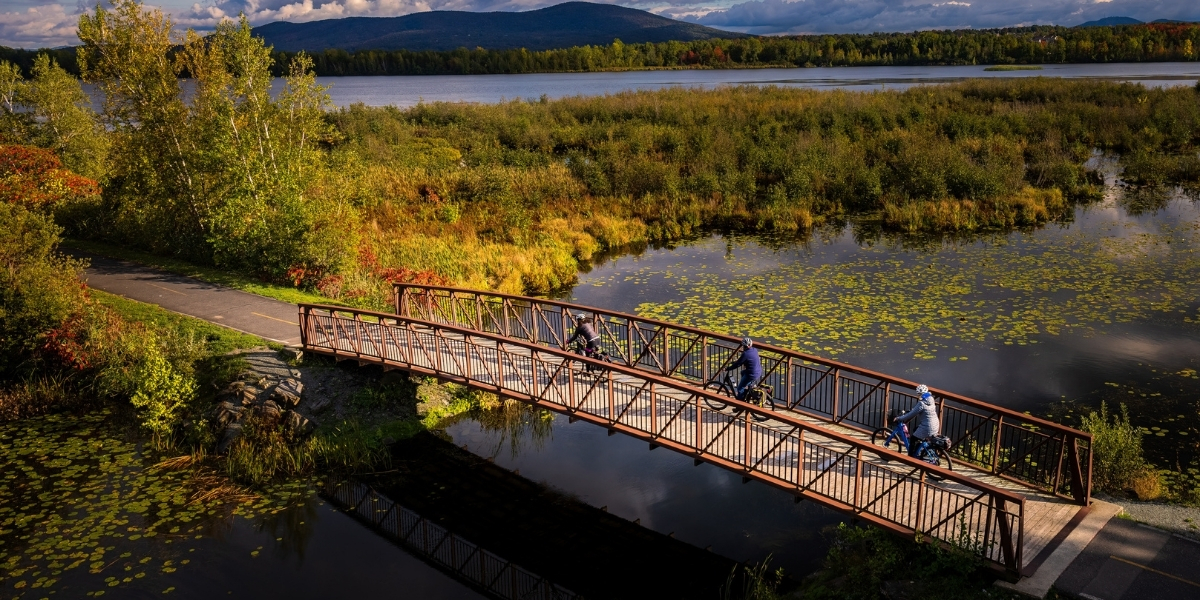
The Bebamikawe Memorial Trail is located on Odawa Mnis, or Manitoulin Island, in Wiikwemkoong Unceded Territory. Operated by Wiikwemkoong Unceded Territory, the trail spans 14 kilometres on the Niagara Escarpment with a stacked loop structure.
The trail offers awe-inspiring views of Georgian Bay and Lake Huron, and several opportunities to learn about Anishinaabe history and knowledge.
Trail users can embark on the Odawa Interpretive Experience, starting out from the seven clan dodems to ascend the Warriors Trail, a 2.2-kilometre hike that offers the opportunity to learn about the history and ecosystems of the via interpretive panels.
Wiikwemkoong Tourism offers several other experiences, on or off the Trail: an outdoor culinary experience, guided hikes, paddling and cultural tours, and more.
Trail section: Bebamikawe Memorial Trail, Wiikwemkoong Unceded Territory, Ontario
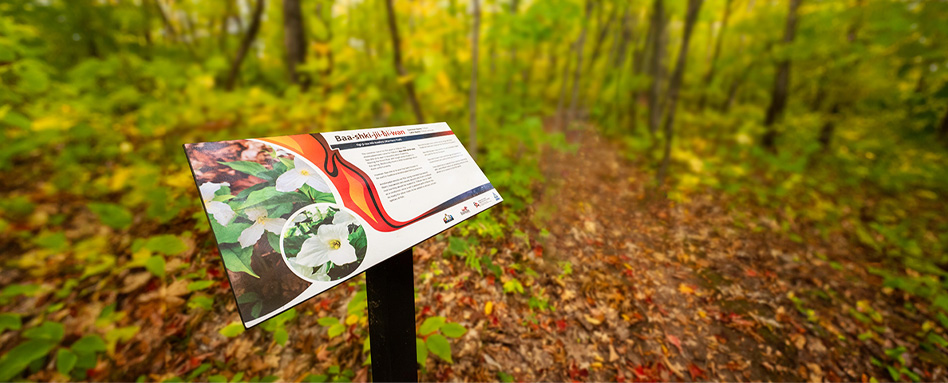
Photo credit: Peter Baumgarten
Hôtel-Musée Premières Nations
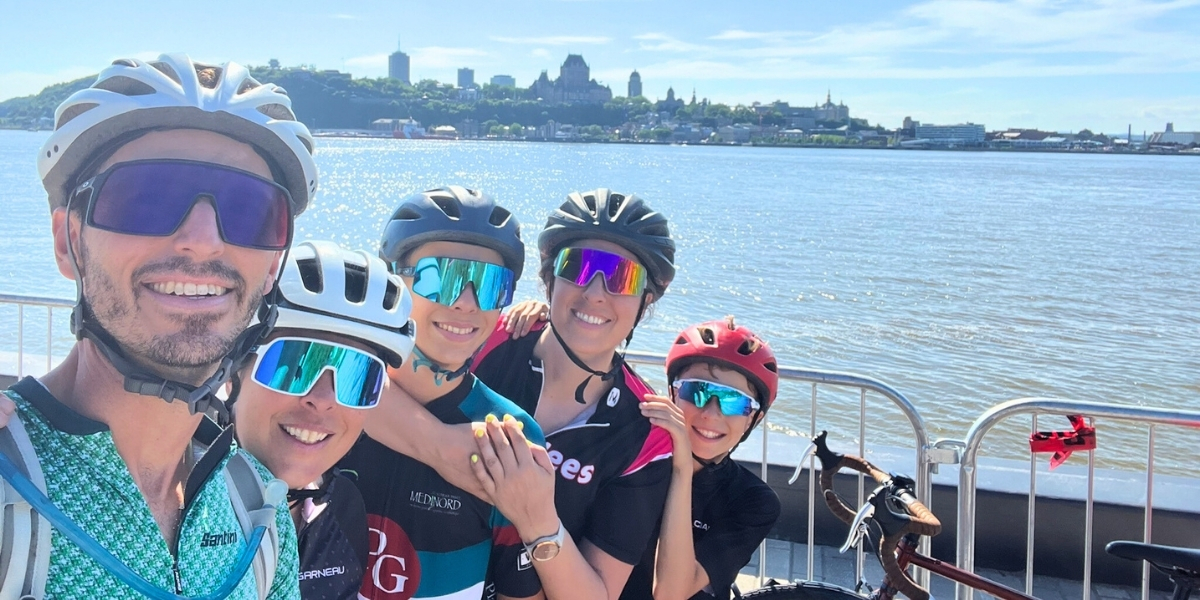
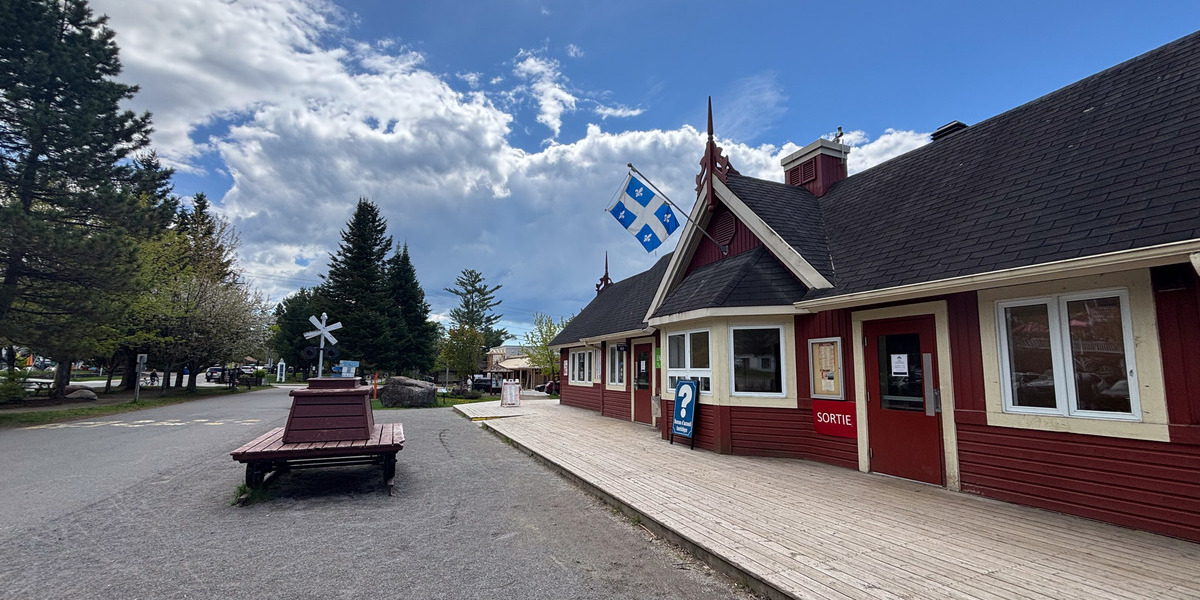
Just outside Québec City, the Indigenous-owned Hôtel-Musée Premières Nations in Wendake offers visitors a gateway to the history and culture of the Wendat peoples.
Visitors can explore exhibits at The Huron-Wendat Museum, which is dedicated to preserving and promoting the heritage of the Wendat Nation and features information about history, culture and arts of the Wendat and their relationship with other First Nations.
Guided tours are available of both permanent and temporary exhibits and the Ekionkiestha’ National Longhouse.
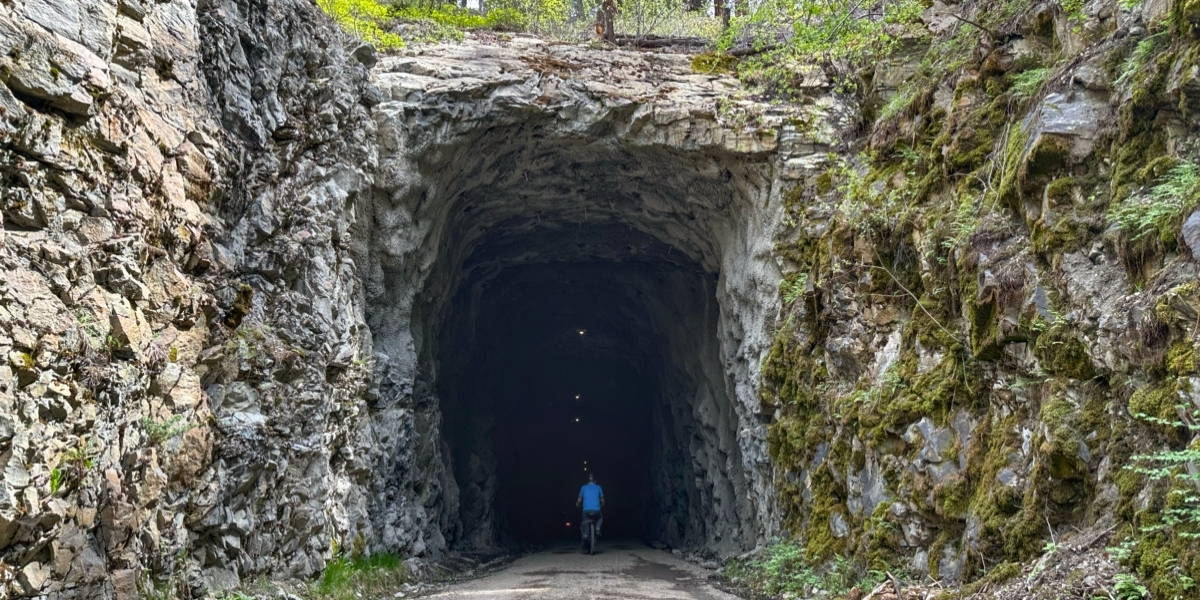
Trail section: Le Corridor des Cheminots, Quebec
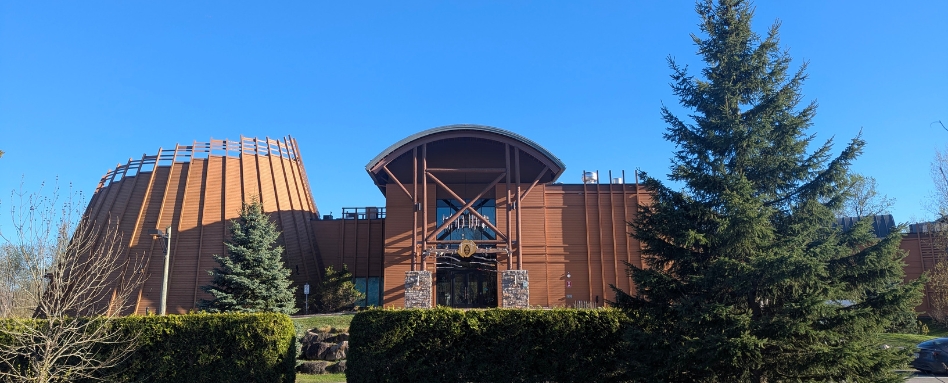
Photo credit: Bich-Anh Nguyen
East Blow Me Down Trail
Stretching along Newfoundland’s west coast, the East Blow Me Down Trail is located in the Elmastukwek First Nation community. This wilderness trail offers sweeping views of the Bay of Islands.
Blow Me Down Mountain is one of four Ophiolite Massifs, which emerged approximately 475 million years ago during the closing of the Iapetus Ocean, the precursor of the Atlantic Ocean, caused by plate tectonics.
Indigenous-owned Everoutdoor Adventures offers guides hikes of the Trail, along with other outdoor adventures on land and water. The trail is part of the Cabox Aspiring Geopark.
Trail section: East Blow Me Down Trail, Newfoundland and Labrador
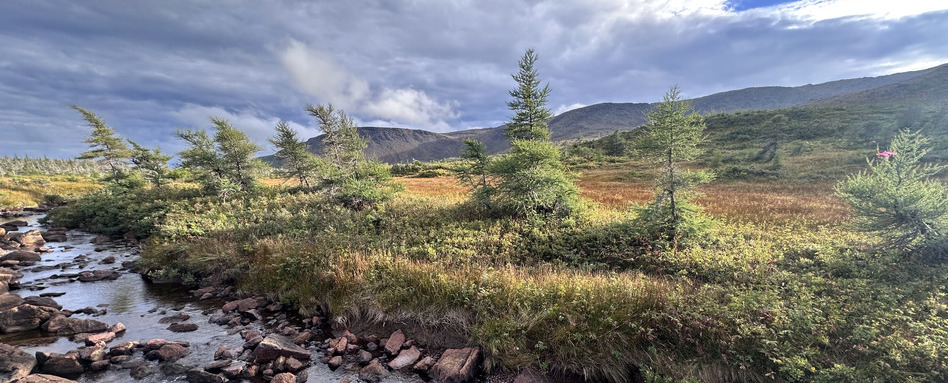
Photo credit: International Appalachian Trail Newfoundland and Labrador
Learn more about Trans Canada Trail’s commitment to reconciliation.
Learn more about Truth and Reconciliation across Canada, and find resources about Indigenous history.
Main photo credit: Destination Canada, Jay R. Mcdonald